
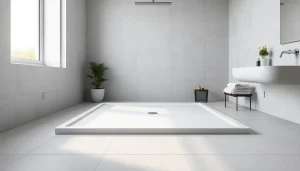
Understanding Shower Base Types
The shower base serves as the foundation of your shower, impacting both its practicality and aesthetics. In selecting the right shower base, understanding the various types is key. This article delves into the materials, shapes, and sizes of shower bases, along with crucial tips on choosing the one that suits your space best.
Common Materials Used for Shower Bases
The material of your shower base significantly influences durability, maintenance, and cost. Each option has its unique set of benefits:
- Acrylic: Lightweight and easy to install, acrylic shower bases are a popular choice. They resist mold and mildew well but may scratch more easily than other materials.
- Fiberglass: This is another lightweight option, known for its affordability. Fiberglass bases can flex underfoot, providing comfort, but they may be prone to stains over time.
- Ceramic Tile: Offering versatility in design, ceramic tiles allow for a fully customizable look. However, they can be difficult to clean and more susceptible to cracking if not installed properly.
- Stone or Natural Stone: Stone bases are luxurious and durable, adding a natural aesthetic to the shower. However, they require regular sealing and maintenance to prevent stains and damage.
- Concrete: For a modern industrial look, concrete is an option that can be molded into various shapes. It’s long-lasting but can be cold and hard underfoot.
Advantages of Different Shapes and Sizes
Shower bases come in various shapes – rectangular, square, and even circular – each suited to different bathroom designs. For instance:
- Rectangular Shapes: Ideal for larger bathrooms, they offer ample floor space and can accommodate two showerheads.
- Square Shapes: This shape is perfect for small spaces, providing a compact option without sacrificing functionality.
- Curbless Designs: Growing in popularity, these allow for seamless entry and exit, making them a fantastic choice for accessibility.
Choosing the right shape also affects drainage and water management, which are crucial for maintaining a dry bathroom environment.
How to Choose the Right Type for Your Space
When selecting a shower base, consider the following factors:
- Bathroom Size: Assess your available space to determine what shapes and sizes will work. Measure carefully to ensure a perfect fit.
- Style Preferences: Consider your overall design aesthetic. Choose a base that complements your bathroom decor, whether modern, traditional, or minimalistic.
- Budget: Shower bases come in a range of price points, so decide how much you’re willing to invest, keeping in mind the potential for long-term durability.
- Maintenance Needs: Evaluate how much time and effort you’re willing to invest in cleaning and maintaining the base based on its material.
Installation Considerations for Shower Bases
Installing a shower base correctly is crucial for function and longevity. Here’s what to consider during the installation process:
Preparing the Bathroom for Installation
Before installation, preparation is essential. Ensure that the plumbing is in place and that the area is clean and unobstructed. Consider the following steps:
- Check for any necessary permits, especially for plumbing modifications.
- Ensure all tools and materials are at hand, including the shower base, mortar, and waterproofing membranes.
- Repair any damage to the flooring or walls in the shower area to create a stable foundation for the base.
Common Installation Challenges
Even with preparation, challenges can arise during installation. Some common challenges include:
- Uneven Floors: An uneven subfloor can lead to water pooling. Use leveling compounds if necessary.
- Poor Drainage: Ensure the base is sloped correctly towards the drain to avoid water accumulation.
- Compatibility with Plumbing: Double-check that the base fits with existing plumbing to prevent leaks.
Hiring a Professional vs. DIY Installation
Deciding whether to install the shower base yourself or to hire a professional relies heavily on your comfort with DIY projects. While saving money is a benefit of DIY, the potential for mistakes can lead to extra costs. Here’s a brief comparison:
- DIY Installation: Suitable for those with experience and confidence. Ensure you follow manufacturer instructions precisely.
- Professional Installation: A safer option for complex installations, reducing the risk of costly errors and ensuring compliance with local building codes.
Maintaining Your Shower Base
Proper maintenance can significantly extend the lifespan of your shower base. A few simple steps can prevent damage and ensure cleanliness:
Cleaning Tips for Longevity
Regular cleaning is essential to maintain the appearance and functionality of your shower base. Here are effective cleaning tips:
- Use warm water mixed with mild detergents for routine cleaning.
- Avoid abrasive cleaners, as they can scratch the surface and lead to premature wear.
- For tough stains, a paste made from baking soda and water can be effective without causing damage.
Preventing Damage and Wear
Taking precautionary measures can significantly reduce wear:
- Always wipe down the surfaces after each use to prevent soap scum and mildew buildup.
- Inspect the base regularly for cracks or chips, addressing any issues immediately to avoid further damage.
- Place a non-slip mat inside the shower to prevent slips, which can lead to accidental damage.
Recognizing When to Replace
Knowing when to replace your shower base is crucial for maintaining a safe and sanitary environment:
- Look for signs of cracking, discoloration, or water damage.
- If the base feels unstable or flexes unnaturally underfoot, it may be time for a replacement.
- Consider the age of your shower base; if it’s nearing the end of its expected lifespan (10-20 years), it might be worth replacing even if visible damage isn’t present.
Design Trends for Modern Shower Bases
As bathroom design evolves, so do shower bases. Here are some current trends in shower base design:
Stylish Features and Finishes
Modern installations often feature sleek designs and finishes that elevate aesthetics:
- Textured Surfaces: These add grip and a contemporary appeal, making shower bases safer and more stylish.
- Integrated Drainage Systems: Seamless aesthetics with no external drains help create a clean, unobstructed look.
- Color Options: Developers are experimenting with colors beyond white, allowing for more creative design possibilities.
Integrating Shower Bases into Spa-Like Experiences
Many are opting for spa-like bathrooms that prioritize relaxation and luxury. Key elements include:
- Curbless Designs: Providing easy access and a feeling of openness, enhancing the spa atmosphere.
- Natural Materials: Incorporating wood and stone elements can create a tranquil environment that evokes nature.
- Ambient Lighting: Well-placed lighting can highlight the features of your shower base, turning it into a design focal point.
Space-Saving Designs for Small Bathrooms
For compact spaces, efficient designs can maximize usability:
- Wall-Mounted Fixtures: Optimize shower space by using wall-mounted faucets and shelves.
- Shower-Bath Combos: These multifaceted designs save space while providing both a shower and a bath.
- Angular Bases: Custom shapes can fit into corners, turning awkward spaces into functional showers.
Frequently Asked Questions About Shower Bases
What materials are best for shower bases?
Common materials include acrylic, fiberglass, and ceramic, each with unique benefits. Consider durability and maintenance requirements when choosing.
How do I clean my shower base effectively?
Use a mild detergent with warm water for regular cleaning. Avoid harsh chemicals that can damage the surface and finish.
Can I install a shower base myself?
Yes, but it’s important to have the right tools and skills. Many choose professionals to ensure proper installation and avoid costly mistakes.
How long does a shower base last?
With proper care, a good-quality shower base can last for 10 to 20 years, depending on usage and maintenance habits.
What are the most popular shower base designs?
Current trends favor minimalist and sleek designs, including curbless styles for easy accessibility and modern aesthetics.