Understanding Image to Prompt Generators
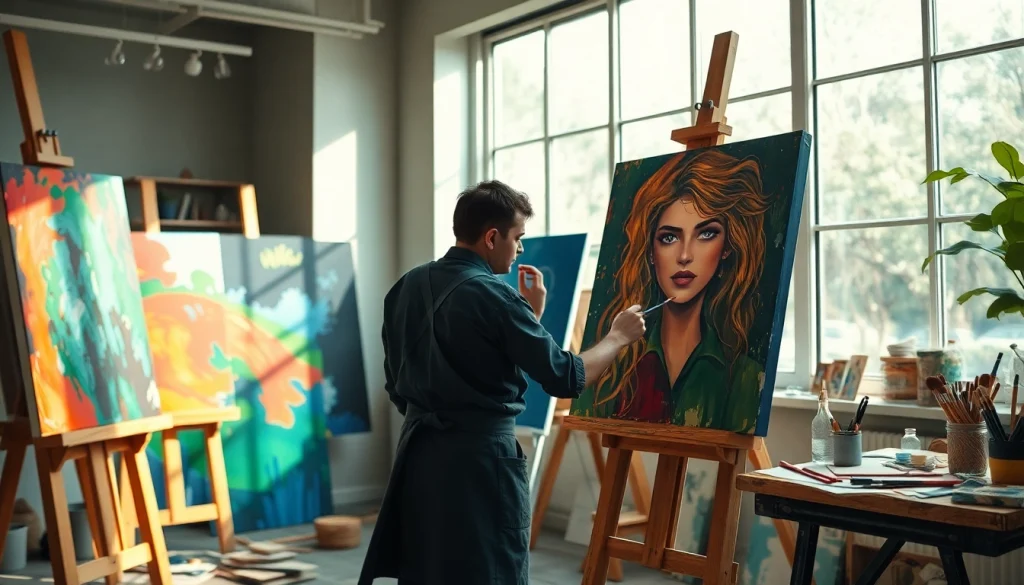
In today’s digital landscape, the ability to transform visual content into descriptive text is more valuable than ever. Artists, designers, and content creators are increasingly relying on image to prompt generators to enhance their creative processes. These tools not only simplify the process of generating prompts for AI image generation but also allow creators to express their visions more accurately and effectively. As we dive deeper into this innovative technology, we will explore its workings, advantages, and broader implications for creative industries.
What is an Image to Prompt Tool?
An Image to Prompt generator is an advanced AI-driven tool that analyses images and converts them into detailed text prompts. These prompts serve as instructions for AI image generators, enabling them to recreate or modify images based on the nuanced descriptions derived from the original visual input. It employs sophisticated algorithms that consider various visual elements—such as subjects, style, lighting, and composition—to translate them into structured natural-language prompts. This capability not only democratizes creativity but also streamlines the workflow for artists and designers who rely on AI-generated content.
How Image to Prompt Technology Works
Under the hood, an Image to Prompt generator utilizes a combination of computer vision and natural language processing (NLP) technologies. When an image is uploaded, the tool’s AI evaluates the visual details through image recognition techniques, identifying key components such as colors, objects, and scene context. Subsequently, it generates a descriptive prompt that encapsulates these elements in a way that AI models can comprehend.
For example, if you upload a photo of a tranquil beach at sunset, the tool might produce a prompt like, “A serene beach scene at sunset, with soft waves gently lapping at the shore, golden hues reflecting off the water, palm trees swaying in the gentle breeze, creating a tranquil atmosphere.” Such detailed prompts enhance the quality of AI-generated images by providing clearer instructions related to the desired aesthetic and context.
Benefits of Using Image to Prompt for Artists
- Enhanced Creative Freedom: Artists can quickly generate prompts that help them experiment with different styles and concepts, fostering innovation.
- Improved Workflow Efficiency: By streamlining the prompt creation process, artists can focus more on the creative aspects of their projects rather than getting bogged down in writing descriptions.
- Accessibility: This technology makes it easier for inexperienced users to create compelling visual content, bridging the gap between skill levels.
- Versatility: With compatibility across multiple AI platforms—such as Midjourney, DALL·E, and Stable Diffusion—artists can use generated prompts across various tools without restrictions.
How to Use the Image to Prompt Generator
Using an Image to Prompt generator is a straightforward process designed to ensure that any user, regardless of skill level, can create effective prompts quickly. Here, we outline the simple steps to get started with this powerful tool.
Simple Steps to Generate Prompts
- Upload or select the image you want to analyze.
- Click on the “Generate Prompt” button.
- Wait a few seconds for the AI to analyze the image and generate the corresponding prompt.
- Copy the generated prompt or refine it further according to your needs.
These steps ensure a seamless user experience, enabling creators to obtain prompts that are both relevant and precise.
Tips for Optimizing Your Image Input
To maximize the effectiveness of the image-to-prompt conversion process, consider the following tips when preparing your images:
- High Resolution: Use high-resolution images for better detail recognition.
- Clear Subjects: Ensure that the main subjects are prominent and well-defined in the image.
- Avoid Clutter: Keep the background simple to help the AI focus on the key elements you want to highlight.
Refining Generated Prompts for Better Results
After receiving the generated prompt, you might find it beneficial to refine it further. This can include adjusting the wording, adding specific styles or concepts, or concentrating on particular aspects that resonate with your vision. By doing so, you create a more tailored prompt that meets your expectations and aligns with your creative goals.
Exploring Prompt Types and Their Applications
Image-to-prompt technology is not just about generating random descriptions; it offers various formats that serve distinct purposes. Understanding these different prompt types can significantly enhance the quality of AI-generated images.
General Descriptive Prompts vs. Structured Prompts
General descriptive prompts provide a broad overview of the image, while structured prompts break down specific elements into categories. For instance, a general prompt might describe an “urban landscape at sunset,” whereas a structured prompt could specify “subject: city skyline; environment: sunset; style: modern; mood: vibrant.” This structured format can be particularly useful when aiming for consistency across multiple generated images.
Model-Specific Prompts for AI Generators
Different AI image generators have unique requirements and styles. Image to Prompt generators can produce model-specific prompts that align with these preferences, ensuring compatibility and effectiveness. For example, prompts tailored for Midjourney may emphasize stylistic elements, while those for Stable Diffusion might focus more on realism. Understanding these nuances can enhance the quality of your generated content.
Case Studies: Successful Prompt Utilizations
To illustrate the efficacy of image-to-prompt technology, let’s look at a few case studies:
- A Digital Artist’s Journey: An artist used the tool to generate prompts for a series of fantasy illustrations, leading to a cohesive body of work that showcased vibrant landscapes and imaginative creatures.
- A Marketing Campaign: A team leveraging AI to create visual content for social media utilized image-to-prompt technology to generate a series of high-quality images that aligned perfectly with their brand messaging.
Common Challenges and How to Overcome Them
While the benefits of image-to-prompt generators are substantial, users may encounter challenges in their workflow. Understanding these issues and knowing how to address them can enhance the overall experience.
Identifying Misconceptions about Image to Prompt Tools
One common misconception is that AI-generated prompts are always accurate or relevant. While the technology has advanced significantly, users should be prepared to refine prompts as needed to better align them with specific creative visions.
Dealing with Inconsistent Prompt Outputs
Users may occasionally receive inconsistent outputs depending on the complexity of the image. To mitigate this, consider uploading images that are straightforward and well-lit—this can significantly improve the quality of generated prompts.
Ensuring Compatibility with Various AI Models
It’s crucial to understand that not all prompts are universally compatible with every AI model. Users should familiarize themselves with the specifications and strengths of different platforms to ensure the generated prompts yield the desired results.
Future Trends in Image to Prompt Technology
The evolution of image-to-prompt technology is rapid, with new trends emerging every year. The following sections explore anticipated advancements and their implications for the future of creativity.
Emerging Developments for 2026 and Beyond
Looking ahead, we expect to see advancements in the ability of image-to-prompt tools to provide even more nuanced and context-aware prompts. As AI models become more sophisticated, the richness of generated prompts will likely improve, catering to an even wider array of creative needs.
Predictions for the Integration of AI in Creative Fields
As AI continues to integrate into various creative fields, we can anticipate a greater emphasis on collaboration between human creativity and AI capabilities. This evolution will enable artists to harness the power of AI-generated content while infusing their unique styles and perspectives.
How User Feedback Shapes Future Updates
User feedback will play a pivotal role in shaping future developments of image-to-prompt technologies. As creators express their needs and experiences, developers can tailor updates and functionalities to better serve the artistic community, ensuring that tools remain relevant and effective.