
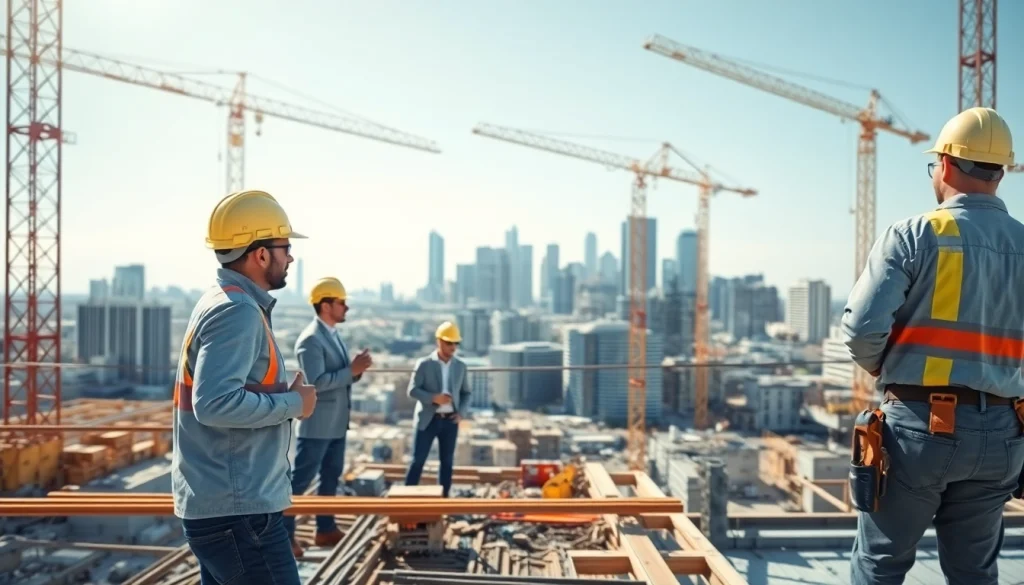
Understanding the Austin Construction Landscape
The Austin construction sector is vibrant and continually evolving, shaping not just the physical landscape of the city but also influencing the lifestyle of its residents. As Austin continues to experience rapid growth, understanding the trends, challenges, and sustainable practices in construction is paramount for stakeholders at every level—from developers to homeowners.
Overview of Austin Construction Trends
Austin is known for its unique culture and rapid residential and commercial growth driven by factors such as a booming tech industry and an influx of young professionals and families. This trend has significantly affected construction methods, styles, and materials. A noteworthy trend in the Austin construction scene is the increased demand for multi-use developments—spaces that combine residential, commercial, and leisure facilities into cohesive units. Such developments aim to enhance community living while maximizing urban space.
Moreover, the architectural style in Austin reflects a blend of modern design with traditional Texan influences. Sustainable and eco-friendly construction has become an integral part of new builds, with many builders incorporating innovative technologies to reduce energy consumption and environmental impact.
Key Challenges Faced in Urban Development
Despite its growth, the Austin construction industry grapples with several challenges. Among these challenges is the strain on infrastructure due to rising population numbers. The rapidly constructed residential units have led to increased pressure on the city’s transportation and utility systems, highlighting the need for comprehensive urban planning.
Regulatory challenges also play a significant role, with evolving zoning laws and building codes requiring developers to stay abreast of numerous regulations. Navigating these regulations can be time-consuming, and often, a lack of clarity can delay projects. Additionally, labor shortages within the construction sector pose challenges, leading to increased costs and project timelines.
Importance of Sustainable Practices
As the impacts of climate change become increasingly apparent, sustainable practices in construction are not merely a trend but a necessity. In Austin, builders are increasingly adopting green building certifications, such as LEED (Leadership in Energy and Environmental Design), signifying their commitment to sustainable methodologies.
From using renewable resources to implementing energy-efficient practices in design and construction, sustainability plays a critical role in the future of Austin’s construction landscape. Innovations such as rainwater harvesting systems, solar panels, and energy-efficient HVAC systems are becoming standard in new developments, ultimately benefiting both the environment and residents’ energy bills.
Planning Your Austin Construction Project
Essential Steps for Project Planning
Successful construction projects require meticulous planning. The first step is defining the project scope—what you want to build and why. This includes having a clear vision along with practical goals and timelines. Next, conducting thorough market research helps establish the demand for the proposed project and informs subsequent financial planning.
Additionally, development assessments, including environmental, social, and economic impacts, should take place early on. Engaging stakeholders, such as local government, community groups, and potential customers, is also crucial to gather insights that could shape the project positively.
Choosing the Right Team for Success
Your construction project’s success heavily depends on the team you assemble. Selecting a reliable contractor with experience in similar projects is vital. Be sure to check credentials, reputation, and past work to ensure that the contractor can meet the specific requirements of your project.
Furthermore, building a collaborative environment with architects, engineers, contractors, and consultants fosters greater innovation and efficiency. Regular communication with all team members throughout the project can help address issues promptly and keep the project on schedule.
Budgeting and Financial Considerations
Creating a comprehensive budget is crucial in construction. This process begins with estimating costs for materials, labor, permits, and additional expenses like insurance and contingencies for unexpected challenges. It is wise to consult with financial experts or accountants familiar with construction budgeting to ensure all elements are accounted for accurately.
Financing options can vary significantly, from traditional bank loans to crowdfunding or investment partnerships. Each option has its pros and cons, so it’s crucial to evaluate these based on your specific financial situation and project needs.
Construction Techniques in Austin
Popular Construction Methods Used Today
Several construction techniques are prevalent in Austin, reflecting both technological advancements and architectural trends. Modular construction, for instance, is gaining momentum with its efficiency and reduced waste. In this method, sections of the building are pre-fabricated off-site and then assembled on-site, significantly cutting down construction time and costs.
Another popular technique is using sustainable materials such as bamboo, recycled steel, and reclaimed wood. These materials not only reduce the environmental impact of the project but can also enhance the aesthetic appeal of the construction.
The Role of Technology in Modern Construction
Technology plays a transformative role in modern construction. Building Information Modeling (BIM) has revolutionized how organizations plan and implement construction projects, allowing for 3D modeling that enhances collaboration among all stakeholders. This technology simplifies identifying conflicts in the design phase and optimizes resource allocation.
Additionally, advancements in project management tools and software facilitate tracking progress, monitoring budgets, and ensuring project timelines are adhered to efficiently. Drones are also being increasingly utilized for site surveying and monitoring, offering real-time data that aid in decision-making.
Safety Standards and Regulations
Safety is paramount in construction, governed by thorough regulations and standards. In Austin, all construction projects must comply with OSHA (Occupational Safety and Health Administration) regulations, which encompass various safety measures to safeguard workers on site. Implementing strict safety protocols, conducting regular training, and ensuring proper gear is worn can substantially reduce the risk of accidents and injuries.
Ensuring compliance with state and local regulations is also essential; this covers obtaining proper permits and adhering to construction laws that vary by district. Regular safety audits and inspections can ensure compliance and highlight areas for improvement.
Marketing Your Austin Construction Services
Creating a Strong Brand Presence
To thrive in the competitive Austin construction market, establishing a strong brand presence is essential. A well-defined brand encapsulates your mission, values, and services, resonating with potential clients. Utilizing effective branding strategies can significantly enhance visibility, creating a trustworthy reputation in the community.
Developing professional marketing materials, such as brochures, business cards, and a user-friendly website optimized for SEO, helps to portray professionalism. Client testimonials and case studies showcasing your best work can further bolster your credibility and appeal to new clients.
Utilizing Digital Marketing Strategies
Today’s marketing landscape demands a strong digital presence. Content marketing, utilizing blogs, social media engagement, and email newsletters, helps position your company as an industry expert while keeping potential clients informed and engaged. Implementing strategies such as search engine optimization (SEO) ensures that your services are easily found by prospective clients searching for construction services in Austin.
Pay-Per-Click (PPC) advertising can also drive targeted traffic to your website, especially for new companies looking to establish themselves quickly. Social media channels, whether Facebook, Instagram, or LinkedIn, can serve as platforms to showcase completed projects and engage with the community.
Networking and Building Client Relationships
Building relationships is vital in the construction industry. Networking with real estate professionals, local businesses, and community leaders can lead to valuable partnerships and referrals. Attending industry events, trade shows, and local meetups can broaden your network and expose your services to potential clients.
Furthermore, nurturing relationships with past clients can lead to repeat business and referrals. Regular check-ins, follow-ups post-project completion, and loyalty programs can keep your company top-of-mind for future projects.
Measuring Success in Austin Construction
Key Performance Indicators in Construction Projects
In any construction endeavor, measuring success involves tracking various key performance indicators (KPIs). These KPIs may include project completion time, budget adherence, quality of work, and customer satisfaction. Regularly monitoring these metrics can provide insights into what works well and areas requiring improvement.
Establishing a baseline for these KPIs at the beginning of the project allows for clearer comparisons later on. Construction managers should routinely review performance against these benchmarks and make adjustments as necessary to enhance overall project efficiency.
Client Feedback and Quality Assurance
Gathering client feedback is crucial for continuous improvement within the construction industry. Solicit feedback through surveys or direct communication upon project completion to understand clients’ satisfaction levels. This information can guide adjustments in service delivery and help identify strengths and weaknesses in the overall business model.
Implementing a robust quality assurance program can also help maintain high standards throughout the project lifecycle. Regular inspections, ensuring adherence to specifications, and thorough documentation can mitigate issues before they escalate.
Adapting to Market Changes
The construction industry is constantly evolving, with market fluctuations and emerging trends impacting practices and strategies. To remain competitive, businesses must stay informed about changes and new innovations. Engaging in ongoing education through courses, workshops, and industry publications can enhance skill sets and knowledge.
Regularly assessing market needs and adjusting offerings accordingly can prepare businesses to capitalize on opportunities. Develop agile planning processes that allow teams to pivot swiftly in response to market dynamics and client demands.