
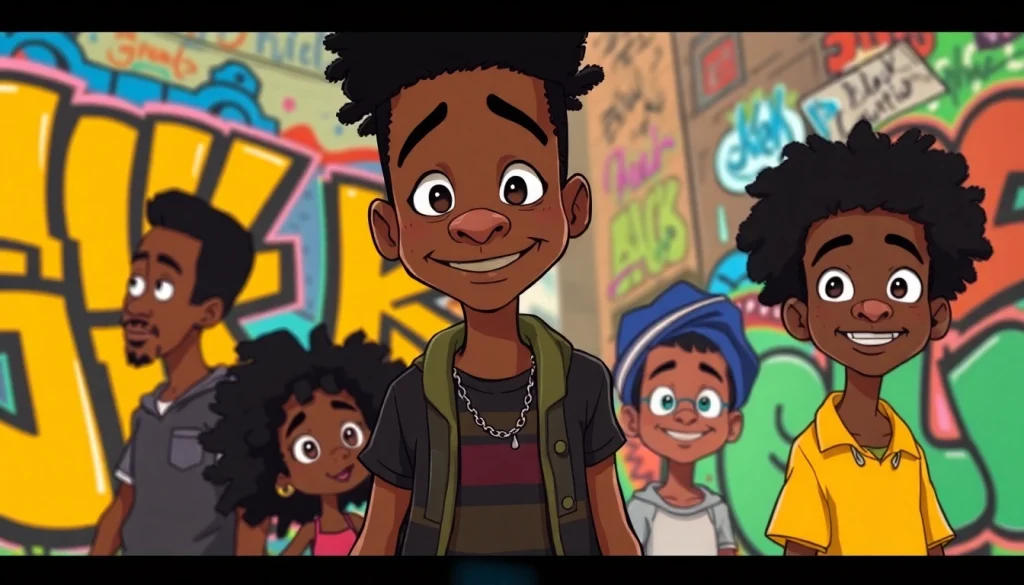
The Historical Context of African American Cartoons
Understanding the rich landscape of African American Cartoons requires a journey through history, where animation has served as both entertainment and a medium for social commentary. From their origins, African American cartoons have reflected cultural narratives and societal changes, evolving alongside the African American experience in the United States.
1. Origins and Evolution of Black Animation
Black animation has its roots tracing back to the early 20th century when animated characters began to emerge in both cinema and print. While some early depictions were rife with stereotypes, African American artists gradually began to reclaim the medium. One of the earliest instances was the character of “Sambo,” which perpetuated harmful racial tropes. Yet, this also sparked the motivation for African American artists to create authentic and relatable characters that resonate with their cultural identities.
In the late 1960s and early 1970s, the emergence of shows like “Fat Albert and the Cosby Kids” challenged the status quo. Created by Bill Cosby, it featured relatable stories of inner-city youth and taught valuable life lessons. This pivotal show marked a significant shift in how African Americans were portrayed in animation, moving from stereotypes to multidimensional characters with real-life struggles.
2. Impact of the Civil Rights Movement on Cartoons
The Civil Rights Movement had a profound influence on the content and themes of African American cartoons. Animators and creators began to address issues of race, equality, and justice within their storytelling. Shows started to feature characters involved in social activism, mirroring the realities of the struggles for civil rights. This cultural shift not only provided representation but also educated audiences about the significance of these movements.
3. Notable Early Figures in African American Animation
Several pioneering figures have shaped the landscape of African American animation. Artists like John and Faith Hubley, who created animated shorts with poignant narratives on race relations, laid the groundwork for future creators. Another key figure, Bruce Smith, worked on several major animation projects, including “The Proud Family,” which became a cultural touchstone for many African American families.
Iconic African American Cartoon Characters
Character representation goes beyond mere visuals; it encompasses personality, complexity, and cultural significance. Some characters have not only entertained but have become symbols of social change and cultural pride.
1. Celebrated Characters and Their Contributions
Characters such as Huey and Riley Freeman from “The Boondocks” provide sharp social commentary on contemporary issues affecting the African American community. These characters highlight the complexities of identity, race, and culture, resonating with both young and adult audiences. Likewise, Frozone from Pixar’s “The Incredibles” brought visibility to Black superheroes, showcasing a different aspect of representation in animation.
2. Gender Representation in African American Cartoons
Gender representation in African American cartoons has evolved considerably. Characters like Penny Proud from “The Proud Family” and Kida Nedakh from “Atlantis: The Lost Empire” show the importance of strong female leads. They challenge traditional gender roles while providing young girls with relatable figures who possess strength, intelligence, and depth.
3. Characters That Resonate Across Generations
Several characters have transcended time, remaining beloved by audiences across generations. The charm and relatable experiences of characters like the Peanuts comic strip’s Franklin, and the warmth brought by characters from “Doc McStuffins” continue to inspire young viewers. Their stories reflect values of empathy, connection, and resilience, which are essential across cultures.
Modern African American Cartoons: Innovations and Trends
Today, African American cartoons are more diverse than ever, showcasing a variety of stories and artistic styles. This evolution reflects broader societal changes and the increasing demand for representation in animation.
1. New Generations of Black Animation Creators
The animation industry has seen a surge of new Black creators and directors who bring fresh voices and perspectives. Shows like “Craig of the Creek” and “Black Panther: Animated Series” are products of this creative renaissance, staying true to cultural roots while pushing storytelling boundaries. These creators are not just contributing to the animation landscape but are also reshaping the narratives within it.
2. Trends in Storytelling and Representation
Modern African American cartoons are increasingly focusing on themes of identity, mental health, and community. They address contemporary social issues, engaging younger audiences in meaningful dialogues. This trend reflects a cultural shift where representation is not just about visibility but also about authenticity and depth in storytelling.
3. The Role of Technology in Animation
Advancements in technology have transformed how African American cartoons are produced and distributed. The rise of streaming platforms has offered Black creators opportunities to showcase their work without the historical constraints of traditional media. Platforms like YouTube and Netflix provide exposure for innovative content that tells stories from the African American perspective.
Recommendations: Must-Watch African American Cartoons
As we navigate through the current landscape of African American cartoons, there are several noteworthy titles that deserve a spot on your watchlist in 2026. These selections reflect both cultural significance and entertainment value.
1. Top Titles to Add to Your Watch List in 2026
- The Proud Family: Louder and Prouder – A reboot of the original series that continues to explore themes of race and culture.
- Big Mouth – While not exclusively African American, it features important characters and voices that discuss adolescence through a cultural lens.
- Craig of the Creek – A coming-of-age tale centered around friendship and adventure that resonates with children today.
2. Lesser-Known Gems Worth Discovering
- Motown Magic – An animated series that introduces musical elements and celebrates the legacy of Motown.
- Doc McStuffins – A series that promotes empathy and care, focused on a young Black girl aspiring to be a doctor.
- Black Panther: The Animated Series – A stunning adaptation of the iconic superhero story that emphasizes cultural pride.
3. Educational Cartoons Promoting Cultural Awareness
- Sesame Street – Continues to be a groundbreaking series for diversity, featuring characters from various backgrounds.
- Little Bill – An educational show that highlights the everyday experiences of a young African American boy.
- Liberty’s Kids – While not exclusively focused on African American history, it touches on crucial events that include diverse perspectives.
Future of African American Cartoons
The future of African American cartoons looks promising with ongoing trends toward inclusivity and representation. As we gaze into 2026 and beyond, certain developments are poised to shape the trajectory of this vibrant medium.
1. Predictions for Evolving Themes and Styles
We can anticipate that future African American cartoons will delve even deeper into complex themes such as intersectionality, family dynamics, and mental health. By exploring these themes through innovative storytelling methods, creators can further enrich the experiences of their audiences.
2. The Importance of Representation in Children’s Media
Access to diverse media representation remains crucial for children’s development. African American cartoons will continue to play a vital role in shaping young minds by providing relatable characters and stories that reflect their lives. This representation fosters a sense of belonging, pride, and understanding in children, which is invaluable.
3. How Audiences Can Influence Future Productions
Audiences hold significant power in the animation industry. By supporting shows that prioritize authentic representation and actively engaging with content, viewers can influence the types of stories being told. As social media platforms continue to grow, audience feedback can shape the production of future African American cartoons, ensuring varied and rich narratives for generations to come.