Understanding the Uyghurs Community
The Uyghurs Community is an ethnic group primarily found in the Xinjiang Uyghur Autonomous Region of China, where they form a significant part of the population. Rich in history, culture, and traditions, the Uyghurs have faced severe challenges in recent times, often making headlines for their struggles against oppressive policies. This article will explore the history, culture, challenges, and ways to support this vibrant community, ensuring that readers gain a comprehensive understanding of their plight and resilience.
History and Origins of the Uyghurs
The history of the Uyghurs can be traced back over a millennium, with origins that intertwine with various Turkic peoples. Emerging as a distinct group, the Uyghurs established the Uyghur Khaganate in the 8th century, which played a pivotal role in the cultural landscape of Central Asia. This community has a rich tapestry of influences, having been shaped by its interactions with Persian, Arabian, and Mongolian civilizations. Over centuries, they developed a unique culture characterized by their language, Islam, and customs.
The Uyghurs are primarily Muslim, adopting Islam in the 10th century, which became integral to their identity. The collapse of the Uyghur Khaganate eventually led to various migrations and the establishment of new social structures. By the Qing dynasty, the Linzhou region (modern-day Xinjiang) came under Chinese control, but the Uyghurs continued to maintain their cultural heritage. The significance of the Silk Road in their history cannot be overstated, as it facilitated trade, cultural exchange, and the spread of Islam.
Current Situation of the Uyghurs Community
The contemporary situation of the Uyghurs is dire, characterized by systemic repression. Reports indicate that over a million Uyghurs are detained in so-called re-education camps aimed at erasing their cultural identity and assimilating them into Han Chinese culture. This has sparked international condemnation and alarm, with allegations of human rights abuses such as forced labor, mass surveillance, and cultural repression.
Despite these oppressive conditions, the Uyghurs have demonstrated remarkable resilience. Many exiled voices have emerged, actively advocating for their community’s rights and raising awareness about their struggles on global platforms. This growing visibility has led to increased international scrutiny, putting pressure on the Chinese government to address these human rights violations.
The Cultural Heritage of the Uyghurs
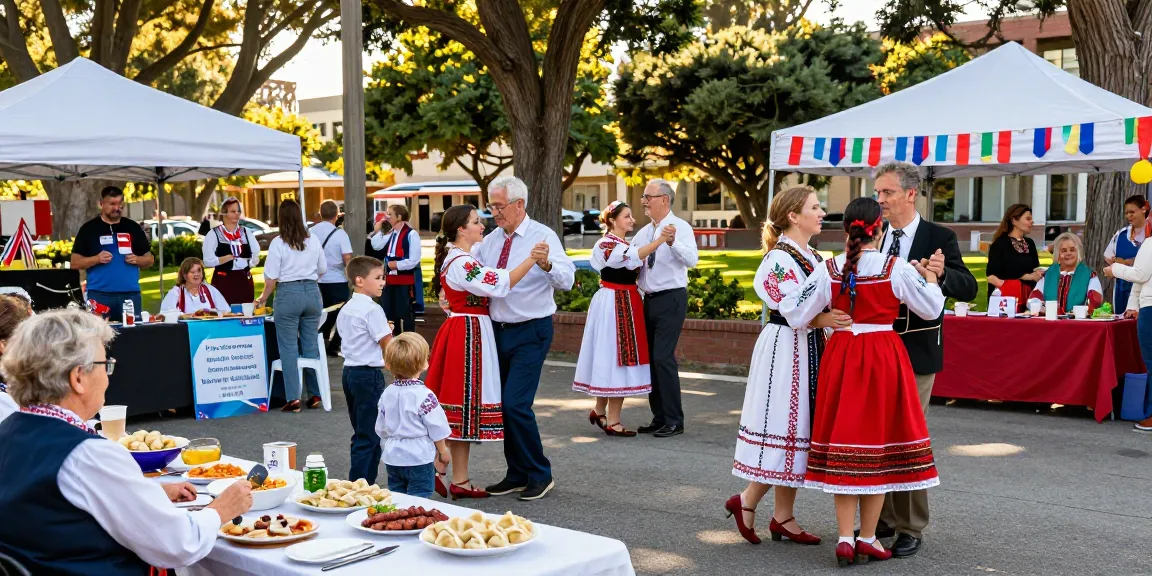
The cultural heritage of the Uyghurs is rich and diverse, deeply embedded in their way of life. Uyghur music, particularly the use of the dutar (a two-stringed lute), is central to their cultural expression, often accompanying dance and poetry. Their traditional clothing, characterized by vibrant colors and intricate embroidery, signifies their identity and heritage.
The Uyghurs also celebrate various festivals, with Eid al-Fitr and Nowruz (Persian New Year) being significant events that foster community cohesion. Their cuisine, known for its hearty flavors, features dishes such as pilaf (a rice dish with meat and vegetables), lamb kebabs, and the famous Uyghur hand-pulled noodles. These elements not only support their cultural identity but also contribute to their communal ties and continued resilience against adversity.
Challenges Faced by the Uyghurs Community
Political and Social Struggles
The political landscape surrounding the Uyghurs is fraught with tension due to China’s strict policies aimed at limiting religious expression and promoting Han cultural dominance. Uyghurs are subjected to extensive surveillance, with reports detailing their communications being monitored and their movements tracked. This pervasive control has fostered a climate of fear, suppressing religious practices and social interactions.
Furthermore, instances of arbitrary detentions and mass incarcerations have severed familial ties and disrupted the social fabric of Uyghur communities. The psychological trauma resulting from these actions can have lasting effects on generations, contributing to a sense of hopelessness and despair among those affected.
Impact of Global Awareness on the Uyghurs
In recent years, global awareness regarding the plight of the Uyghurs has intensified. Activists and human rights organizations have amplified calls for accountability, emphasizing the ethical responsibility of nations to act. This global spotlight has led to various countries imposing sanctions on Chinese officials believed to be complicit in human rights abuses.
The impact is twofold; while increased awareness has garnered sympathy and support for the Uyghurs, it has also elicited retaliatory measures from the Chinese government, including propaganda campaigns aimed at discrediting claims of abuse. Nevertheless, heightened scrutiny has paved the way for potential policy changes and has inspired a wave of activism from individuals and organizations seeking to effect change.
Community Resilience and Advocacy
Despite the harsh conditions faced by the Uyghurs, their resilience shines through in various forms of advocacy. Many Uyghurs abroad engage in activism, educating the world about their history and culture, and highlighting the injustices faced by their people. Social media platforms have become vital tools for sharing personal stories and mobilizing support from sympathetic audiences.
Grassroots movements have arisen, with activists creating networks of information-sharing and collaboration. Organizations focused on human rights advocacy play a crucial role in providing resources and support for Uyghurs in exile, helping them navigate their new realities while staying connected to their cultural roots. Community solidarity remains a cornerstone of their resilience, fostering hope amidst adversity.
Supporting the Uyghurs Community
How to Engage and Educate
For individuals wishing to support the Uyghurs, education is the first step. Understanding the complexities of their situation through reliable sources and engaging in discussions can help foster empathy and awareness. Hosting or attending events that focus on Uyghur culture and the challenges they face are excellent for connecting with the community and advocating for change.
Additionally, sharing information through social media channels can amplify Uyghur voices, highlighting personal narratives that often go untold. Engaging local education systems to include Uyghur history in curricula can further build awareness among younger generations, instilling values of tolerance and compassion.
Key Organizations Supporting the Uyghurs
Several organizations are pivotal in advocating for the Uyghurs, providing resources and support for those affected by human rights violations. Groups such as the Uyghur Human Rights Project and held company Uyghur American Association work tirelessly to document abuses, support diaspora communities, and lobby for international intervention. Building partnerships with these organizations can enhance advocacy efforts and foster a stronger call for action.
Volunteering for or donating to these organizations is a direct way to support their mission, aiding in efforts ranging from legal assistance to public awareness campaigns. Collaborative initiatives that engage major stakeholders, including governments and international bodies, are essential in pushing for accountability and change.
Fundraising and Awareness Initiatives
Fundraising initiatives dedicated to the Uyghurs can significantly bolster advocacy efforts. Community-led events such as awareness walks, cultural exhibitions, or culinary festivals can engage the public while raising funds for specific projects aimed at supporting the Uyghurs.
Online fundraising platforms also provide an accessible way for people to contribute toward established projects or to set up their initiatives, channeling resources directly to those in need. Promoting these campaigns through social media can extend their reach, encouraging more individuals to participate and contribute.
Promoting Uyghurs Culture Globally
Cultural Exchange Programs
Cultural exchange programs serve as a bridge between the Uyghurs and the broader global community. These initiatives provide a platform for Uyghur artists, musicians, and scholars to showcase their talents, allowing for mutual understanding and appreciation. Collaborating with cultural institutions and universities can facilitate trips for Uyghur artists to share their work, fostering a deeper connection through personal interactions.
These programs not only benefit the Uyghurs by promoting their culture but also help dispel misinformation about their heritage. By sharing knowledge and experiences, participants can build enduring relationships that transcend borders and promote further awareness.
Leveraging Technology for Awareness
In the digital age, technology plays a pivotal role in raising awareness about the Uyghurs. Social media platforms enable individuals to share their stories and advocate for change with unprecedented reach. Leveraging these tools effectively can facilitate online campaigns that resonate with diverse audiences.
Creating engaging content, such as videos or podcasts that highlight Uyghur culture, challenges, and personal stories, can foster empathy and spur action. Online petitions and advocacy campaigns can mobilize support from all corners of the globe, amplifying the call for justice and recognition of the Uyghurs’ rights.
Artistic Expressions of the Uyghurs
Art serves as a profound means for the Uyghurs to express their identity and resilience. From music and dance to visual arts, these forms of expression convey their history, cultural significance, and the struggles they endure. Supporting Uyghur artists through exhibitions and partnerships can raise visibility for their plight while celebrating their unique cultural contributions.
Promoting cultural productions, whether through film, literature, or theater, can offer additional platforms to inform and engage wider audiences. These artistic expressions humanize the narrative surrounding the Uyghurs, breaking down barriers of misunderstanding and fostering a sense of solidarity with their community.
Frequently Asked Questions about the Uyghurs Community
What defines the Uyghurs Community?
The Uyghurs Community is characterized by its distinct Turkic culture, Islamic faith, and rich history rooted in Central Asia, particularly in Xinjiang, China.
How can I help the Uyghurs Community?
You can help by raising awareness, supporting organizations advocating for their rights, and participating in cultural events that celebrate their heritage.
What are the main challenges faced by the Uyghurs?
Main challenges include human rights abuses, suppression of cultural identity, and political oppression, particularly in China’s Xinjiang region.
What cultural practices are unique to the Uyghurs Community?
Unique practices include traditional music, dance, distinct culinary traditions, and celebrations like Eid al-Fitr and Nowruz that reflect their heritage.
How has global awareness impacted the Uyghurs Community?
Global awareness has amplified calls for action against human rights abuses, resulting in international scrutiny and some governments imposing sanctions on China.