
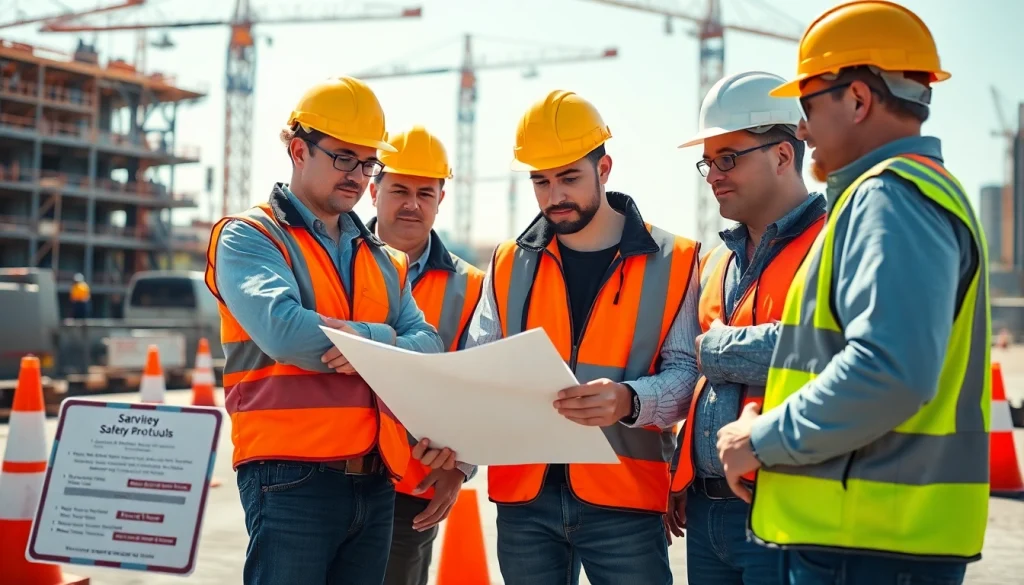
Understanding Construction Site Safety
Defining Construction Site Safety
Construction site safety encompasses all guidelines, procedures, and practices aimed at preventing accidents and injuries on construction sites. It involves identifying hazards, assessing risks, and implementing safety measures to protect workers, visitors, and the environment during all stages of construction. Effective construction site safety protocols are crucial for maintaining a hazard-free workplace.
Importance of Safety in Construction
Safety in construction is paramount because construction sites are inherently dangerous environments. The physical nature of construction work, combined with heavy machinery and various materials, creates opportunities for accidents. Ensuring safety not only protects workers from injuries and fatalities but also enhances productivity, reduces downtime, and lowers insurance costs. Moreover, a strong safety record can boost a company’s reputation and employee morale, fostering a culture of accountability and care.
Common Hazards on Construction Sites
Common hazards on construction sites include:
- Falls: The leading cause of construction-related injuries, often occurring from heights or due to uneven surfaces.
- Electrical Hazards: Contact with live wires, improper use of equipment, and exposed electrical components pose serious risks.
- Equipment-Related Injuries: Improper use of machinery and failure to follow safety guidelines can lead to serious accidents.
- Scaffolding Collapses: Unsafe scaffolding practices can result in significant falls.
- Noise-Induced Hearing Loss: Prolonged exposure to high noise levels from equipment can lead to irreversible hearing damage.
- Respiratory Hazards: Dust, fumes, and chemical exposures can affect respiratory health.
Key Safety Regulations and Standards
Overview of OSHA Regulations
The Occupational Safety and Health Administration (OSHA) establishes standards to ensure safe working conditions. OSHA’s regulations cover a wide range of construction activities, including fall protection, scaffolding, personal protective equipment (PPE), and hazard communication. Compliance with these regulations is not just a legal obligation but also a commitment to maintain a culture of safety. Companies that adhere to OSHA’s guidelines can significantly reduce workplace incidents and improve overall efficiency.
Local and State Safety Standards
In addition to OSHA regulations, local and state governments often implement additional safety standards tailored to specific industries and environments. These standards may address unique hazards associated with geography, local materials, or building types. Staying knowledgeable about these additional regulations ensures comprehensive safety compliance and minimizes risks associated with regional practices.
International Safety Protocols
When working on international projects, companies must be aware of various global safety standards, such as ISO 45001, which focuses on occupational health and safety management systems. These international protocols provide frameworks for organizations aiming to enhance worker safety through effective management practices. Understanding and integrating these standards helps organizations maintain compliance in diverse operational locations.
Best Practices for Enhancing Safety
Implementing Safety Training Programs
Regular safety training programs are critical in reinforcing safety standards and ensures that all employees are aware of potential hazards and safety procedures. Training should cover essential areas like emergency response, equipment operation, and hazard recognition. Incorporating hands-on training, workshops, and simulations enhances engagement and retention. Moreover, refresher courses should be scheduled periodically to keep safety practices top-of-mind.
Utilizing Safety Equipment Effectively
Effective use of personal protective equipment (PPE) is essential for minimizing risks. Workers should be provided with appropriate gear such as helmets, gloves, hearing protection, and respiratory devices, specifically suited to the tasks they perform. Regular inspections of safety equipment and mandatory usage protocols can further ensure that workers are protected effectively. Moreover, educating employees about the correct use and maintenance of their PPE enhances their protection against on-site hazards.
Conducting Regular Safety Audits
Conducting frequent safety audits helps identify hazards before they result in injury. These audits should involve comprehensive inspections of the site, equipment, and safety protocols. Regular reviews can identify gaps in safety practices, allowing organizations to implement corrective measures promptly. Effective communication of audit findings and subsequent actions fosters a proactive approach to safety, ensuring a continuous improvement cycle.
Technological Advances in Construction Safety
Role of Wearable Technology
Wearable technology has the potential to revolutionize construction site safety. Devices like smart helmets, vests with GPS tracking, and fatigue monitoring systems can provide real-time alerts for unsafe conditions. These technologies can monitor workers’ physiological data to prevent fatigue-related accidents and provide essential information on site conditions. As wearable technology continues to evolve, it enables a more proactive approach to worker safety.
Safety Management Software
Safety management software solutions streamline safety practices by offering features for incident reporting, safety audits, and compliance tracking. These platforms facilitate better communication between team members and management, ensuring everyone remains informed about safety protocols and regulations. Implementing this technology helps organizations maintain a continuous loop of feedback and swiftly address any identified safety issues.
Drone Surveillance on Sites
Drones are increasingly being utilized for construction site monitoring, providing an unparalleled aerial view of the operations. They can identify potential hazards, monitor worker behavior, and assess compliance with safety standards in real time. By leveraging drone technology, organizations can gather critical data for informed decision-making regarding safety improvements and risk management.
Frequently Asked Questions about Construction Site Safety
What are the key components of construction site safety?
Key components include hazard identification, risk assessment, safety training, effective use of PPE, and compliance with safety regulations.
How often should safety training be conducted?
Safety training should be conducted regularly, with refresher courses at least once a year or more frequently depending on site conditions and tasks.
What personal protective equipment is essential?
Essential PPE includes helmets, gloves, safety glasses, respiratory protection, and high-visibility clothing, tailored to specific tasks and hazards.
How to report safety incidents effectively?
To report safety incidents, use a structured process that includes immediate notification to supervisors, documentation of the incident, and conducting a thorough investigation.
What are the consequences of neglecting site safety?
Neglecting site safety can lead to severe injuries, fatalities, legal penalties, and financial losses, including increased insurance premiums and litigation costs.