
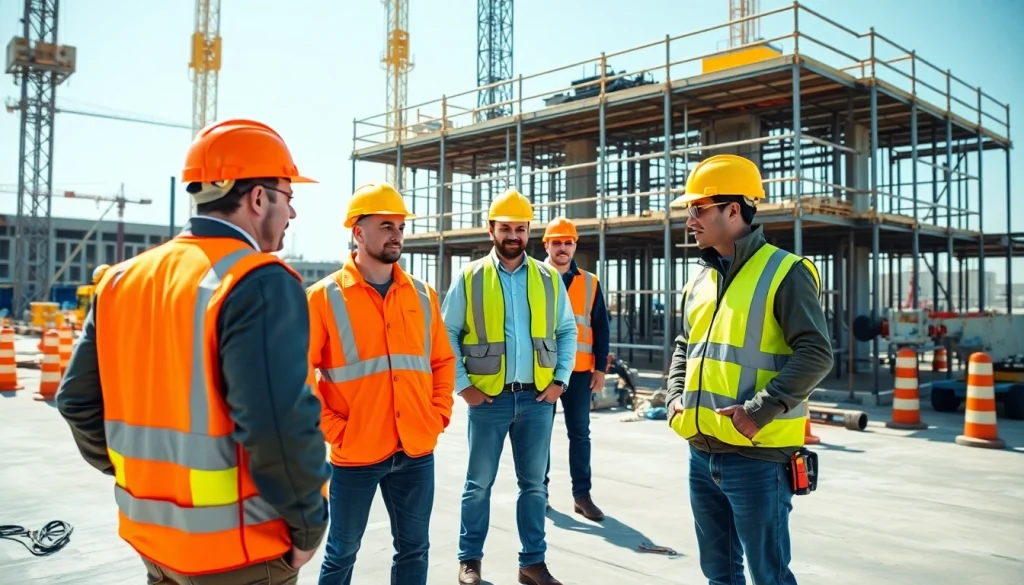
Understanding the Importance of Construction Site Safety
Defining Construction Site Safety
Construction site safety encompasses a wide range of practices and regulations designed to ensure the health and safety of workers at construction sites. It revolves around the identification, assessment, and mitigation of hazards that could potentially cause harm, utilizing proactive measures to create a secure environment. This field is not only about compliance with legal standards; it is a culture that emphasizes the importance of worker well-being, loss prevention, and operational efficiency. By fostering a rigorous framework around construction site safety, companies can enhance productivity and reduce the risk of accidents significantly.
Key Statistics on Workplace Injuries
The construction industry is known as one of the most hazardous sectors, with a significant percentage of workplace fatalities occurring on construction sites. According to data from various safety organizations, nearly one in five worker deaths in the U.S. occurs in the construction sector. Common incidents include falls, being struck by moving objects, electrocutions, and caught-in/between hazards. An alarming fact is that approximately 220,000 non-fatal injuries are reported annually in this sector. Such statistics underscore the importance of prioritizing safety to mitigate risks and protect workers effectively.
Legal Requirements and Standards
Construction site safety is governed by various regulations and standards, primarily enforced by organizations like the Occupational Safety and Health Administration (OSHA) in the United States. OSHA has established guidelines that outline the responsibilities of employers to maintain a safe workplace. These include conducting regular safety training, ensuring the use of appropriate personal protective equipment (PPE), providing hazard communication information, and maintaining a clean working environment. Compliance is not only a legal requirement but also a moral obligation, underpinning the importance of safety in the construction industry.
Common Hazards on Construction Sites
Identifying Physical Hazards
Physical hazards are among the most visible dangers present on construction sites. They include risks associated with tools, machinery, scaffolding, and walking surfaces. For instance, falls from heights are one of the leading causes of fatalities. The characteristics of construction work often necessitate high elevations and unstable surfaces, making effective fall protection essential for worker safety. Implementing guardrails, safety nets, and personal fall arrest systems can significantly reduce the occurrence of such accidents.
Understanding Chemical Risks
Construction workers may encounter a variety of chemicals daily, including solvents, adhesives, and other toxic substances. Prolonged exposure to these agents can lead to serious health issues, including respiratory diseases and skin irritation. It is vital for construction companies to adopt stringent safety protocols for handling hazardous materials, which includes providing adequate ventilation, using appropriate PPE, and following strict handling instructions as outlined on safety data sheets (SDS). Moreover, conducting regular training sessions on chemical safety ensures that workers are aware of the risks and can respond to chemical spills or exposures effectively.
Addressing Human Factors in Safety
Human factors play a crucial role in the safety dynamics of construction sites. Workers’ behavior, including risk perception and compliance with safety procedures, can affect overall site safety. It is essential to cultivate a culture where safety is prioritized. Effective communication, peer support, and incentives for safe behavior can encourage adherence to safety protocols. Organizations can also implement behavioral safety programs that focus on recognizing unsafe behaviors and providing constructive feedback to improve safety compliance.
Implementing Effective Safety Protocols
Utilizing Personal Protective Equipment (PPE)
Personal protective equipment (PPE) is the first line of defense against workplace hazards. Essential PPE for construction workers includes hard hats, gloves, safety glasses, high-visibility clothing, and steel-toed boots. Ensuring that all workers are trained on the proper use and maintenance of PPE is critical. Regular inspections should be conducted to ensure that equipment is functioning effectively, and employers must replace any defective gear immediately. Making PPE easily accessible and convenient can also encourage its consistent use among workers.
Training and Safety Programs
Comprehensive training programs are essential for improving overall safety at construction sites. These programs should cover a wide range of topics, including hazard recognition, emergency response procedures, and the safe operation of machinery. New workers should undergo an orientation that highlights site-specific hazards and safety protocols. Additionally, regular refresher courses are important to keep safety knowledge up-to-date and relevant. Engaging workers through interactive training methods, such as hands-on demonstrations and discussions, can enhance learning and retention of safety practices.
Regular Safety Inspections
Regular safety inspections are vital for identifying potential hazards and ensuring compliance with safety regulations. Inspections should be scheduled periodically and randomized to maintain objectivity. A safety checklist can assist in evaluating various aspects of the job site, including equipment, worker behavior, and adherence to safety protocols. Effective communication of inspection results is crucial for making improvements and implementing corrective measures. Collaboration between management and staff during inspections fosters a sense of ownership over safety practices.
Engaging Workers in Safety Practices
Create a Culture of Safety
Establishing a culture of safety goes beyond policies and procedures; it involves instilling safety values throughout the organization. Leadership must visibly prioritize safety by modeling safe behaviors and actively participating in safety initiatives. Encouraging workers to speak up about safety concerns and providing platforms for them to contribute to safety discussions empowers them and reinforces the importance of their role in maintaining a safe work environment. Regular safety meetings can serve as a venue for shared learning and collaboration on enhancing safety measures.
Encouraging Open Communication
Open communication plays a vital role in fostering a safe workplace culture. Workers should feel comfortable sharing their safety concerns without fear of repercussion. Creating mechanisms for anonymous reporting can encourage workers to voice their concerns. Regular feedback from workers regarding safety practices can also provide valuable insights for management. Additionally, using safety newsletters and bulletin boards to disseminate safety-related information keeps communication channels active and reinforces the organization’s commitment to safety.
Recognizing Safety Performance
Recognizing and rewarding safe behaviors is a critical component of a successful safety program. Acknowledgment can come in various forms, from verbal recognition in meetings to safety awards or incentives for teams that achieve safety milestones. Recognition not only boosts morale but also reinforces the importance of safety as a shared responsibility. Implementing programs that celebrate safe work practices cultivates an environment where safety is both valued and prioritized.
Measuring the Success of Safety Initiatives
Tracking Incident Reports and Trends
To measure the effectiveness of safety initiatives, tracking and analyzing incident reports is essential. Organizational leadership needs to regularly review accident reports, near misses, and first-aid incidents to identify patterns and root causes of hazards. This data can offer insights into potential improvements and help refine safety training and protocols. Using software and dashboards to visualize incident data can aid in quickly pinpointing areas that require attention.
Assessing Employee Feedback
Collecting employee feedback is an invaluable tool for evaluating safety programs. Conducting surveys and soliciting input through safety committees can highlight strengths and areas for improvement. Employees on the front lines often have unique perspectives on how safety practices can be enhanced, providing actionable insights that leadership might overlook. Moreover, regularly engaging workers in safety discussions fosters an inclusive environment that prioritizes their voice and experience.
Continuous Improvement and Adaptation
Safety is not a one-time effort but an ongoing commitment to continuous improvement. Organizations should regularly evaluate their safety practices against changing regulations, emerging hazards, and industry best practices. Establishing a feedback loop where safety initiatives are consistently reviewed and updated ensures that measures remain effective. Encouraging adaptability within safety programs allows organizations to respond efficiently to the evolving nature of risks on construction sites.
FAQs
What is construction site safety?
Construction site safety refers to practices and regulations designed to protect workers and maintain a safe environment.
What are the common hazards in construction?
Common hazards include falls, being struck by an object, electrocutions, and exposure to harmful substances.
What should be included in a safety training program?
A safety training program should cover hazard recognition, proper use of PPE, emergency procedures, and safety protocols.
How can workers contribute to safety?
Workers can contribute by following safety protocols, reporting hazardous conditions, and participating in safety meetings.
Why is measuring safety success important?
Measuring success helps identify areas for improvement, ensure compliance, and enhance overall worker safety and morale.