
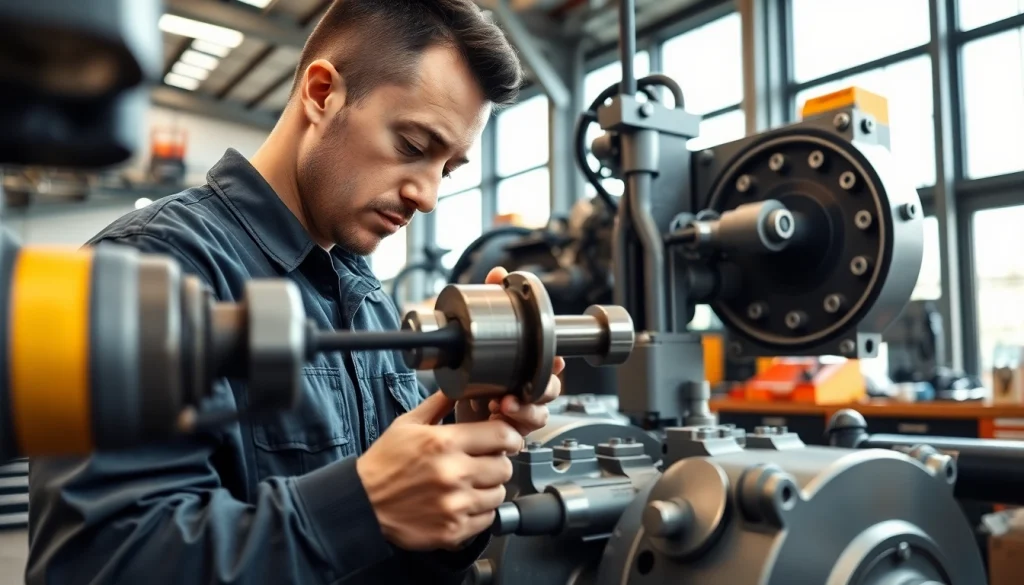
Understanding Hydraulic System Maintenance
What is Hydraulic System Maintenance?
Hydraulic system maintenance is the process of ensuring that hydraulic machinery functions efficiently and effectively through regular checks and servicing. It encompasses a range of activities, from inspecting components and replacing fluids to monitoring system performance and addressing issues promptly. By implementing a structured maintenance routine, operators can maximize the lifespan of hydraulic systems, reduce operational costs, and enhance safety in the workplace.
Importance of Regular Maintenance
Regular maintenance of hydraulic systems is paramount for various reasons. First, it helps prevent unexpected breakdowns, which can result in costly repairs and downtime. Second, consistent upkeep ensures that all components are operating within their optimal parameters, enhancing overall performance. Finally, it promotes workplace safety by reducing the risk of fluid leaks and component failures. For peace of mind and operational efficiency, investing in hydraulic system maintenance is imperative.
Common Hydraulic System Issues
Understanding the common issues that can arise in hydraulic systems is vital for effective maintenance. Some of the prevalent problems include:
- Fluid Contamination: Oil contamination from dust, water, or other substances can lead to component wear and system inefficiency.
- Low Fluid Levels: Insufficient hydraulic fluid can create inadequate pressure, jeopardizing system performance.
- Leakage: Fluid leaks can not only affect system functionality but also pose safety hazards.
- Worn Components: Over time, seals, filters, and hoses may degrade, necessitating replacement to ensure reliable operation.
- Air in the System: Entrained air can cause erratic operation or decreased power, impacting the system’s overall performance.
Best Practices for Hydraulic System Maintenance
Routine Inspection and Testing
Routine inspections and testing are the backbone of hydraulic system maintenance. Establishing a set schedule for inspections allows maintenance personnel to identify potential issues before they escalate. Key activities during these inspections should include checking for leaks, monitoring fluid levels, and assessing the condition of hoses and connections. Testing system pressure and fluid viscosity can also reveal significant insights into the overall health of the hydraulic system.
Fluid Management Techniques
Fluid management is critical to the performance and longevity of hydraulic systems. Utilizing appropriate hydraulic fluids that meet manufacturer specifications is essential. Regularly scheduling fluid changes can help prevent contamination and degradation. Additionally, using filtration systems to clean hydraulic fluids can significantly reduce the risk of wear on components and system failures. Proper storage and handling of hydraulic fluids are also necessary to maintain fluid integrity.
Component Replacement Guidelines
Knowing when and how to replace components in a hydraulic system is vital. Monitoring wear indicators and performance metrics can help determine the right time for replacement. It’s crucial to source replacement parts that meet OEM specifications to avoid compromising system efficiency. Regularly updating seals, filters, and hoses could prevent unexpected failures during operation. An effective inventory management system can ensure quick access to necessary replacement parts.
Tools and Equipment for Maintenance
Essential Tools for Hydraulic Systems
A well-equipped maintenance shop is crucial for efficient hydraulic system upkeep. Essential tools include hydraulic wrenches, pressure gauges, flaring tools, and fluid transfer pumps. Maintenance personnel should familiarize themselves with these tools to carry out repairs and inspections effectively. Using the right tools not only enhances the quality of maintenance but also promotes safety and efficiency.
Safety Equipment and Precautions
Safety should always be a priority in hydraulic system maintenance. Personal protective equipment (PPE) such as gloves, goggles, and aprons can prevent injuries during inspections. Additionally, ensuring that maintenance staff are trained in safe handling of hydraulic fluids and understanding of emergency procedures is crucial. Regular safety audits can help identify potential risks and promote a culture of safety within the organization.
Investment in Technology
Investing in technology can greatly enhance hydraulic system maintenance practices. Modern monitoring systems equipped with sensors can track fluid levels, pressure changes, and system performance in real-time. Data analytics tools can assist in forecast maintenance needs, reducing downtime and unexpected repairs. Integrating such technologies into maintenance protocols not only streamlines operations but also promotes proactive maintenance strategies.
Implementing a Maintenance Schedule
Creating an Effective Maintenance Plan
Creating an effective maintenance plan involves assessing specific system requirements and operational demands. This plan should outline routine service intervals based on the manufacturer’s guidelines and the severity of the operating environment. Incorporating flexibility in the schedule allows for adjustments based on system performance or unexpected operational changes.
Monitoring and Documentation
Monitoring and documenting every maintenance activity is essential for maintaining compliance and ensuring continual improvement. Utilizing a computerized maintenance management system (CMMS) can provide a centralized location for recording inspection results, fluid changes, and component replacements. This data can help in analyzing trends, predicting potential failures, and streamlining future maintenance activities.
Adjusting Maintenance Frequency
Adapting maintenance frequency based on system usage and performance metrics can optimize operations. For instance, systems operating under heavy loads or in extreme conditions may require more frequent checks than those operating normally. By analyzing operational data, maintenance schedules can be tailored to meet the system’s evolving needs effectively, maximizing uptime and efficiency.
Performance Metrics for Maintenance Success
Evaluating System Efficiency
Evaluating system efficiency encompasses looking at various performance metrics. Key indicators include response times, pressure levels, fluid temperature, and cycle times. Monitoring these metrics helps in assessing whether the hydraulic system operates within optimal parameters. Regular evaluations can identify areas for improvement, ensuring that the system meets production and efficiency goals.
Cost-Benefit Analysis of Maintenance
A cost-benefit analysis of maintenance can provide valuable insights into the financial impacts of regular maintenance practices. Weighing the costs of scheduled maintenance against the costs incurred from unexpected repairs and downtime can justify investment in a robust maintenance program. When properly executed, maintenance can significantly reduce long-term operational costs by extending the life of components and improving overall system reliability.
Utilizing Feedback for Improvement
Utilizing feedback from maintenance personnel and operators who work with the hydraulic systems daily can inform continuous improvement efforts. Regularly soliciting insights on system performance, operational challenges, and maintenance practices can highlight effective practices and areas needing attention. Implementing these suggestions can lead to more efficient operations and a more streamlined maintenance process.
Frequently Asked Questions
What are the signs that my hydraulic system needs maintenance?
Signs that your hydraulic system needs maintenance include unusual noises, fluctuations in pressure, leaks, and decreased performance or responsiveness. Regular monitoring helps identify potential problems early.
How often should hydraulic fluids be changed?
Hydraulic fluids should typically be changed every 1,000 to 5,000 operating hours, depending on system conditions and manufacturer guidelines. Always follow the manufacturer’s recommendations for specific fluid change intervals.
What are common causes of hydraulic system failures?
Common causes of hydraulic system failures include fluid contamination, inadequate fluid levels, worn components, and poor system design or installation. Regular maintenance can mitigate these risks significantly.
Can I perform hydraulic maintenance myself?
While some basic maintenance tasks can be performed by experienced personnel, it is essential to ensure compliance with safety standards. Complex repairs should be conducted by trained professionals to avoid injuries or further damage.
How can I improve hydraulic system efficiency?
Improving hydraulic system efficiency can be achieved through regular maintenance, proper fluid management, and ongoing training for personnel. Additionally, investing in modern technology for monitoring can enhance performance.