
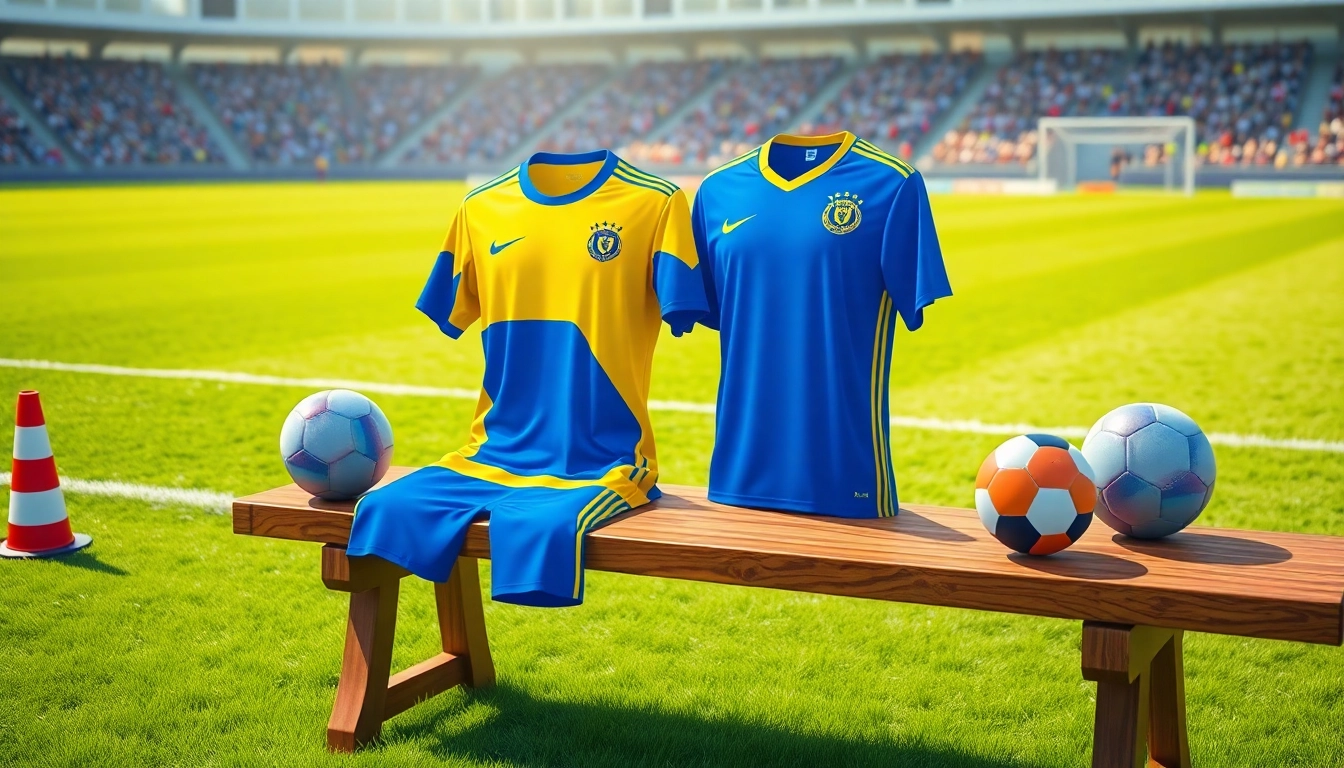
Introduction to Team Kit
Choosing the right Team kit is a pivotal decision for any sports team. The kit represents not only the identity of the team but also impacts player performance and team morale. In this comprehensive guide, we will explore the essential considerations when selecting a team kit, the importance of quality materials, various types of kits available, and how to effectively maintain them. Teams today need more than just a uniform; they require a thoughtfully designed kit that reflects their values and fosters player confidence.
What to Consider When Selecting a Team Kit
Understanding Team Needs
When selecting a team kit, the first step is to understand the specific needs of the team. Consider factors such as the type of sport, the playing conditions, and the level of competitiveness. Different sports have different requirements; for example, a soccer team will need lightweight, breathable materials for running, whereas a rugby team might prioritize durability.
Team Size and Configuration
Evaluate the number of players and any potential changes in team composition. It’s essential to consider having extra kits for substitutes and emergency replacements. Furthermore, kits should accommodate individual customization, ensuring that every player feels a sense of belonging and pride in their designated number and name.
Seasonal Requirements
Consider the season when the team will be playing. Hot weather necessitates lighter materials that wick moisture, while colder seasons may require additional layers. Investing in a versatile kit that can be layered can offer additional comfort throughout the year.
Budget Constraints
Set a realistic budget based on the team's financial resources. While quality kits can be pricier, they often yield better performance and durability, ultimately saving money in the long run. Look for suppliers that offer bulk discounts or packages that include additional gear like training kits and warm-up gear.
Importance of Quality in Team Kits
Impact on Performance
Quality materials enhance player performance. Breathable fabrics help regulate body temperature, while moisture-wicking technology keeps players cooled and dry during intense moments of play. A well-constructed kit reduces the risk of chafing and discomfort, allowing players to focus on their performance rather than their apparel.
Durability Over Time
A high-quality team kit will endure the rigors of frequent use and rigorous play. Strong seams and reinforced stitching contribute to a longer lifespan, which is essential for teams that utilize their kits extensively. Durable kits allow teams to invest in gear that will withstand multiple seasons, thereby maximizing their investment.
Team Representation and Professionalism
The quality of a team's kit reflects on its professionalism. A well-designed, high-quality kit instills pride in players and exudes confidence to opponents. Good quality not only enhances the visual impact but also fosters unity among the players, enhancing team spirit.
Different Types of Team Kits Available
Training Kits
Training kits are essential for skill development and team cohesion. They often include lightweight training tops and shorts designed for comfort and mobility. The visibility of the team colors can also help in team bonding during practice sessions.
Match Day Kits
Match day kits are typically more stylized and represent the official look of the team. They often consist of jerseys, shorts, socks, and essential accessories like arm bands or protective gear, designed to stand out during competitive play. It’s crucial that these kits provide both aesthetic appeal and functional performance.
Alternative and Specialty Kits
For teams that practice in different weather conditions, alternative kits may include long-sleeve jerseys or thermal layers. Additionally, specialty kits are available for tournaments or unique events, often designed with distinctive colors and logos to distinguish the team in special situations.
Design Elements of Team Kit
Choosing Colors That Represent Your Team
Color selection is a fundamental aspect of any team kit design. Colors can evoke emotion and derive a strong identity for the team. Choose colors that resonate with the team's values and heritage. Ensure that they are distinct and recognizable during gameplay. Consider color psychology, as different hues can affect player performance and audience perception.
Incorporating Team Logos and Branding
The team logo should be prominently displayed. It serves as the visual emblem of the team's identity. This can be complemented with branding elements such as team mottos or additional graphics that signify the team's legacy. Logos should be of high quality, ensuring they are printed or embroidered clearly and do not fade over time.
Material Selection for Performance and Durability
Material choice is critical. Look for synthetic fabrics that provide moisture management, UV protection, and stretch. These materials not only enhance player movement but also contribute significantly to the durability and comfort of the kit. Examine options such as polyester blends which offer a balance of comfort and resilience.
Customization Options for Team Kit
How to Personalize Each Player's Kit
Customizing kits to reflect each player’s unique identity is crucial for fostering team spirit. Each player’s name and number should be prominently displayed on their jersey. This not only helps with identification during games but also makes each player feel valued as part of the team unit.
Benefits of Custom Designs
Custom designs can significantly enhance team unity and morale. When players feel their individuality is respected within the team dynamics, it can positively influence their motivation and performance. Moreover, branded uniforms create a sense of professionalism and pride when representing the team in competitions.
Techniques for Printing and Embroidery
There are various techniques to customize kits, including screen printing, sublimation, and embroidery. Each method has its pros and cons, with various cost implications. Screen printing is efficient for bulk orders, while sublimation allows for full-color designs that stand out. Embroidery offers a premium feel, particularly for logos. Understanding the materials and processes involved is essential to make informed decisions about the customization of the team’s kit.
Buying and Sourcing Your Team Kit
Finding Reliable Suppliers for Team Kit
Researching and choosing the right suppliers is vital for obtaining quality team kits. Look for suppliers with a reputation for quality, reliability, and customer service. Reviews and testimonials can provide insight into their standards. It may also be beneficial to work with suppliers that specialize in sports gear, as they may offer better customization options and industry-specific advice.
Understanding Pricing and Budgeting for Kits
Establishing a clear budget aids in making informed purchasing decisions. Remember that cheaper options may compromise quality. Create a comparison chart detailing features, durability, and potential longevity against pricing to find the best value for money. Additionally, inquire about bulk pricing to stretch your budget further.
Evaluating Vendor Options and Services
When evaluating potential vendors, examine their turnaround time and their flexibility in accommodating specific customization needs. Ask about their return policy and after-sales support. A good supplier should offer further services, including repair options and additional orders, should the need arise.
Maintenance and Care for Team Kit
Washing and Storing Your Kits Properly
Proper care will extend the lifespan of a team kit. Washing kits at appropriate temperatures, following the manufacturer’s guidelines, helps maintain the integrity of the materials and colors. Store them in a cool, dry place to prevent mildew and odor.
Common Repairs and Upkeep Tips
Regular checks for minor damages such as loose threads and small tears can prevent further issues. Learn basic repair skills, such as sewing buttons and patching fabric, or consider enlisting a professional for significant repairs. Maintaining the kit will keep it looking fresh and extend its life significantly.
Extending the Lifespan of Your Team Kit
To prolong the lifespan of a team kit, set up a schedule for routine maintenance, including washing and repairs. Encourage players to treat their kits with care and, when needed, provide players with educational resources on kit maintenance. This proactive approach will ensure that the team presents a unified and professional appearance throughout the season.