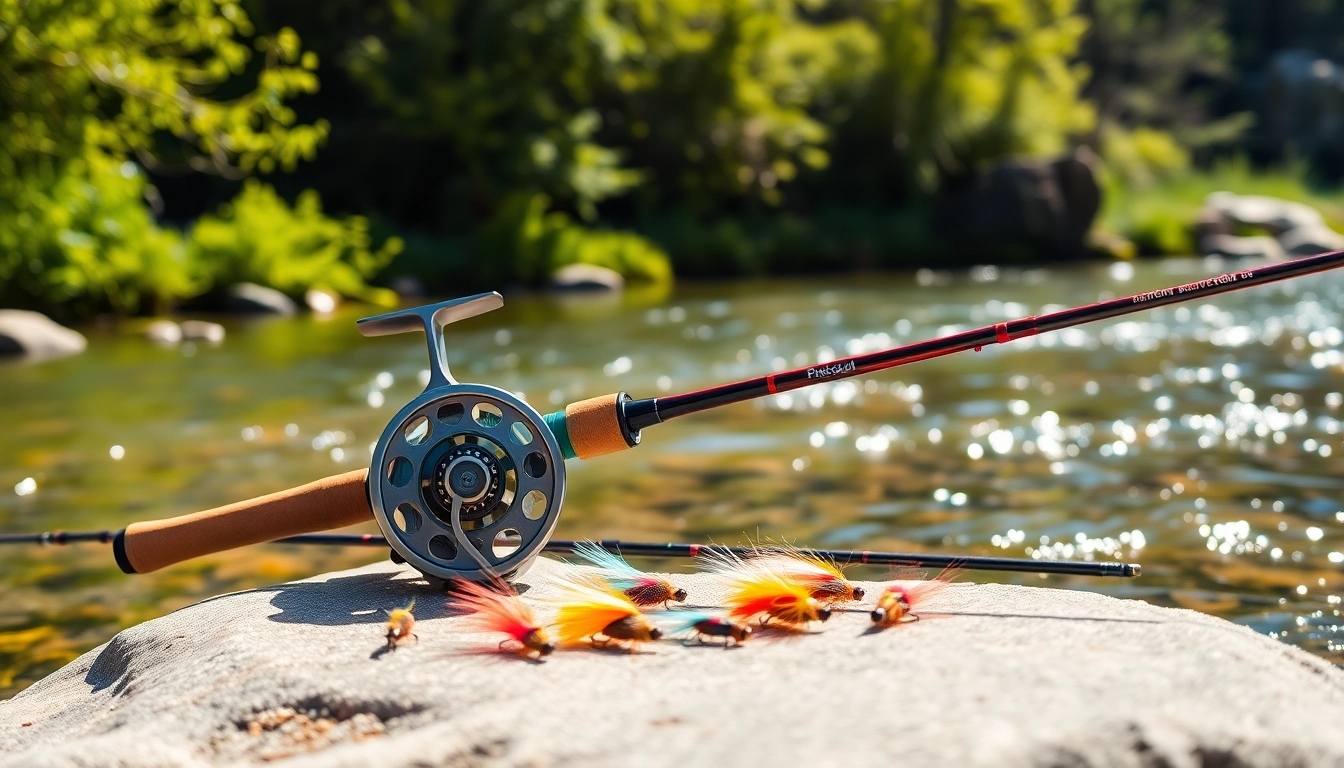
Understanding the Basics of Fly Fishing Combos
For beginners and seasoned anglers alike, understanding the configuration of a Fly fishing combo is essential to effectively enjoy the sport. A fly fishing combo simplifies the learning process and enables fishers to hit the water quickly without the hassle of selecting each component separately.
What Is a Fly Fishing Combo?
A fly fishing combo, often referred to as a package, typically includes a fly rod, reel, line, and an assortment of flies. These kits are designed to provide everything an angler needs to start fishing immediately. By bundling all essential elements, a combo eliminates the guesswork involved in purchasing individual components, particularly for beginners who may feel overwhelmed by the vast selection available.
Components of a Fly Fishing Combo
Understanding what a typical fly fishing combo includes can enhance your fishing experience:
- Fly Rod: The rod's length and weight are crucial in determining its effectiveness in various conditions. Commonly used weights range from 3wt for small streams to 10wt for larger species.
- Fly Reel: The reel must match the rod’s weight and is responsible for line storage and the management of slack.
- Fly Line: This is the core that transmits your casting motion to the fly. It also provides weight to help propel the fly.
- Backing and Leader Line: Backing provides additional line storage on the reel, while the leader connects the line to the fly, allowing for a delicate presentation.
- Flies: These come in a variety of designs, imitating both aquatic and terrestrial insects and baitfish to lure predatory fish.
Benefits of Using a Fly Fishing Combo
The benefits of using a fly fishing combo, especially for beginners, are substantial:
- Convenience: All essential tools come pre-selected and matched for effectiveness.
- Cost-Effective: Purchasing a combo can often be cheaper than buying items piecemeal.
- Ease of Use: Combos are designed to help novices learn the basics without getting bogged down by technical specifications.
Selecting the Best Fly Fishing Combo for Your Needs
Choosing the right fly fishing combo can significantly impact your comfort and success on the water. The right selection depends on multiple personal factors.
Factors to Consider When Choosing
Several factors can help narrow down suitable options for your fly fishing combo:
- Fishing Environment: Will you be fishing in freshwater or saltwater? The needs vary significantly between these two ecosystems.
- Fish Species: The targeted species will determine the rod's weight and length.
- Personal Preferences: Includes preferred casting styles, fishing techniques, and whether you favor structural integrity or feel.
Skill Level and Its Impact on Selection
Your skill level influences the type of combo you should select. Beginners will benefit from simpler setups that eliminate advanced features, while experienced anglers may prefer higher-quality materials to enhance performance. A child or newcomer may find it easier to manage a light 5wt rod, while experts might lean towards specialized rigs.
Price vs. Quality: Finding the Balance
The most daunting aspect of purchasing a fly fishing combo can often be balancing price and quality. While inexpensive combos may achieve basic functionality, spending a little more can result in significant improvements in performance, durability, and comfort. Often, you will get what you pay for in terms of the materials used and craftsmanship.
Common Challenges When Using Fly Fishing Combos
Even with the best gear, challenges can arise while out on the water. Understanding these can prepare you to overcome them.
Understanding Casting Techniques
Every casting technique has its unique mechanics. While the overhead cast is standard, techniques like the roll cast or the double haul may require more practice. Beginners especially should pay attention to their posture, grip, and timing. It may be beneficial to practice these techniques on dry land before attempting them on the water.
Troubleshooting Common Issues
Common issues with fly fishing combos include tangled lines, stiff reels, or rods malfunctioning. Familiarize yourself with basic troubleshooting methods like the proper way to remove tangles, lubricate reels, and replace or adjust components when necessary.
Maintaining Your Fly Fishing Combo
Regular maintenance is essential to extend the lifespan of your fly fishing combo. After each fishing trip, rinse the components with fresh water, inspect the rod and reel, dry them properly, and store them in a safe spot to avoid damage.
Top Fly Fishing Combos in the Market Today
While the best choice depends on individual needs and preferences, understanding market options can provide valuable insights.
Review of Popular Models
While specifics will vary, a general overview of popular models can help. Many users gravitate towards combos that feature durable materials, ergonomic designs, and versatile applications. User reviews play an essential role in knowing which combos receive the best feedback for different requirements.
Comparative Analysis: Features and Pricing
A comprehensive comparison can assist potential buyers in making informed decisions. Analyzing features such as rod lengths, materials, reel types, and included flies will go a long way in ensuring that anglers select the best option for their needs. Don’t forget to factor in price ranges.
What Users Are Saying: Customer Feedback
Listen to customer feedback to understand the real-world performance of combos. Websites or forums often offer testimonials that outline both pros and cons, providing a holistic view of user experiences.
Tips for Getting the Most Out of Your Fly Fishing Combo
Finally, once you have your combo, it’s essential to maximize its use through effective practices.
Best Practices for Beginners
Beginners should start by familiarizing themselves with fly casting mechanics and gradually progress toward complex techniques. Participating in local classes or workshops offers invaluable hands-on experience.
Advanced Techniques for Experienced Fishers
For those who have moved past the basics, refining your casting techniques and understanding behavior patterns of fish will greatly enhance your success. Engaging in competitions or joining advanced classes can provide further skill refinement.
Safeguarding Your Investment
To protect your fly fishing combo, store it appropriately when not in use, keep it out of direct sunlight, and make sure that your tackle box is organized. Avoid overexerting the plastic components and ensure everything is in good order before hitting the water.
Frequently Asked Questions
What should I look for in a beginner fly fishing combo?
When selecting a beginner combo, prioritize user-friendliness, balanced weight, and a reasonable price. A medium-weight rod and simple reel can help you learn essential techniques without frustration.
Can I use a fly fishing combo in saltwater?
While some combos are suitable for saltwater, ensure that you select one specifically designed for it. These often feature corrosion-resistant materials to withstand harsher conditions.
How do I clean my fly fishing equipment?
Rinse your rod and reel with fresh water after each use, remove dirt and debris, and dry them thoroughly. Store them in protective cases to prevent damage.
What reel size is best for a 5wt rod?
A reel corresponding to a 5wt setup typically ranges from 5 to 6 weights. This balance ensures that the reel effectively manages the line weight and fly selection efficiently.
How often should I replace my flies?
Replace flies regularly, especially if they show signs of wear, damage, or if they fail to catch fish. Fresh flies generally improve your chances of success.