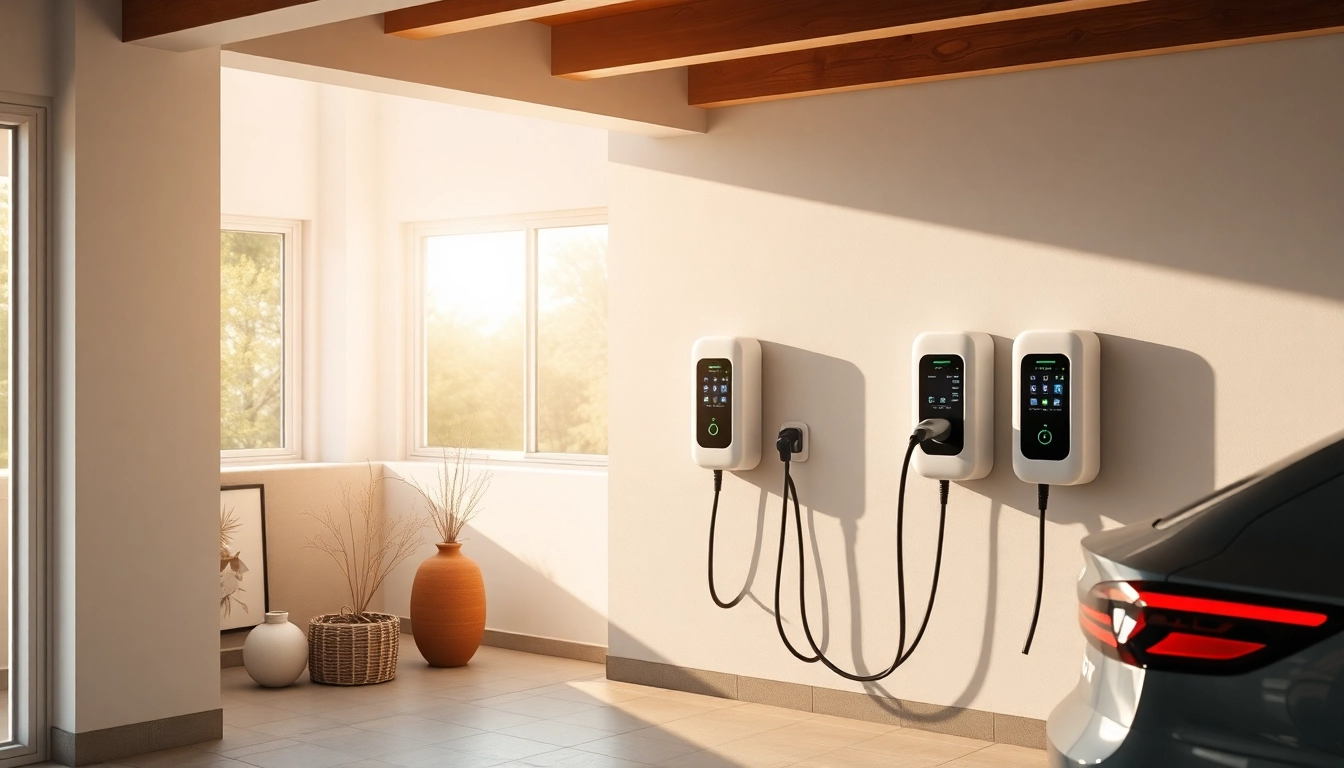
Understanding EV Charging Installation
Basics of EV Charging Installations
As electric vehicles (EVs) gain popularity, EV Charging Installation becomes increasingly essential for both residential and commercial settings. The process involves setting up a station to charge electric vehicles efficiently. Basic knowledge about EV charging installation includes understanding the requirements for safety, electrical capacity, and integration with existing electrical systems. This foundational knowledge helps ensure that installations are not only effective but also secure.
Types of EV Chargers Available
There are three main types of EV chargers widely available:
- Level 1 Chargers: These chargers use a standard 120-volt outlet and are suitable for home use. They are the slowest charging option and are typically used overnight.
- Level 2 Chargers: These 240-volt chargers offer faster charging speeds, making them ideal for both home and commercial installations. They require professional installation to ensure safety and efficiency.
- DC Fast Chargers: Found primarily in commercial settings, these chargers provide rapid charging, allowing vehicles to gain significant charge in a short time. They utilize direct current, making them incompatible with standard home systems.
Benefits of Professional Installation
Opting for professional EV charging installation brings several advantages:
- Safety: Certified electricians have the expertise to ensure installations comply with local codes.
- Efficiency: Professionals can optimize the setup to maximize charging speed and efficiency.
- Warranty and Support: Professional installations often come with warranties, providing peace of mind and support in case of issues.
Planning Your EV Charging Installation
Assessing Your Electrical Needs
Before installation can begin, it is crucial to assess your electrical panel’s capacity. Many EV chargers, especially Level 2 and DC fast chargers, draw significant power. An evaluation of your existing electrical infrastructure should include checks on circuit capacity, panel condition, and whether any upgrades are necessary to support the charger.
Choosing the Right Location for Installation
The site for your EV charging station should prioritize accessibility and safety. Think about how often the EV will be charged and whether the location is convenient for everyday use. Factors such as proximity to a power source, potential weather exposure, and traffic flow are also important considerations in location selection.
Understanding Local Regulations
It is vital to familiarize yourself with local regulations governing EV charging installation. This may include zoning laws, building permits, and safety codes. Ensuring compliance not only enhances safety but also prevents legal issues later on. Engaging with local authorities can provide clarity and guidance on the necessary steps to adhere to these regulations.
Steps for EV Charging Installation
Preparing Your Home or Business
The preparation phase is key to a smooth installation. This includes evaluating and, if needed, upgrading electrical panels, clearing installation areas, and ensuring there’s ample ventilation. Pre-installation checks of your electrical systems can help to identify and mitigate any potential issues before they arise.
Installation Process Explained
The installation process typically follows these steps:
- Site Assessment: A qualified technician assesses the site to determine the best installation approach, taking into consideration location, electrical capacity, and any upgrades required.
- Installation: The charging station is installed according to manufacturer guidelines and local codes.
- Connection: The charger is connected to the electrical system with appropriate safety measures, including circuit breakers and surge protectors.
- Testing: After installation, the unit is thoroughly tested to ensure it operates correctly and safely.
Post-Installation Testing
Once your EV charger has been installed, it’s crucial to conduct comprehensive testing. This involves checking the electrical connections, verifying charging speed, and ensuring that safety features work as intended. Regular post-installation checks can help identify any issues that may arise from your specific usage patterns over time.
Maintaining Your EV Charging Installation
Regular Maintenance Tips
Maintaining your EV charging station is essential to ensure longevity and efficiency. Key maintenance tips include:
- Regularly inspect the charger for signs of wear and tear.
- Keep the area around the charger clean and free of debris.
- Schedule periodic checks with an electrician to ensure all electrical components are in good condition.
Common Issues and Troubleshooting
As with any electrical device, issues may arise. Common problems with EV chargers include:
- Unresponsive charger: This might indicate a power issue or a fault within the charger itself.
- Slow charging speeds: This can occur if the electrical panel is not equipped to handle the power needed.
- Faulty cable connections: Ensure that all cables are securely connected and not damaged.
Signs It's Time for an Upgrade
As technology advances, so too does the efficiency of EV chargers. Indicators that it might be time to upgrade include:
- Outdated charger models that lack modern features or warranties.
- Failures in efficiency or frequent breakdowns requiring repairs.
- An increase in vehicle charging needs that your existing system cannot accommodate.
Future of EV Charging Installation
Emerging Technologies in EV Charging
The landscape of EV charging technology is rapidly evolving. Emerging technologies include wireless charging, which allows EVs to charge without physical connections, and ultra-fast charging stations that significantly reduce charging times. These innovations not only enhance user experience but also prepare infrastructure to support the climbing number of electric vehicles.
Impact of Smart Grids
Smart grids are revolutionizing how electricity is managed and distributed. With enhanced communication between users and providers, smart grids can improve energy efficiency and allow for better demand-response capabilities. EV chargers interconnected with smart grids will help to optimize energy consumption and offer benefits such as reduced charging costs during off-peak hours.
Adapting to Changing Standards
The evolving standards and regulations surrounding EV charging installations are essential to keep in mind. As more chargers are installed, new safety and efficiency guidelines emerge. Staying informed about these changes ensures compliance and enhances user safety, leveraging the latest advancements in EV charging technology.
FAQs
What are the cost factors of EV Charging Installation?
The costs generally range from $500 to $2,500, depending on equipment, installation complexity, and electrical modifications required.
How long does EV Charging Installation take?
Typical installations can be completed within a few hours to a full day, depending on the specific site conditions and requirements.
Is a permit needed for EV Charging Installation?
Yes, most areas require a permit to ensure compliance with local safety codes and regulations before installation can proceed.
Can I install an EV charger myself?
While DIY options are available, hiring a certified electrician is highly recommended for safety and regulatory compliance.
Are there incentives for EV Charging Installation?
Many regions offer tax credits or rebates for EV charging installations. Check local programs for specific details and eligibility.