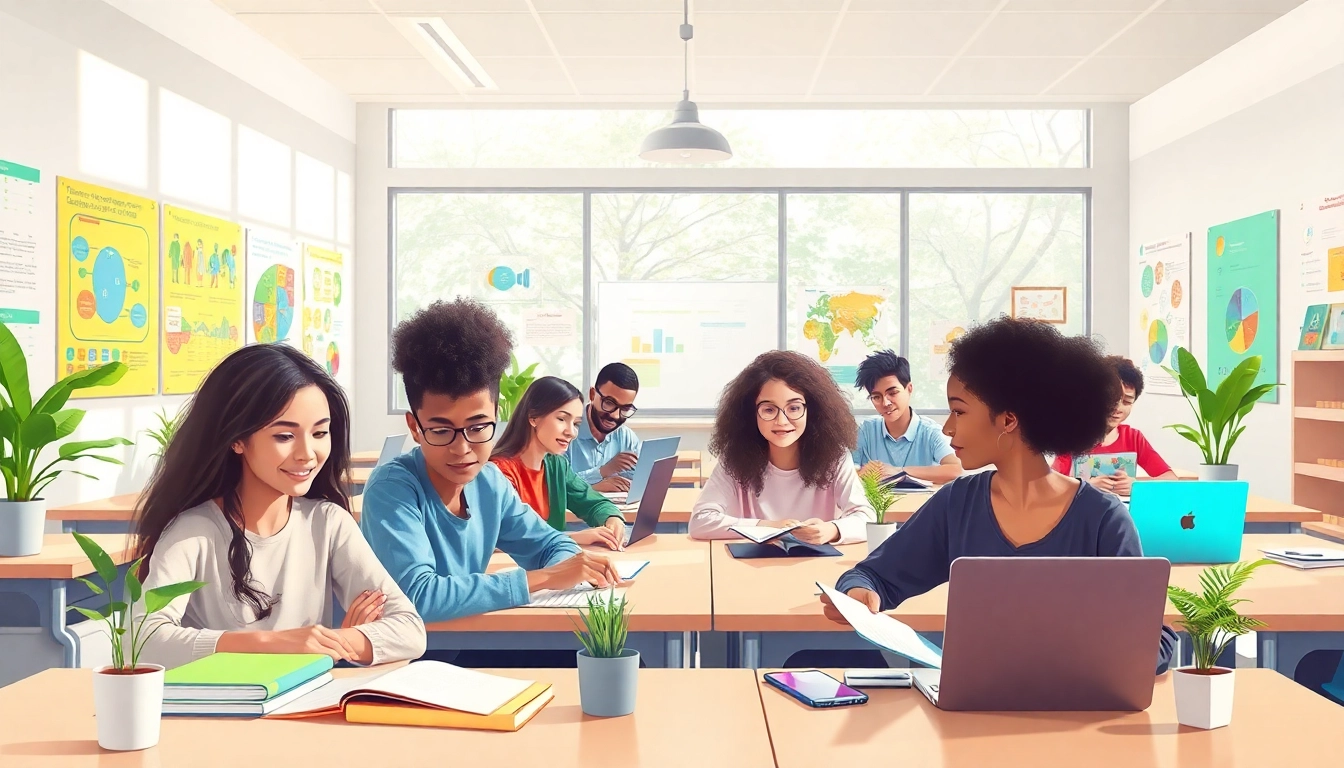
Understanding Education Equity and Its Importance
Education is a fundamental human right and a powerful driver of social change. It serves as the gateway to opportunities, allowing individuals to cultivate their potential and contribute to society. However, the realization of education equity, where every student has access to quality education regardless of their background, remains an ongoing challenge. As we delve into this critical topic, it is essential to recognize the role education plays in fostering social justice and community progress.
Defining Education Equity
Education equity refers to the principle of fairness in education, ensuring that personal or social circumstances such as socio-economic status, gender, and ethnicity do not hinder students' access to quality education. It emphasizes the need to provide additional resources and support to those who are disadvantaged, thereby leveling the playing field. This approach is crucial for enabling all students to achieve their academic potential and thrive in their environments.
The Role of Education in Social Justice
Education is closely linked to social justice. It can empower marginalized communities by providing the knowledge and skills necessary to navigate and challenge existing inequalities. Schools that prioritize education equity not only contribute to individual success but also promote a more inclusive society where diverse voices are represented. By addressing systemic barriers within educational institutions, we can create environments that foster equity and justice for all students.
Current Challenges in Achieving Equity
Despite the recognition of its importance, achieving education equity faces numerous hurdles. Funding disparities often result in unequal access to resources, creating a gap between affluent and underprivileged schools. Additionally, biases—whether implicit or explicit—can shape the educational experiences of students from diverse backgrounds. These challenges necessitate innovative strategies and policies aimed at reforming the educational landscape to enhance equity.
Innovative Approaches to Education Reform
To move towards a more equitable education system, it is vital to explore innovative approaches to education reform. This involves embracing technological advancements, redesigning curricula, and fostering community partnerships that support student learning.
Technological Integration in Education
Technology has the potential to transform education by providing personalized learning experiences. Online platforms and digital tools can bridge gaps in access, offering students educational resources that may not be available in their local communities. For instance, students in remote areas can engage with interactive learning modules and online tutoring, leveling the educational playing field.
Project-Based Learning: A Practical Framework
Project-based learning (PBL) encourages students to explore real-world problems and challenges collaboratively. This pedagogical method promotes critical thinking and enhances engagement. By working on meaningful projects, students not only acquire knowledge but also develop essential skills such as teamwork, communication, and problem-solving, which are crucial in today’s workforce.
Community Involvement and Support
Engaging families and community members in the educational process is essential for creating supportive environments that foster student success. Schools that actively collaborate with local organizations and stakeholders can better understand and address the unique needs of their student populations. Community involvement can take many forms, including mentorship programs, after-school activities, and family engagement initiatives.
Building Inclusive Learning Environments
For educational equity to flourish, it is imperative to create inclusive learning environments that celebrate diversity and foster participation from all students.
Diversity in the Classroom: Benefits and Strategies
Diverse classrooms bring together students from various cultural, racial, and socioeconomic backgrounds, enriching the learning experience for everyone. Educators can implement strategies such as differentiated instruction and culturally responsive teaching to cater to the varied needs of their students. By recognizing and valuing students’ unique perspectives, schools can cultivate an inclusive atmosphere where all learners feel valued and understood.
Supporting Students with Disabilities
Inclusive education also means providing adequate support for students with disabilities. This can involve modifying curricula, offering specialized resources, and training educators to accommodate different learning needs. Ensuring accessibility is not just a legal requirement but a moral imperative that recognizes the rights of all students to succeed in an equitable educational setting.
Culturally Responsive Teaching Practices
Culturally responsive teaching acknowledges the cultural backgrounds of students as assets in the learning process. By integrating students’ experiences into the curriculum, educators can make learning more relevant and engaging. This approach not only enhances academic outcomes but also builds a sense of community within the classroom, fostering respect and collaboration among all students.
Measuring Success in Educational Equity
To understand the effectiveness of educational equity initiatives, it is important to establish clear metrics for evaluating success. Comprehensive assessment methodologies can illuminate areas for improvement and celebrate accomplishments.
Key Metrics for Evaluating Equity
Metrics such as graduation rates, standardized test scores, and college enrollment statistics can provide insights into the effectiveness of equity-focused programs. However, qualitative measures, such as student and teacher feedback, are equally important for painting a complete picture of educational experiences. Schools must commit to continuous improvement and reflection on their practices to ensure they are fostering equity.
Case Studies: Successful Educational Reforms
Examining case studies of schools that have implemented successful reforms can offer valuable lessons. For example, schools that have adopted the community school model, integrating health and social services with education, have shown improvements in student engagement and academic performance. These examples highlight the importance of holistic approaches to education reform that extend beyond the classroom.
Preparing Educators for an Inclusive Future
Professional development opportunities aimed at promoting cultural competence, inclusivity, and innovative teaching practices are crucial for equipping educators to meet the diverse needs of their students. Training programs should focus on building awareness of bias and discrimination, fostering an understanding of social justice issues, and engaging educators in collaborative learning communities.
Future Trends in Education: Looking Ahead to 2026
As we look towards the future, several trends are likely to shape the landscape of education over the next few years. Understanding these trends can help educators and policymakers prepare for the evolving needs of students and the workforce.
The Impact of AI and Data on Learning
Artificial Intelligence (AI) and data analytics are poised to revolutionize education by providing insights into student learning patterns and outcomes. Adaptive learning technologies can personalize the educational experience, ensuring that each student receives the support they need to succeed. However, this also raises ethical considerations regarding data privacy and equity in access to technology.
Global Perspectives on Education Reform
As education systems worldwide grapple with similar challenges, there is much to learn from global perspectives on education reform. Collaborative initiatives and exchanges between countries can yield innovative solutions that address inequities and enhance learning outcomes. Such international cooperation can lead to the sharing of best practices and resources that benefit all students.
Emerging Skills for the Workforce of Tomorrow
The rapid pace of technological advancement means that the skills required for the workforce are continuously evolving. Future educational frameworks must prioritize competencies such as critical thinking, creativity, collaboration, and digital literacy. Preparing students for this dynamic landscape will require a reevaluation of existing curricula, ensuring alignment with future job market demands.