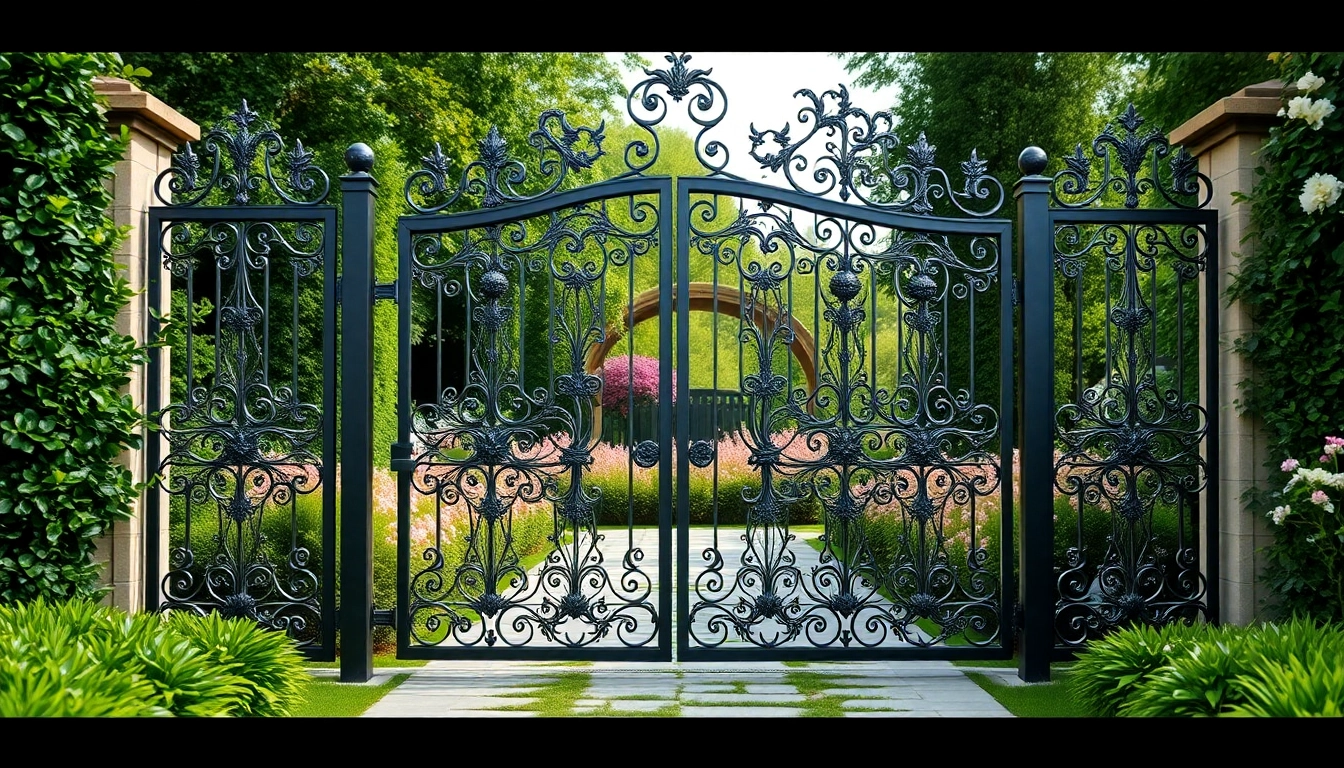
Understanding Custom Steel Gates
Custom steel gates have become a popular choice for homeowners and businesses looking for a blend of functionality, security, and aesthetic appeal. Unlike standard gates, these gates are designed to meet specific needs and preferences, allowing property owners to assert their individual style while ensuring robust security. With a myriad of options available, selecting the perfect custom steel gates can significantly elevate a property's overall look and feel.
What Are Custom Steel Gates?
Custom steel gates are tailor-made entryways crafted from high-quality steel, designed to fit specific dimensions and styles outlined by the property owner. These gates come in various configurations, including sliding, swinging, and bi-folding gates, all engineered to offer maximum durability and resilience against harsh environmental conditions. The custom aspect allows for personalization in both design and functionality, ensuring that each gate serves a unique purpose for the property it protects.
Benefits of Choosing Steel for Gates
Choosing steel for gates comes with an array of benefits. Firstly, steel is renowned for its strength and durability, providing enhanced security for residential and commercial properties alike. Unlike wood or vinyl, steel gates are resistant to warping, rotting, and insect infestation. This durability translates to a longer lifespan, resulting in lower long-term maintenance costs.
- Security: Steel gates offer superior protection against unauthorized access, acting as a formidable barrier.
- Low Maintenance: Steel requires minimal upkeep, making it a practical choice for busy property owners.
- Customizable Appearance: Custom steel gates can be painted or treated to match the aesthetic of any property.
- Fire Resistance: Steel is inherently fire-resistant, adding an extra layer of safety.
Popular Styles and Designs
When it comes to design, custom steel gates can embody various styles that reflect the overall theme of the property. Popular designs include:
- Ornamental Gates: Featuring intricate designs and patterns, ideal for traditional homes.
- Modern Minimalist Gates: Sleek lines and simple designs suitable for contemporary properties.
- Industrial Gates: Using raw elements to create a stark, bold look often found in urban settings.
- Privacy Gates: Solid panels that ensure privacy without compromising on style.
This extensive range of styles allows homeowners to find a gate that not only fulfills functional demands but also complements their property's architectural aesthetic.
Designing Your Custom Steel Gate
Key Considerations for Design
Designing a custom steel gate requires careful consideration of various factors. First, assess the purpose of the gate—whether for security, aesthetic purposes, or both. Additionally, take into account the surrounding landscape, the style of the home, and local building regulations. Choosing the right steel thickness is also vital, as it largely determines the gate's strength and overall appearance.
Incorporating Personal Style
Personal preferences play a crucial role in the design of custom steel gates. Property owners can choose from different finishes, colors, and patterns to match their unique style. For instance, a smooth matte finish may appeal to modern aesthetics while a galvanized steel finish can provide a rugged, industrial look. Integrating elements like decorative scrollwork or personalized insignia can further enhance the gate's individuality, turning a functional item into a work of art.
Choosing the Right Dimensions
Getting the dimensions right is critical in ensuring that your custom steel gate fits seamlessly into its designated space. Measure the width and height of the entryway accurately, considering any slopes or uneven ground that may affect the installation. It is advisable to consult with a professional during this stage to ensure that all specifications meet the intended purpose while adhering to local regulations.
Installation Process for Custom Steel Gates
Pre-Installation Planning
The installation process of custom steel gates begins with thorough planning. Prior to installation, it’s essential to review the design, dimensions, and the functionalities of the gate. A solid foundation is critical for a successful installation; hence, preparing the entryway by clearing any debris and measuring accurately can ease the subsequent steps. It’s also important to decide on the gate's swing direction, ensuring that it opens inward for security while allowing for functionality.
Installation Options: DIY vs. Professional
Property owners have the option of installing their custom steel gates themselves or hiring a professional. A DIY installation can save money; however, it requires knowledge of tools and installation techniques. If you choose to proceed with a DIY project, ensure you have the necessary tools lined up, including a level, drill, and concrete mix for setting the gate posts. Conversely, hiring a professional may incur additional costs but can guarantee a flawless installation and give peace of mind, especially in complex setups.
Common Challenges and Solutions
Every installation project can come with its own set of challenges. Common issues include miscalculations in measurements, unlevel ground, or difficulty in aligning the gate. If measurements are off, it may require creating a custom solution to fit the space adequately. For unlevel ground, leveling the area with gravel or soil may be necessary. When experiencing alignment issues, adjust the hinges and latches or consult with a professional for expert assistance.
Maintaining Your Custom Steel Gates
Best Practices for Longevity
To ensure the longevity of your custom steel gate, regular maintenance is essential. This includes periodic inspections for signs of wear, such as rust or corrosion. One of the most effective maintenance practices is applying a protective sealant that resists moisture and oxidation. It’s also wise to periodically check and tighten any fasteners and hinges to avoid mechanical failures.
Cleaning and Maintenance Tips
Cleaning your steel gate should be part of your regular maintenance routine. Use a mild detergent and water solution to remove dirt and debris. For more stubborn stains, a soft-bristle brush combined with a mixture of vinegar and water can rectify the issue without damaging the finish. Avoid using harsh chemicals, as they can strip the protective coatings and expose the metal to elements.
Signs That Repairs Are Needed
Monitoring your gate for signs that it needs repairs is crucial. Some common indicators include difficulty in operation, such as squeaking noises or resistance when opening. Additionally, check for visible signs of rust, denting, or damage to the hinges and latches. If any of these issues arise, it’s advisable to take prompt action to prevent further deterioration.
Enhancing Curb Appeal with Custom Steel Gates
Integrating Gates into Landscaping
Aesthetics play a significant role in the appeal of a property, and custom steel gates contribute significantly to curb appeal. Integrating your gate with landscaping features, such as flower beds, shrubs, or hardscaping, creates a seamless transition and enriches visual interest. Installing decorative planters or lighting near the gate can host an inviting atmosphere and draw attention to the overall design.
Impact on Property Value
Investing in custom steel gates not only enhances aesthetic appeal but can also improve property value. A well-designed gate signifies quality and attention to detail that prospective buyers value. Statistics show that properties with appealing entryways attract higher offers, making it a wise investment for those considering future resale.
Creative Lighting Ideas
Incorporating lighting into your custom steel gate design can elevate your property's nighttime presence. Options such as solar-powered lights or LED strip lighting can enhance visibility and safety at night, while simultaneously highlighting the artistic features of the gate. Placing uplights at the base of the gate or string lights overhead can create a warm, inviting atmosphere for guests.