Understanding the Role of Mould Temperature Controllers
The Mould Temperature Controller plays a crucial role in ensuring optimal performance and product quality during the manufacturing process. By precisely managing the temperature of mold cavities, these devices help manufacturers produce consistent and high-quality parts while minimizing defects. In this article, we will explore what mould temperature controllers are, their significance in manufacturing, and the various types and applications available in the market today.
What is a Mould Temperature Controller?
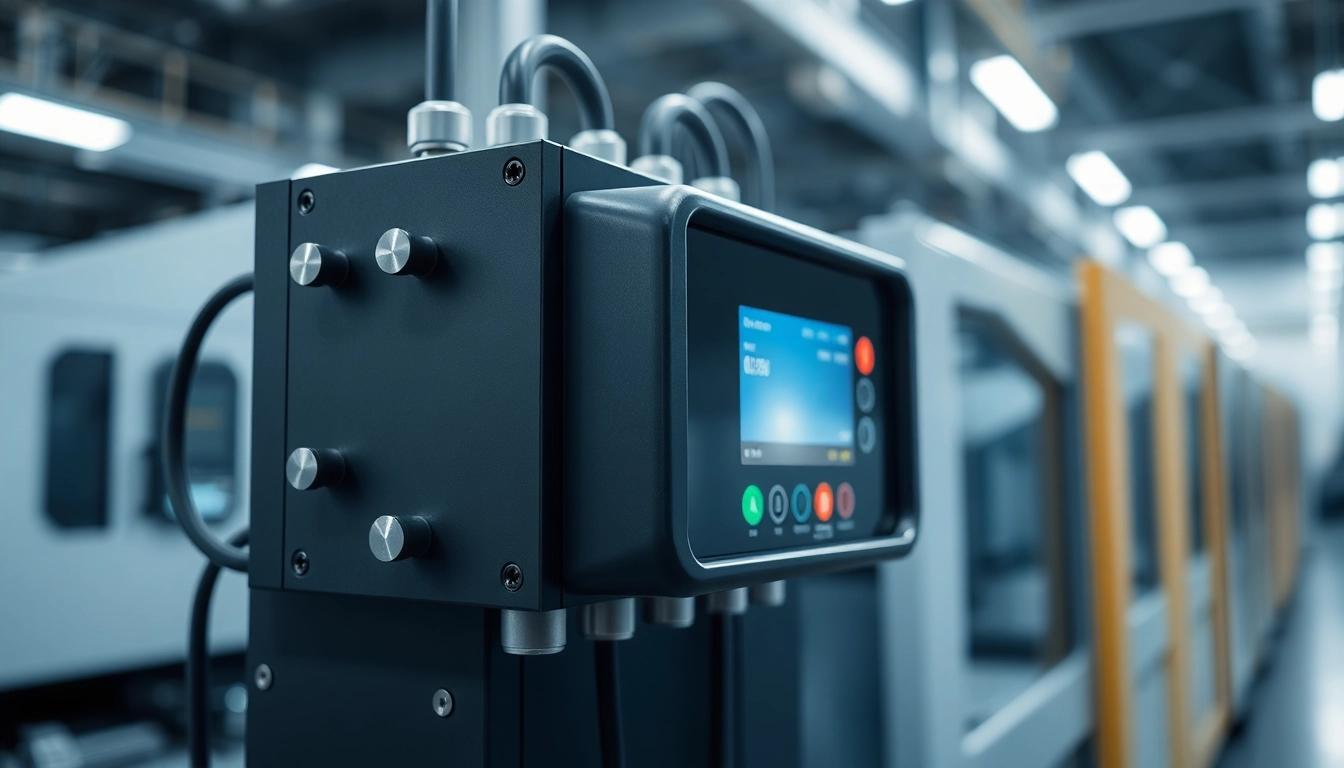
A mould temperature controller is a specialized device used in industrial settings, particularly in injection molding, to regulate the temperature of molds. These controllers manage the heating and cooling of the mold surfaces, ensuring that the temperature remains within a specified range to optimize the quality of the molded products. By circulating a heated or cooled fluid through the mold, they maintain the desired thermal conditions for the materials being processed, whether plastic or metal.
The Importance of Temperature Control in Manufacturing
Temperature control in manufacturing is vital for several reasons:
- Quality Assurance: Maintaining the correct mold temperature ensures that materials fill the mold uniformly, reducing defects such as warping, sinking, or uneven curing.
- Process Efficiency: Proper temperature management leads to faster cycle times, increasing productivity and throughput while minimizing energy consumption.
- Cost Reduction: By preventing defects and enhancing production efficiency, manufacturers can significantly lower costs associated with rework and material waste.
Types of Mould Temperature Controllers and Their Applications
There are several types of mould temperature controllers available, each suited for specific applications:
- Water-Based Controllers: Commonly used in injection molding, these controllers circulate water to regulate temperatures efficiently and are ideal for industries requiring precise temperature management.
- Oil-Based Controllers: Suitable for higher temperature applications, oil-based controllers provide better thermal stability and are often used in metal processing and high-temperature moulding.
- Chilled Water Controllers: These systems are essential for processes that require rapid cooling, helping to shorten cycle times and enhance productivity.
Key Features to Look for in a Mould Temperature Controller
Efficiency and Energy Consumption
When selecting a mould temperature controller, energy efficiency is a critical factor to consider. Look for models with advanced insulation and heat recovery features that minimize energy waste and reduce operating costs.
Control Accuracy and Range
Precision in temperature control is paramount. Choose controllers that offer a wide temperature range and high control accuracy to accommodate various molding processes and materials. Features such as PID control algorithms can enhance temperature stability.
Integration with Existing Equipment
The ability to seamlessly integrate with existing manufacturing equipment can greatly enhance operational efficiency. Mould temperature controllers should be compatible with other systems, such as cooling towers and injection molding machines, to ensure a smooth workflow.
Common Challenges in Mould Temperature Control
Temperature Fluctuations and Their Effects
Temperature fluctuations can lead to inconsistent product quality and increased scrap rates. It is vital to monitor and manage these fluctuations meticulously to ensure that they do not adversely affect the manufacturing process.
Maintenance Issues and Solutions
Routine maintenance of mould temperature controllers is essential to prevent operational issues. Regular inspections and timely replacements of components, such as pumps and filters, can help maintain efficiency and prolong the equipment's lifespan.
Misconceptions About Mould Temperature Management
Many manufacturers overlook the importance of mould temperature management, believing that it is merely a secondary consideration. In reality, effective temperature control is integral to achieving product quality and operational efficiency.
Best Practices for Optimizing Mould Temperature Regulation
Regular Monitoring and Data Analysis
Utilizing data analytics tools can provide insights into temperature performance over time, allowing for informed adjustments and proactive maintenance. Regular monitoring systems can alert operators to deviations from set parameters, enabling quick responses to potential issues.
Implementing Advanced Control Systems
Investing in advanced control technologies, such as smart controllers with IoT capabilities, can provide real-time tracking and automated adjustments, enhancing overall mould temperature management.
Training Staff on Temperature Management Techniques
Training personnel on the importance of temperature management and how to operate mould temperature controllers effectively can lead to improved operational outcomes and quality control.
Future Trends in Mould Temperature Control for 2025 and Beyond
Emerging Technologies and Innovations
As technology evolves, new developments in mould temperature control are on the horizon. Innovations such as AI-driven monitoring systems and enhanced thermal fluids are set to revolutionize how temperature management is approached in manufacturing.
Environmental Considerations and Sustainability
With increasing focus on sustainability, manufacturers are looking for energy-efficient mould temperature controllers that minimize environmental impact. Future solutions will likely prioritize eco-friendliness while maintaining or enhancing performance.
The Evolving Role of Automation in Manufacturing
The integration of automation into temperature control processes will streamline operations and reduce the need for manual intervention, allowing for more consistent product quality and reduced human error in temperature management.