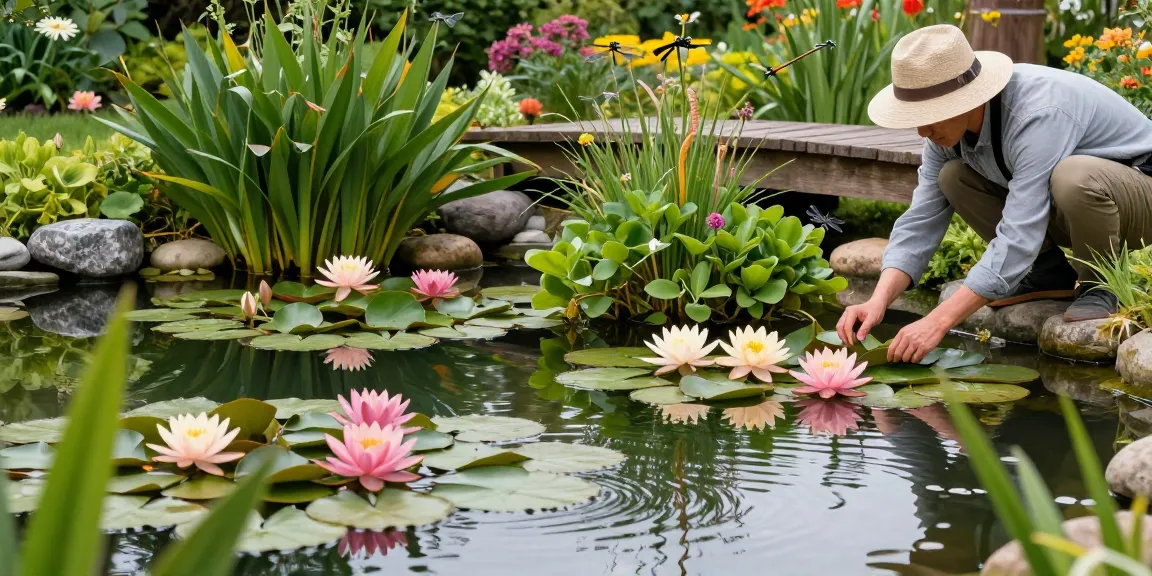
Understanding British Pond Plants
When creating a pond or enhancing an existing one, choosing the right plants is essential for both aesthetics and ecological balance. British pond plants are a vital part of this ecosystem, offering numerous benefits that contribute to a healthy aquatic environment. From improving water quality to providing habitat for wildlife, these native species are indispensable for any gardener looking to cultivate a vibrant pond. In this article, we will explore what these plants are, their benefits, and how to select and maintain them effectively. For more detailed insights regarding different types of British Pond Plants, you will find a wealth of information available online.
What Are British Pond Plants?
British pond plants, also known as native aquatic plants, are species that naturally thrive in the water bodies of the UK. They play a crucial role in maintaining the ecosystem equilibrium within ponds, lakes, and waterways. These plants vary from submerged species, which are entirely underwater, to emergent plants that grow partly above the water level. Examples include water lilies, reeds, and various types of sedges. Understanding their characteristics—such as their growth habits and environmental needs—is vital for anyone looking to establish a flourishing pond.
Benefits of Incorporating Native Flora
Incorporating British pond plants into your water garden comes with numerous benefits:
- Enhancing Biodiversity: Native plants support local wildlife, providing food and shelter for various aquatic animals, including frogs, fish, and insects.
- Improving Water Quality: These plants help filter pollutants and excess nutrients from the water, supporting a balanced ecosystem.
- Stabilizing the Shoreline: The root systems of native plants help prevent erosion and maintain the integrity of pond banks.
- Providing Aesthetic Value: With their diverse forms and colors, British pond plants enhance the visual appeal of any garden.
Common Types of British Pond Plants
Some common British pond plants that you might consider include:
- Yellow Flag Iris: A striking plant with vibrant yellow flowers that bloom in late spring to early summer.
- Water Lily: Known for its beautiful floating leaves and flowers, it provides shade for fish and helps to reduce algae growth.
- Common Reed: This tall, grass-like plant thrives in shallow water, offering excellent shelter for wildlife.
- Marsh Marigold: A spring-blooming plant with bright yellow flowers that attract pollinators.
Choosing the Right Plants for Your Pond
Factors to Consider When Selecting Pond Plants
Selecting appropriate plants for your pond involves considering various factors such as the size of the pond, the water depth, and the specific ecological conditions. Understanding your local climate, water chemistry, and sunlight exposure is crucial for making suitable choices. Additionally, it's essential to consider whether you want plants that promote biodiversity or those that primarily serve aesthetic purposes. By assessing these factors, you can create a harmonious environment that supports both the plants and the wildlife that frequents your pond.
Top Considerations for Different Pond Depths
The depth of your pond influences which plants will thrive. Most pond plants fall into three categories:
- Submerged Plants: These plants grow entirely underwater and are best suited for depths of at least 30-80 cm (1-3 feet). Examples include hornwort and eelgrass.
- Floating Plants: These plants float on the water's surface and require a depth of about 15-45 cm (6-18 inches). Water lilies and duckweed are common types.
- Emergent Plants: These species grow at the edges of the pond, typically in shallow water (less than 15 cm or 6 inches deep). Reeds and marsh marigold fall into this category.
Pairing Plants for Optimal Ecosystem Health
Creating a balanced ecosystem involves strategically pairing different types of pond plants. Consider mixing submerged, floating, and emergent plants to enhance water quality and provide habitat for a diverse range of wildlife. For example, water lilies can provide shade, which helps control algae growth, while emergent plants like bulrushes can offer shelter and nesting grounds for birds. Proper plant selection promotes a thriving aquatic environment, making your pond a sanctuary for various species.
Planting and Maintaining Your Pond Plants
Best Practices for Planting British Pond Plants
When planting British pond plants, it is advisable to follow these best practices:
- Choose the Right Season: Early spring or late summer is the best time to plant, as this allows plants to establish roots before the weather changes.
- Prepare the Soil: Use aquatic planting baskets filled with a suitable soil mix to provide adequate nutrients while preventing excess sediment from washing away.
- Planting Depth: Ensure that plants are placed at their appropriate depths; submerged plants should be fully submerged, while emergent plants should have their bases just below the water surface.
Seasonal Care and Maintenance Tips
Maintaining pond plants involves addressing their care needs throughout the seasons:
- Spring: Fertilize plants as they begin to grow, and remove any dead foliage from the previous year.
- Summer: Monitor water levels and ensure adequate sunlight for growth; consider shading parts of the pond to manage temperature and algae growth.
- Autumn: Trim back dead or dying plants, and prepare the pond for winter by ensuring that any floating plants are removed before the first frost.
- Winter: In colder climates, consider insulating submerged plants, especially if they are sensitive to freezing temperatures.
How to Control Algae and Weeds Effectively
Algae and weeds can quickly overwhelm a pond if not managed effectively. Here are some strategies to keep them in check:
- Increase Plant Coverage: By adding more native plants, you can outcompete algae for nutrients and sunlight.
- Reduce Nutrient Levels: Minimize fertilizer input around the pond and control run-off from nearby areas.
- Regular Cleaning: Routinely remove debris and excess organic matter that can contribute to algae growth.
Creating a Thriving Aquatic Ecosystem
Importance of Biodiversity in Your Pond
A diverse range of plant and animal species contributes to the resilience and health of your pond ecosystem. Biodiversity helps in controlling populations of pests and diseases, contributing to a more stable aquatic environment. In addition, a varied plant palette provides ample habitat and food resources for wildlife, creating a more balanced ecosystem overall. Encouraging biodiversity should be a priority for any pond owner seeking to create a sustainable habitat.
Integrating Fish and Other Wildlife
Adding fish can enhance the beauty of your pond while supporting its ecosystem. Native fish species, such as the bitterling and the stickleback, are excellent choices as they can thrive in conjunction with local plant species. When integrating fish, ensure that the plant cover is sufficient to provide shelter and breeding grounds. Furthermore, you might introduce amphibians like frogs and newts, which will contribute to pest control in your garden.
Monitoring Water Quality for Healthy Growth
Regularly monitoring water quality is essential for the health of your pond ecosystem. Key parameters to check include:
- pH Level: Most pond plants do best in a pH range of 6.5 to 7.5.
- Nutrient Levels: Monitor nitrogen and phosphorus levels to prevent algae blooms.
- Oxygen Levels: Ensure adequate dissolved oxygen levels, which are crucial for fish health.
Future Trends in Pond Gardening
Emerging Styles in Aquatic Plant Design for 2026
As we step into 2026, innovative trends in pond gardening are emerging that emphasize sustainability and creativity. Gardeners are increasingly adopting designs that feature a mix of native plants, creating naturalistic landscapes that mimic local ecosystems. This approach not only provides a habitat for wildlife but also requires less maintenance and care, making it more appealing to environmentally conscious gardeners.
Exploring Sustainable Practices for Pond Care
Future trends are leaning towards sustainable practices in pond care, focusing on reducing chemical inputs and promoting organic methods. Gardeners are increasingly turning to natural filtration systems, rainwater harvesting, and companion planting as a means to enhance ecosystem health. These sustainable practices not only protect local wildlife but also contribute to the overall health of our planet.
Technological Advances in Pond Maintenance
Technology is changing how we maintain our ponds. Smart monitoring systems are now available to track water quality in real-time, providing actionable data to pond owners. Automated filtration systems and robotic weeders can help manage pond ecosystems more efficiently, ensuring that your pond remains healthy with minimal manual intervention.
What are the best types of British pond plants?
Choosing the right plants depends on your specific pond conditions, but some of the best options include yellow flag iris, water lilies, and common reed, which all thrive in various aquatic environments.
How can I maintain water quality in my pond?
Regularly monitor pH levels, nutrient concentrations, and dissolved oxygen using water testing kits. Introduce suitable native plants that help filter the water naturally.
Are there specific plants beneficial for wildlife?
Yes, certain plants like marsh marigold and common reed provide excellent habitat and food sources for various wildlife, including birds, amphibians, and aquatic insects.
What are common mistakes to avoid in pond gardening?
Common mistakes include overcrowding plants, neglecting water quality monitoring, and using non-native species that may disrupt local ecosystems.
How can I create a balanced ecosystem in my pond?
Incorporate a diverse range of native plants, monitor water parameters, and introduce compatible wildlife to help maintain a healthy balance within your pond ecosystem.