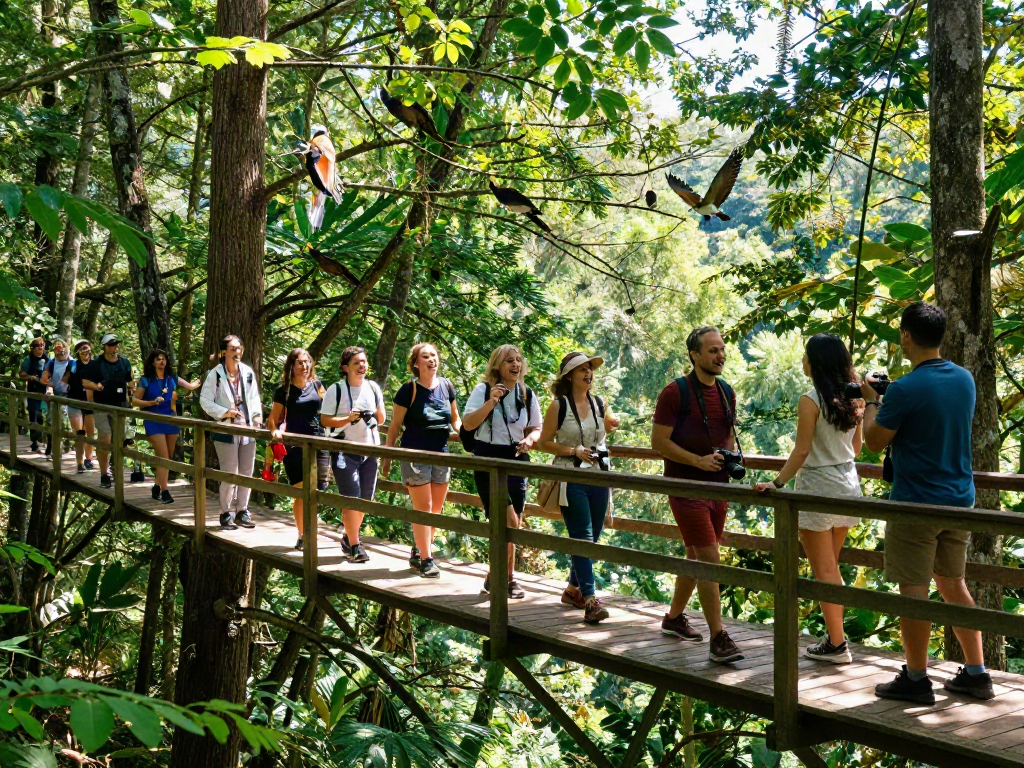
Introduction to Treetop Walkways
As nature enthusiasts increasingly seek immersive experiences, treetop walkways have emerged as a burgeoning trend in ecotourism. These elevated walkways provide a unique vantage point to explore and appreciate forest ecosystems from a breathtaking height. Imagine strolling high above the ground, surrounded by the canopy of trees, sunlight filtering through leaves, and the sounds of nature enveloping you. With their innovative designs and stunning locations, treetop walkways offer not just adventure but an educational journey into the heart of the biosphere.
What is a Treetop Walkway?
A treetop walkway is an elevated pathway that allows visitors to experience the forest canopy safely and comfortably. Typically built using robust materials like steel, wood, and rope, these walkways extend above the forest floor, providing stunning views of the surrounding landscape. They are designed to give visitors a chance to see life from the treetops, including various flora and fauna that thrive in this unique ecosystem.
Benefits of Visiting Treetop Walkways
Visiting a treetop walkway offers numerous benefits, including:
- Unique Perspective: Gain a bird's-eye view of the forest and appreciate the intricate relationships within the ecosystem.
- Educational Opportunities: Many walkways are accompanied by informative signs or guided tours that enhance your understanding of ecology and conservation.
- Physical Activity: Walking through these elevated paths can be a refreshing and active way to enjoy nature.
- Wildlife Encounters: Look out for birds, insects, and even mammals that are typically found in the upper levels of the forest.
Top Locations for Treetop Walkways in 2026
In 2026, some of the world's most breathtaking treetop walkways include:
- Kew Gardens, London: With its iconic Treetop Walkway, visitors can explore the treetops at a height of 18 metres, surrounded by rich botanical diversity.
- Wild Walk at The Wild Center, New York: This engaging nature walk features various interactive elements, including a four-story treehouse and swinging bridges.
- Canopy Walk, Ghana: This canopy walkway, part of Kakum National Park, allows visitors to observe tropical wildlife and lush vegetation.
- Murch Canopy Walk, Ohio: This walkway provides a 500-foot-long adventure rising 65 feet above the forest floor, with opportunities to see diverse wildlife.
Planning Your Treetop Walkway Visit
Planning your visit to a treetop walkway involves a bit of preparation to ensure a safe and enjoyable experience. When exploring options, Treetop Walkway provides comprehensive insights into various locations and what to expect during your visit.
Essential Gear for Treetop Walks
While most treetop walkways are designed for ease of access, wearing appropriate gear enhances your experience. Consider the following items:
- Comfortable Footwear: Choose sturdy shoes with good grip to navigate varied surfaces securely.
- Layered Clothing: Dress in layers to accommodate fluctuating temperatures as you ascend.
- Sun Protection: Bring sunglasses, hats, and sunscreen, as you may be exposed to direct sunlight on elevated paths.
- Camera: Capture the stunning views and wildlife interactions, so don’t forget to bring your photography equipment.
Best Times to Visit Treetop Walkways
The best time to visit treetop walkways depends on local climate and the specific ecosystem:
- Spring: Experience blooming flora and increased wildlife activity, perfect for nature lovers and photographers.
- Summer: Enjoy the lush greenery and vibrant colours, but prepare for potentially crowded pathways.
- Autumn: Witness stunning fall foliage, making it an excellent time for scenic walks.
- Winter: For those in warmer climates, visiting during the cooler months can offer a quieter experience.
Accessibility Considerations at Treetop Walkways
Accessibility is a critical consideration for all visitors. Many treetop walkways are designed with ramps and sturdy railings, making them suitable for individuals with mobility challenges. Before visiting, check with the specific location to ensure they can cater to your needs.
Experiencing Nature from Above
Wildlife Encounters on Treetop Walks
One of the most rewarding aspects of visiting a treetop walkway is the opportunity to encounter wildlife up close. Common species include:
- Birds: Many birds are spotted at treetop height, with species varying by region.
- Insects: Observe the intricate behaviours of insects like butterflies and bees that flit among the treetops.
- Mammals: Depending on the location, you may even catch glimpses of squirrels, sloths, or monkeys in their natural habitat.
Photography Tips for Capturing Your Treetop Experience
Capturing stunning images from a treetop walkway can be exhilarating. Here are a few tips:
- Use a Zoom Lens: This allows you to capture distant wildlife without disturbing their habitat.
- Adjust Exposure Settings: Canopy lighting varies; be prepared to modify your camera settings to prevent overexposure.
- Patience is Key: Wildlife photography often requires waiting for the perfect moment, so take your time.
Understanding the Ecosystem of the Canopy
The forest canopy is a complex ecosystem that plays a crucial role in biodiversity. Treetop walkways provide a unique platform to learn about:
- Tree Species: Understand the different species contributing to the canopy's structure.
- Flora and Fauna Interactions: Learn how various plants and animals coexist within this rich environment.
- Climate Influence: Understand how the canopy regulates temperature and moisture for the forest below.
Safety Tips for Treetop Walkway Adventures
Common Safety Concerns
While treetop walkways are generally safe, awareness of common concerns is essential:
- Height Anxiety: If you have a fear of heights, prepare mentally before your visit.
- Weather Conditions: Avoid visiting during storms or strong winds as these can affect safety.
- Equipment Inspection: Ensure that the walkway is well-maintained and check for any notices on safety issues.
Guidelines for Safe Walking on Elevated Trails
To ensure a safe experience, follow these guidelines:
- Stay in Designated Areas: Always stick to the marked paths and avoid climbing on the railings.
- Be Aware of Your Surroundings: Keep an eye on your group and the path ahead.
- Follow Posted Rules: Adhere to all signage and guidelines provided by the location.
Emergency Procedures and First Aid Information
Before embarking on your adventure, familiarize yourself with the emergency procedures at your chosen treetop walkway. Most locations will have first aid kits and staff trained to handle minor injuries or emergencies.
The Future of Treetop Walkways and Ecotourism
Emerging Designs and Technologies for Treetop Walkways
As treetop walkways gain popularity, new designs and technologies are emerging. Innovations such as:
- Sustainably Sourced Materials: Many new projects are focused on using eco-friendly materials.
- Interactive Features: Some walkways are incorporating educational displays and apps to enhance visitor engagement.
- Smart Technology: Advanced sensors and monitoring systems are being integrated for visitor safety and ecological research.
Sustainable Practices in Treetop Walkway Construction
Building treetop walkways presents unique environmental challenges. Sustainable practices include:
- Minimising Disruption: Designs aim to reduce impacts on local wildlife and habitats.
- Promoting Conservation: Many walkways also contribute to conservation efforts, participating in tree planting or habitat restoration projects.
- Education Through Experience: By providing immersive experiences, treetop walkways foster a passion for nature and conservation among visitors.
Predictions for Ecotourism Trends by 2026
As the interest in ecotourism grows, here are some trends expected to shape the future of treetop walkways:
- Increased Accessibility: More locations are expected to offer services that cater to individuals with disabilities.
- Integration of Local Culture: Future walkways may feature local flora or cultural interpretations to enrich visitor experiences.
- Focus on Wellness: Expect a rise in walkways designed for mindfulness and wellness, providing tranquil experiences amid nature.
What are the best treetop walkways in the world?
The best treetop walkways, including those listed earlier, provide unforgettable experiences that blend adventure with education and ecological appreciation.
How safe is a treetop walkway for children?
Most treetop walkways are family-friendly, but supervision is recommended for younger children. Check age restrictions and safety features before visiting.
What should I wear for a treetop walkway visit?
Dress in layers, wear comfortable shoes, and consider sun protection. Be prepared for changes in temperature and weather conditions.
Are treetop walkways accessible for people with disabilities?
Many modern treetop walkways are designed with accessibility in mind, featuring ramps and safe areas for all visitors. Always check specific location details.
What wildlife can I expect to see on a treetop walkway?
Species vary by location, but common wildlife includes birds, insects, and small mammals, often providing great photographic opportunities.