Understanding the Austin Construction Market
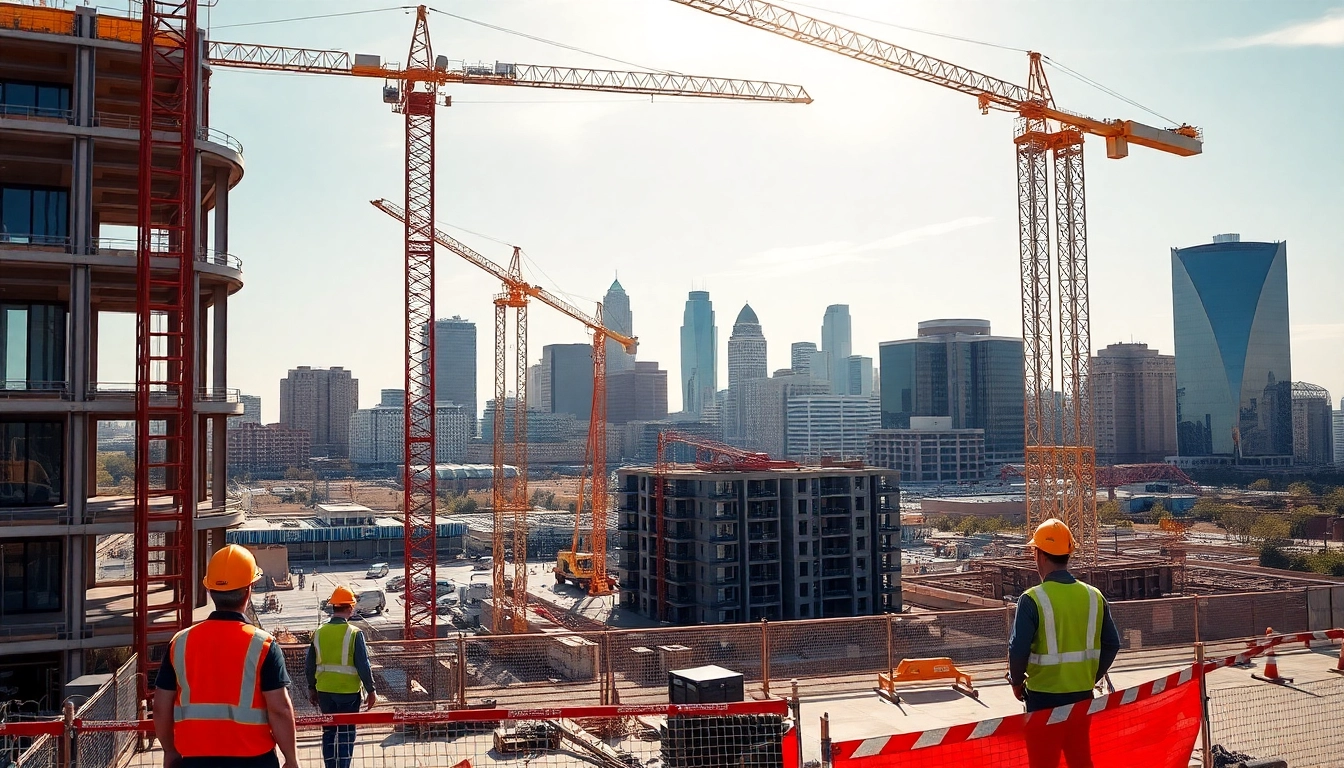
The Austin construction market has seen significant growth over the years, driven by a booming economy, population growth, and an influx of businesses. As one of the fastest-growing cities in the United States, this vibrant metropolis is ripe with opportunities and challenges for construction professionals. Understanding the nuances of the market can help stakeholders align their strategies effectively. The landscape is dynamic, and keeping a finger on the pulse of Austin construction trends is crucial for successful project delivery.
Current Trends in Austin Construction
In recent years, several trends have emerged in the Austin construction sector, shaping how projects are planned, executed, and completed. These trends include:
- Urban Infill Development: With limited land available, many developers are focusing on infill projects. This means utilizing land within existing urban areas for new construction, which helps to reduce urban sprawl.
- Sustainable Building Practices: Green building practices are becoming the standard rather than the exception. Sustainable materials, energy-efficient designs, and renewable energy sources are key components of many new projects.
- Smart Technology Integration: The integration of smart technology into buildings for improved energy efficiency, security, and convenience is growing in popularity. Smart sensors, automated systems, and building management technologies are becoming essential in new constructions.
- Shortage of Skilled Labor: Like many parts of the country, Austin is facing a shortage of skilled labor, which presents challenges for project timelines and costs. Companies are increasingly investing in training and development programs to offset this issue.
Key Players and Competitors
The Austin construction scene features a mix of established firms and emerging startups. Key players range from large general contractors to specialized subcontractors and suppliers, each contributing to the vibrant construction ecosystem. Notable companies often include:
- The Beck Group: Known for their comprehensive range of services, offering everything from design to construction.
- JE Dunn Construction: A leader in commercial construction known for their innovative approach and sustainability efforts.
- Paragon Contractors: Local firm focusing on residential and commercial developments, well-known for their community-oriented projects.
- SpawGlass: This firm emphasizes employee ownership and community giving alongside their construction operations.
Staying ahead of the competition requires not only understanding who the main players are but also what differentiates them. Features like customer service, quality of work, and adherence to deadlines are crucial competitive factors.
Regulatory Considerations in Austin
Construction in Austin is heavily regulated by various state and local guidelines. Navigating the regulatory landscape is vital for project success. Important considerations include:
- Permitting Process: All construction projects require a series of permits and approvals which can vary based on project type and location. Timely submissions and adherence to local guidelines are critical.
- Building Codes: Austin enforces specific building codes to ensure safety and sustainability. Contractors must stay updated on any changes to these codes.
- Environmental Regulations: The Austin area has strict environmental regulations. Projects must comply with guidelines that respect local ecosystems and natural resources, particularly regarding water use and waste management.
Effective Project Management Practices
Effective project management is critical in the construction industry to reduce costs, manage timelines, and ensure quality. Various practices play a significant role in achieving these goals.
Planning and Budgeting for Success
A comprehensive planning phase can significantly impact the success of a construction project. Key steps in planning and budgeting effectively include:
- Setting Clear Objectives: Outline specific, measurable goals that are aligned with stakeholder expectations.
- Creating Detailed Budgets: A well-structured budget includes estimates for all project phases, including labor, materials, permits, and contingencies. Utilize software tools for accuracy.
- Timeline Development: Develop a realistic project timeline that considers all phases and potential delays. Utilize Gantt charts for visualization.
Regular reviews during the project lifecycle help keep plans aligned with original goals and budgetary constraints.
Choosing the Right Contractors and Partners
The success of a construction project often hinges on the selection of the right contractors and partners. When making these decisions, consider the following:
- Evaluate Experience and Expertise: Look for contractors with proven experience in similar projects. Review past work to determine quality and reliability.
- Check References: Speak with previous clients and assess contractor credibility through reviews and ratings.
- Assess Financial Stability: A financially stable contractor is more likely to complete the project on time and within budget.
Risk Management in Construction Projects
Risk management is an essential aspect of project planning and execution. Identifying risks early and implementing mitigation strategies is crucial to success. Key practices include:
- Conducting Risk Assessments: Regularly evaluate risks associated with labor, materials, weather, and compliance, among others.
- Developing Contingency Plans: Establish contingency plans for potential risks, ensuring there are strategies in place to address unexpected issues.
- Incorporating Insurance: Adequate insurance coverage can provide peace of mind and financial protection against potential liabilities.
Innovative Technologies in Construction
Innovation is at the heart of the construction industry, with emerging technologies transforming how projects are designed and executed. Some key technologies include:
Building Information Modeling (BIM) Advantages
BIM has redefined the construction process by providing a digital representation of the physical and functional characteristics of construction projects. Benefits include:
- Enhanced Collaboration: BIM facilitates collaboration between various stakeholders, allowing for better communication and understanding.
- Improved Accuracy and Reduced Errors: The detailed visualizations help identify potential problems before construction begins, minimizing costly errors.
- Real-Time Updates: Changes can be made quickly and communicated effectively, keeping all parties informed and able to adapt.
Sustainable Practices in Austin Construction
As environmental concerns grow, sustainable construction practices are increasingly important. Key strategies include:
- Energy Efficiency: Incorporating energy-efficient designs and materials reduces environmental impacts and can lower operating costs.
- Water Conservation: Implementing water-saving technologies can help mitigate resource depletion.
- Recycling and Waste Reduction: Prioritizing recycled materials and minimizing waste during construction contributes to sustainability goals.
The Role of Drones and Robotics
Advancements in technologies like drones and robotics have introduced new efficiencies within the construction sector. Their applications include:
- Site Assessment and Monitoring: Drones are useful for surveying sites quickly and accurately, providing real-time data to project managers.
- Robotics for Construction Tasks: The use of robotic systems can perform repetitive tasks with precision, improving productivity and safety.
- Inspection and Quality Control: Drones can efficiently conduct inspections, ensuring materials and construction meet quality standards.
Quality Control and Safety Standards
Safety and quality control are paramount in the construction industry. Implementing rigorous protocols can help minimize risks and ensure project integrity.
Implementing Safety Protocols Effectively
Establishing a comprehensive safety program is essential for protecting workers and minimizing accidents on job sites. Key components include:
- Safety Training Programs: Regular training helps workers understand potential hazards and how to mitigate them.
- Personal Protective Equipment (PPE): Ensuring that all workers have access to and use appropriate PPE is critical in maintaining safety standards.
- Regular Safety Audits: Conducting routine safety audits can help identify risks and areas for improvement.
Ensuring Material Quality and Compliance
The quality of materials used in construction directly impacts the durability and safety of the project. Best practices include:
- Vendor Management: Establish strong relationships with reliable suppliers who adhere to industry standards.
- Material Testing: Conduct regular tests and inspections to ensure that materials meet regulatory and performance standards.
- Documentation and Compliance Checks: Maintain comprehensive records of all materials used and compliance with local regulations.
Continuous Training for Construction Teams
Ongoing education and training for construction teams are vital for maintaining high standards of quality and safety. Strategies to enhance training include:
- Onboarding Programs: Develop comprehensive onboarding for new hires to ensure they understand company policies, safety protocols, and project specifics.
- Skills Development Opportunities: Encourage workers to seek certifications and engage in skills training to enhance their expertise.
- Feedback Mechanisms: Implement systems for employees to provide feedback on safety and quality concerns, fostering a culture of improvement.
Evaluating Project Outcomes
After project completion, evaluating outcomes is essential for continuous improvement. Effective evaluation methods can drive future success.
Metrics for Measuring Construction Success
Identifying clear metrics allows construction teams to gauge the success of their projects accurately. Important metrics include:
- On-Time Delivery: Measuring whether a project meets its deadlines helps identify efficiency levels.
- Budget Adherence: Evaluating how closely the project stays within budget provides insights into financial management.
- Safety Incident Rates: Tracking incidents can help assess the effectiveness of safety protocols and training.
Post-Project Analysis and Learning
Post-project analysis provides invaluable insights for future projects. Steps for conducting effective analyses include:
- Team Debriefs: Hold meetings to discuss what worked well and what could be improved upon.
- Client Feedback: Seek insights from clients regarding their satisfaction and any concerns they may have.
- Documentation of Lessons Learned: Maintain records of lessons learned for future reference, creating a knowledge base for ongoing improvement.
Future Trends to Watch in Austin Construction
As the Austin construction industry continues to evolve, several trends are likely to shape its future, including:
- Increased Focus on Resiliency: Projects will need to be designed to withstand the challenges of climate change and natural disasters.
- Greater Emphasis on Diversity and Inclusion: A wider range of perspectives will be prioritized as construction firms recognize the value of diverse teams.
- Continued Technological Integration: The utilization of technologies such as AI, virtual reality, and advanced project management systems will likely expand further.
Understanding these dynamics can empower industry participants to adapt, innovate, and excel in the highly competitive Austin construction market.