
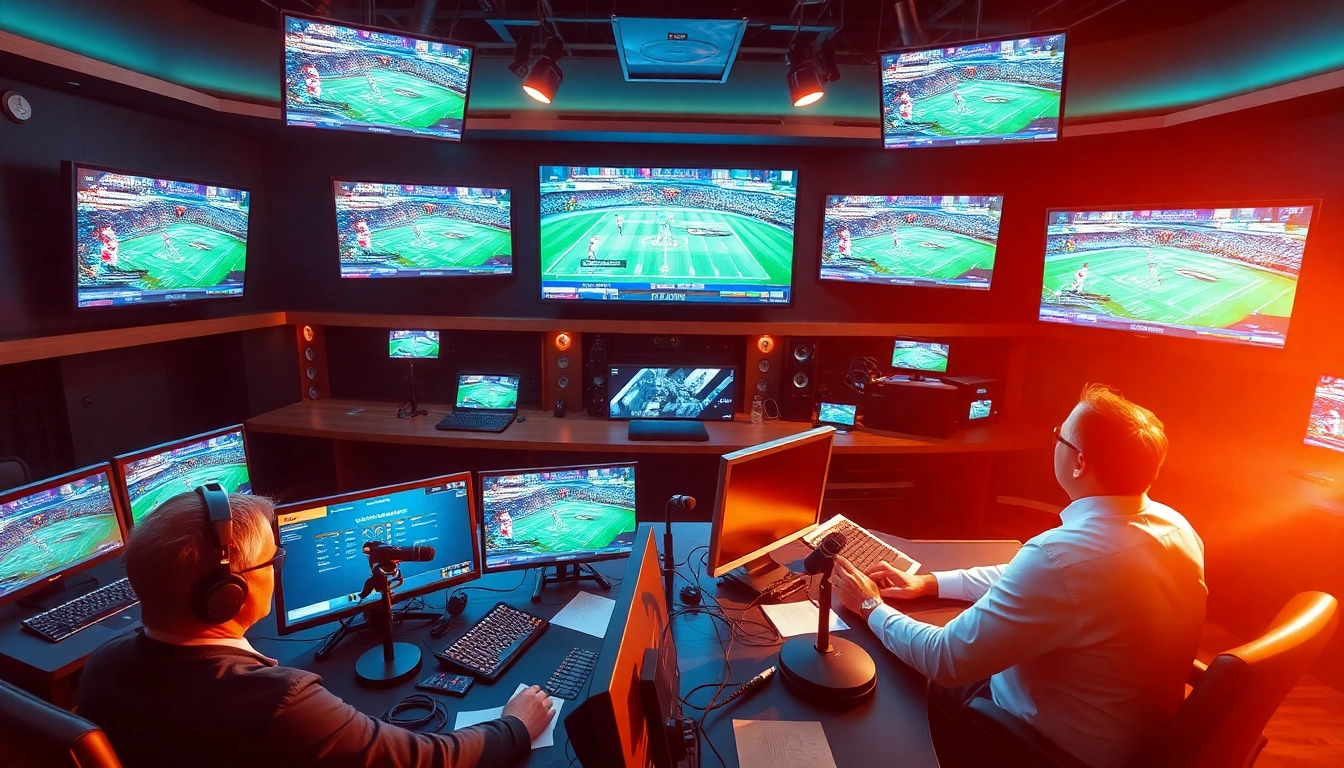
Understanding the Basics of Sports Broadcasting
What is Sports Broadcasting?
Sports broadcasting refers to the dissemination of sports-related content through various media platforms, including television, radio, and online streaming. It serves as a crucial link between sports events and audiences, providing live coverage, analysis, and commentary that enhances the viewer's experience. As an evolving field, Sports Broadcasting engages fans worldwide, bringing them closer to their favorite teams and athletes.
The Role of a Sports Broadcaster
The role of a sports broadcaster encompasses a variety of responsibilities. Broadcasters are tasked with delivering compelling narratives to audiences while maintaining factual integrity. They act as the face of live events, guiding viewers through the action with insightful commentary, relaying important information, and engaging in meaningful interactions with fans. Additionally, broadcasters often conduct interviews with players and coaches, providing deeper context and analysis that enriches the audience's understanding of the game.
Types of Sports Broadcasting
Sports broadcasting can be categorized into several types based on the medium and format used. These include:
- Television Broadcasting: Traditional broadcasting through cable and satellite networks.
- Radio Broadcasting: Live commentary and analysis through radio stations.
- Online Streaming: Streaming services that provide live or recorded content via the internet.
- Social Media Broadcasting: Utilizing platforms like Twitter, Facebook, and Instagram to deliver real-time updates and coverage.
Essential Technology for Sports Broadcasting
Broadcast Hardware and Equipment
To ensure high-quality broadcasts, professionals in the sports broadcasting industry rely on an array of hardware and equipment. Essential components include:
- Cameras: Multi-angle cameras capture live action, using 4K and even 8K resolution for stunning visuals.
- Microphones: Wired and wireless microphones are crucial for capturing clear audio from commentators, players, and the crowd.
- Video Switchers: These devices allow for seamless transitions between different camera feeds during live broadcasts.
- Lighting Equipment: Proper lighting ensures that the visuals remain clear and engaging, especially in indoor arenas.
Software Solutions for Production
In addition to physical equipment, an array of software solutions is crucial for production in sports broadcasting. Key software tools include:
- Editing Software: Programs like Adobe Premiere Pro allow for sophisticated post-production editing and highlight reel creation.
- Graphics Software: Using graphics software such as After Effects enhances broadcasts with real-time statistics and player profiles.
- Content Management Systems: These platforms streamline the workflow of content distribution across multiple channels.
Streamlining Live Broadcasting
Live broadcasting presents unique challenges, including the need for real-time data integration and lag-free streaming. Solutions such as low-latency streaming protocols and CDN (Content Delivery Networks) improve viewer experience. Additionally, pre-broadcast testing and rehearsals help eliminate potential issues, ensuring a smooth live production.
Developing Engaging Broadcasting Content
Storytelling Techniques in Sports
Effective storytelling is fundamental in sports broadcasting. Broadcasters can employ techniques such as:
- Character Development: Focusing on individual athletes’ journeys to foster emotional connections with audiences.
- Conflict and Resolution: Highlighting rivalries and pivotal moments creates drama and heightens viewer engagement.
- Statistics and Analysis: Integrating data provides context that can spice up the narrative.
Interacting with Viewers
Engaging with viewers enhances their experience and increases loyalty. Broadcasters can utilize:
- Live Polls: Integrating viewer polls during broadcasts can make fans feel like active participants.
- Social Media Interaction: Responding to comments and showcasing user-generated content increase connectedness.
- Fan Q&A: Addressing questions from fans live can create memorable interactions.
Catering to Diverse Audiences
As sports viewership spans cultures and demographics, tailoring content to diverse audiences is essential. Strategies include:
- Language Options: Offering broadcasts in multiple languages can attract a broader audience.
- Cultural Customization: Highlighting regional teams and player backgrounds can resonate with local fans.
- Accessibility Features: Implementing closed captioning or sign language interpretation ensures inclusivity.
Challenges in the Sports Broadcasting Industry
Managing Live Broadcast Interruptions
Live broadcasts are susceptible to interruptions from technical issues, weather conditions, and unforeseen events. Having a contingency plan, including backup feeds and prepared filler content, is vital to maintaining viewer engagement in such situations.
Adapting to Changing Technologies
The rapid evolution of technology in broadcasting poses both opportunities and challenges. Regularly upgrading equipment, software, and training staff on new tools can help stay ahead. Continuous education and workshops are essential to keep broadcasters informed about shifts in technology.
Legal and Ethical Considerations
Broadcast professionals must navigate a complex landscape of legal and ethical standards, including copyright laws, broadcasting rights, and ethical journalism practices. Adhering to industry standards and conducting thorough legal reviews prior to broadcasting is crucial to avoid potential infringements.
Measuring Success in Sports Broadcasting
Key Performance Indicators
Understanding success in sports broadcasting hinges on several key performance indicators (KPIs), including:
- Viewer Ratings: Assessing the number of viewers helps gauge overall popularity.
- Engagement Metrics: Studying interaction rates, such as comments and shares, reflects audience engagement.
- Advertising Revenue: Monitoring revenue from ads can indicate financial success.
Analyzing Audience Engagement
Analyzing audience engagement is critical to understanding viewer satisfaction. This can involve studying social media mentions, viewer feedback, and retention rates, which can all provide insights into what content resonates most with audiences.
Continuous Improvement Practices
To maintain relevance and attract more viewers, broadcasters must engage in continuous improvement practices, such as:
- Feedback Loops: Regularly soliciting feedback from viewers can pinpoint areas for improvement.
- A/B Testing: Testing various broadcasting formats or content helps identify what works best.
- Industry Research: Staying informed about industry trends and innovations can keep broadcasting strategies fresh.
Frequently Asked Questions
What are the main roles in sports broadcasting?
Main roles include commentators, analysts, producers, and camera operators, each essential to delivering high-quality broadcasts.
How has technology changed sports broadcasting?
Technology has enhanced visual quality, introduced multiple viewing platforms, and improved audience engagement with interactive features.
What skills are necessary for a sports broadcaster?
Essential skills include strong communication, knowledge of sports, adaptability to new technologies, and storytelling ability.
Why is audience interaction important in sports broadcasting?
Audience interaction fosters community engagement, builds loyalty, and enhances the viewer experience, leading to increased viewership.
What are key performance indicators in sports broadcasting?
KPIs include viewer ratings, audience engagement metrics, and advertising revenue, which measure the success of broadcasts.