
Introduction to the Future of Delta 9
Delta 9 remains one of the most prominent cannabinoids, known for its psychoactive effects and therapeutic potential. Its future is shaped by ongoing research, evolving policies, and shifting public perception. Understanding these factors helps predict how Delta 9 will continue to influence the cannabis market and consumer use.
Advancements in Delta 9 Research
Scientific studies on Delta 9 continue to expand. Researchers are investigating its medical applications, including pain management, anxiety reduction, and appetite stimulation. Clinical trials aim to determine safe dosages, long-term effects, and potential interactions with medications. Continued research ensures that Delta 9’s benefits and risks are better understood for consumers and healthcare professionals alike.
Delta 9 Policy Developments
Policy changes significantly impact Delta 9 accessibility and legality. Hemp-derived Delta 9 products with less than 0.3% THC are federally legal in the United States, while marijuana-derived Delta 9 remains restricted under federal law. State and international policies are evolving, with some regions expanding medical and recreational access. Regulatory clarity will likely improve market stability and consumer confidence in Delta 9 products.
Public Perception of Delta 9
Public perception of Delta 9 is shifting as education and awareness grow. Consumers increasingly recognize both the therapeutic potential and responsible recreational use of Delta 9. Debunking myths about safety, addiction, and psychoactive effects helps create a more informed public, fostering acceptance and responsible consumption.
Market Growth and Delta 9 Innovation
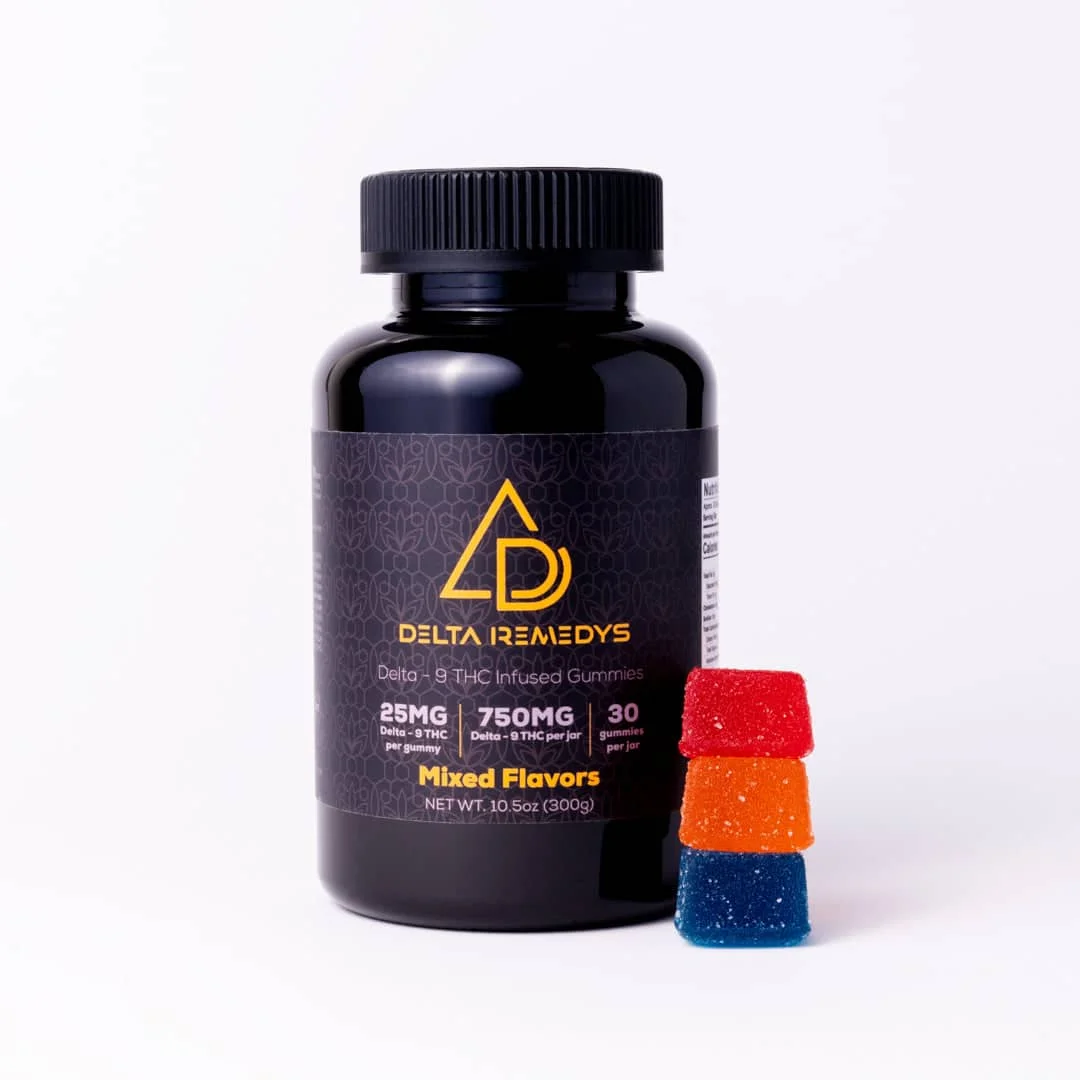
The Delta 9 market continues to expand, driven by new product innovations and increased consumer demand. Edibles, tinctures, vapes, and flower products are now more accessible and lab-tested for safety and potency. As public confidence in Delta 9 grows, market innovations will likely focus on precise dosing, improved delivery methods, and enhanced consumer experience.
Challenges and Considerations
Despite progress, challenges remain. Legal inconsistencies, potential side effects, and misinformation about Delta 9 can impact consumer safety and market growth. Addressing these challenges through research, education, and regulatory oversight is critical to ensure Delta 9’s safe and responsible use.
Future Trends in Delta 9 Use
Future trends may include wider medical adoption, innovative product formulations, and clearer federal and state regulations. Public awareness campaigns and scientific studies will likely influence perception, acceptance, and safe usage guidelines. Delta 9 is expected to maintain a central role in the expanding cannabinoid industry.
Consumer Awareness and Responsibility
Educated consumers will play a key role in shaping the future of Delta 9. Understanding effects, dosage, legal status, and safety practices ensures responsible use. Awareness empowers consumers to make informed decisions, supporting both personal wellness and a sustainable Delta 9 market.
Conclusion
The future of Delta 9 is promising, driven by research, policy evolution, and changing public perception. Continued scientific studies, legal clarity, and consumer education will enhance safe and responsible use. Delta 9 is likely to remain a pivotal cannabinoid, influencing medicine, wellness, and recreational cannabis markets for years to come.