
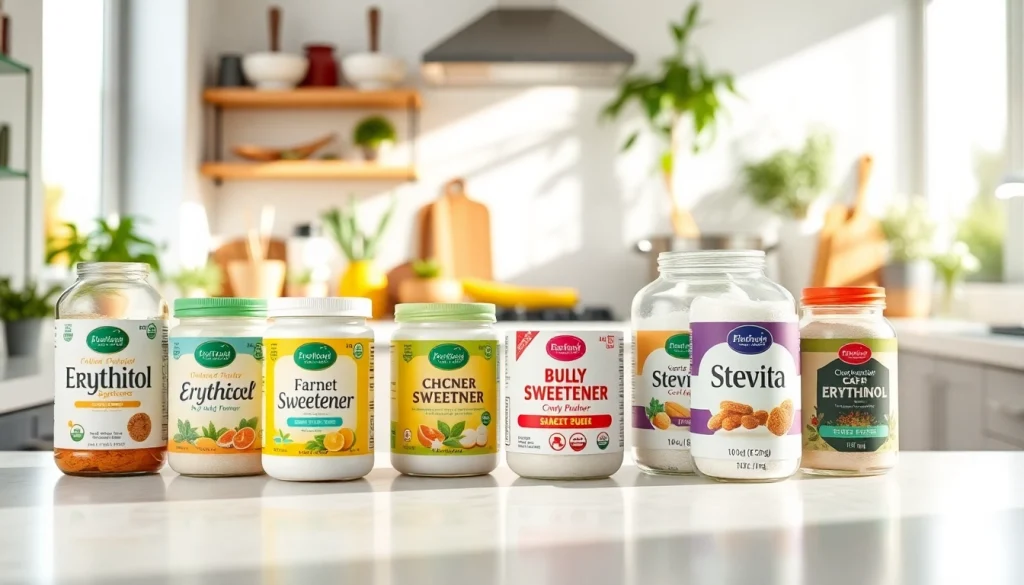
What is Bulk Sweetener?
Definition and Characteristics
Bulk sweeteners are a category of sweetening agents that offer sweetness similar to sugar but with significantly lower caloric content. Often referred to as sugar alcohols or polyols, these compounds retain moisture and provide volume and texture, making them ideal substitutes in various culinary applications. They are typically found in sugar-free and reduced-calorie products, aiming to satisfy sweet cravings without the extensive calorie load associated with traditional sugars. The bulk sweetener category includes ingredients like erythritol, isomalt, and maltitol, each with unique characteristics and uses in food formulations.
Common Types of Bulk Sweeteners
Several distinct types of bulk sweeteners cater to diverse dietary needs and preferences:
- Erythritol: This sugar alcohol is approximately 70% as sweet as sugar, has negligible calories, and does not raise blood sugar levels, making it popular among diabetics.
- Isomalt: Derived from beet sugar, isomalt offers a similar texture to sugar with lower calories and is often used in sugar-free candies and chocolates.
- Maltitol: This sugar alcohol provides around 90% of sugar’s sweetness and is often used in sugar-free products, however, it may cause digestive issues if consumed in excess.
- Tagatose: A rare sugar with about 92% sweetness compared to sugar and only 1.5 calories per gram, tagatose also has a low glycemic index, making it suitable for diabetic diets.
Suitability for Dietary Needs
Bulk sweeteners serve a variety of dietary needs, particularly for individuals looking to reduce their sugar intake. They are suitable for:
- Weight Management: Given their lower caloric content, they can be used in weight-loss programs without sacrificing sweetness.
- Diabetes Management: Many bulk sweeteners have little to no impact on blood sugar levels, making them safe options for diabetics.
- Keto Diets: Their low carb count aligns well with ketogenic eating structures that restrict sugar intake.
Benefits of Using Bulk Sweetener
Lower Caloric Content
One of the most significant advantages of using bulk sweeteners is their lower caloric content compared to regular sugar. This makes them an attractive option for consumers aiming to lower their overall caloric intake while still enjoying sweet flavors. For instance, erythritol contains about 0.24 calories per gram, a stark contrast to sugar’s 4 calories per gram.
Dental Health Advantages
Unlike sugar, which is a major contributor to tooth decay, many bulk sweeteners do not ferment in the mouth, reducing the risk of cavities. Sugar alcohols are less likely to foster the bacterial growth associated with dental caries, thus promoting better oral health.
Impact on Blood Sugar Levels
Bulk sweeteners generally have a minimal effect on insulin response and blood glucose levels, making them particularly useful for individuals with insulin resistance or diabetes. Options like erythritol and isomalt do not spike blood sugar and are often recommended by dietitians for their safety in managing these conditions.
How to Use Bulk Sweetener in Recipes
Baking and Cooking Substitutions
When using bulk sweeteners in baking and cooking, it’s essential to understand how they interact differently with ingredients compared to traditional sugar. For example, while sugar provides structure and moisture retention in baked goods, some bulk sweeteners may not. A general rule of thumb is to substitute bulk sweeteners at a ratio of 1:1 or based on sweetening power. Adjustments may be necessary for moisture content and rising agents.
In Beverages and Smoothies
Bulk sweeteners can easily be added to drinks and smoothies for a calorie-friendly alternative to sugar. Such sweeteners dissolve well in liquids, making them a great addition to a variety of beverages, from teas to protein shakes. Experimenting with flavors and sweetness can help tailor drinks to individual preferences.
Portioning and Measurement Tips
When measuring bulk sweeteners, it is generally best to use weight instead of volume for greater accuracy. This is particularly important in baking, as the density can vary significantly from one type of sweetener to another. Utilize sensitivity scales to ensure proper quantities are used in recipes, especially when substituting for conventional sugars.
Potential Drawbacks of Bulk Sweetener
Digestive Issues to Consider
While bulk sweeteners offer numerous benefits, they can lead to digestive discomfort in some individuals, particularly in large quantities. Because they are incompletely absorbed by the body, they can result in bloating, gas, or diarrhea when consumed excessively, especially for those sensitive to certain sugar alcohols.
Comparative Cost Analysis
The cost of bulk sweeteners can be higher than that of conventional sugar, particularly for premium or organic varieties. This can be a consideration for bulk purchasers aiming to balance quality and budget. Despite their higher cost, the health benefits may justify the investment for many consumers.
Possible Taste Differences
Some bulk sweeteners have a different taste profile compared to sugar, which could be a drawback for picky eaters or those unfamiliar with sugar substitutes. Certain sweeteners may have an aftertaste that can be unappealing. Experimenting with various brands and types can help individuals find the options that best suit their palate.
Frequently Asked Questions About Bulk Sweetener
What is a bulk sweetener?
Bulk sweeteners are sugar alcohols or polyols that offer sweetness similar to sugar without the calories, such as erythritol and isomalt.
How does bulk sweetener differ from intense sweeteners?
Intense sweeteners are significantly sweeter and used in smaller amounts, while bulk sweeteners also provide volume and texture along with sweetness.
Can bulk sweetener be used in baking?
Yes, bulk sweeteners can replace sugar in many baking recipes, though adjustments may be necessary for moisture and rising properties.
Are bulk sweeteners safe for diabetics?
Many bulk sweeteners have minimal effects on blood sugar, making them a safe alternative for diabetics when used moderately.
What are the best ways to measure bulk sweeteners?
For accuracy, weigh sweeteners using a kitchen scale. However, volume can also be estimated with standard cups or spoons for convenience.