Understanding Shower Screen Door Types
When it comes to selecting the perfect shower screen door for your bathroom, understanding the different types available is essential. Each type offers unique benefits and aesthetic advantages that can enhance your bathroom's continuity and design. This section will explore the most popular shower screen door types: frameless, framed, and bi-fold versus sliding options.
Frameless Shower Screen Door Benefits
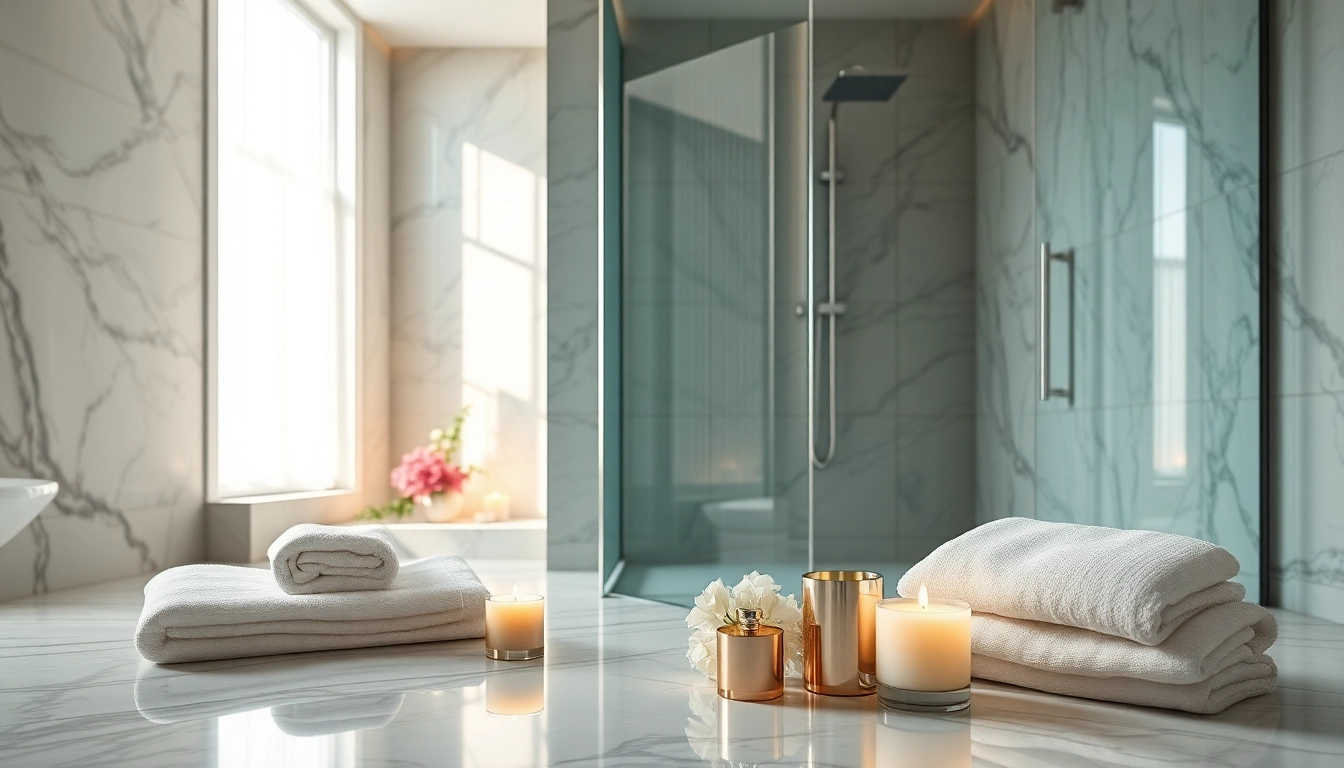
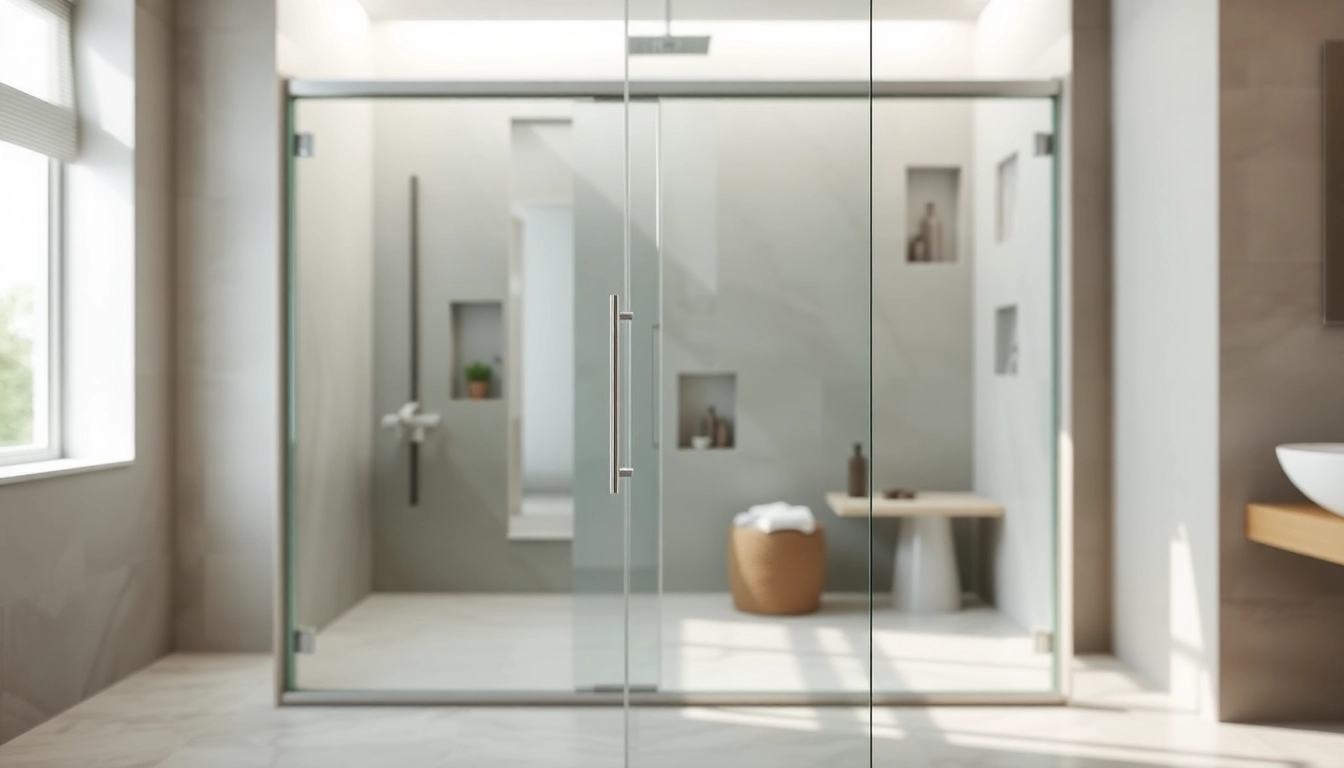
Frameless shower screen doors are increasingly becoming a popular choice for modern bathrooms. One of the most significant benefits of frameless designs is their minimalistic look, which creates a spacious feel by eliminating bulky frames. The lack of frame allows for uninterrupted views of your beautifully tiled walls or luxurious bathtubs, enhancing the overall aesthetic appeal of the space.
Additionally, frameless doors are typically constructed from tempered glass, which is more durable and stronger than standard glass. This ensures that your shower screen door not only looks great but will stand up to the rigors of daily use. Cleaning is also made easier, as these doors have fewer nooks and crannies compared to framed models.
Framed Shower Screen Door Design Considerations
While framed shower screen doors have fallen out of favor compared to their frameless counterparts, they still offer several advantages. The frames provide additional support, which can be beneficial in certain bathroom layouts, especially if you prefer a more traditional aesthetic or have specific structural requirements.
When considering framed shower doors, design considerations include various aesthetics, such as finishes (chrome, brushed nickel, or bronze) and styles (sliding, hinged, etc.). Using the right materials and finishes can complement the existing decor of the bathroom, bringing together various decor elements seamlessly.
Bi-Fold vs. Sliding Shower Screen Door Options
Choosing between bi-fold and sliding shower screen door options depends largely on your space constraints and personal preference. Bi-fold doors fold inwards, making them a great solution for smaller bathrooms where space is at a premium. These doors offer a stylish look while maximizing available space, allowing for easier access.
On the other hand, sliding shower screen doors glide smoothly along a track, providing a more contemporary look without requiring any extra space when opened. This option is fantastic for larger bathrooms or those with a more modern flair, creating an unobstructed view and offering seamless access.
Material Choices for Shower Screen Door
The choice of materials for a shower screen door contributes significantly to its appearance, functionality, and maintenance requirements. This section will discuss different glass types, frame materials, and eco-friendly options that you may consider for your bathroom renovation.
Glass Types: Tempered vs. Laminated
Glass is the primary material used in shower screen doors, and it typically comes in two types: tempered glass and laminated glass. Tempered glass is heated and cooled rapidly, increasing its strength and making it less likely to shatter upon impact. This safety factor is crucial in enclosed spaces like bathrooms, providing peace of mind for households with children or pets.
Laminated glass, on the other hand, consists of two layers of glass with a plastic interlayer, which holds the glass together even when broken. This type adds an extra layer of safety and soundproofing, although it can be less resistant to scratches than tempered glass. Ultimately, your choice between these glass types will depend on your specific safety needs and aesthetic preferences.
Frame Material: Aluminum vs. Stainless Steel
Regarding frame materials, aluminum and stainless steel are popular options for shower screen doors due to durability, aesthetics, and resistance to corrosion. Aluminum frames are lightweight, making installation easier, and are available in various finishes that complement any design style.
Stainless steel frames, while typically heavier, offer superior strength and a modern, sophisticated appearance. They are resistant to rust and tarnishing, making them ideal for long-term use, especially in humid bathroom environments. Both materials have their pros and cons; your choice will depend on your bathroom's design and overall feel.
Choosing Eco-Friendly Shower Screen Door Options
As sustainability becomes more vital in our purchasing decisions, it's essential to consider eco-friendly options when choosing your shower screen door. Many manufacturers now offer shower doors made from recycled materials or environmentally-friendly coatings that reduce the need for harsh cleaning chemicals.
Opting for energy-efficient production methods also contributes to eco-friendly practices. Look for certifications that indicate a product meets environmental standards, ensuring that your choice positively impacts the planet. Choosing eco-friendly options can also often lead to lower maintenance costs, making them a practical investment in addition to being environmentally responsible.
Installation Guide for Shower Screen Door
Installing a shower screen door can be a rewarding DIY project if you are handy. However, proper preparation and knowledge of the process are crucial. This section outlines essential steps for a successful installation, common mistakes, and tips for achieving a perfect fit.
Preparing Your Bathroom Space
Before starting the installation, preparation is key. Begin by measuring the space where you intend to install the shower screen door, accounting for all dimensions, such as height and width. Ensure that the walls are true and even, as uneven surfaces can lead to a problematic installation.
Additionally, gather all the required tools and materials, including a level, drill, silicone sealant, hinges (if needed), and a screwdriver. Having everything in place before starting the installation will prevent interruptions and ensure a smooth workflow.
Step-by-Step Shower Screen Door Installation Process
- Mark and Measure: Start by marking the drill holes according to the door’s measurements and attaching the hinges or tracks as necessary.
- Install the Frame (if applicable): For framed doors, assemble the frame first by connecting the pieces according to the manufacturer’s instructions.
- Hang the Door: Lift and hang the shower door on the installed frame or track, ensuring it swings or slides smoothly.
- Seal Edges: Apply silicone sealant where necessary to prevent water leakage, paying close attention to the base and corners.
- Final Adjustments: Check the level of the door, making adjustments as needed to ensure it operates freely.
Common Installation Mistakes to Avoid
Several common mistakes can occur during installation, leading to frustration and additional costs. One of the most prevalent errors is not taking accurate measurements, which can result in a door that doesn’t fit properly. Additionally, failing to account for plumbing fixtures when marking your door can lead to a misaligned installation.
Another frequent mistake is neglecting to use a level, which is essential for ensuring the door swings or slides correctly. Lastly, rushing through the sealing process can lead to leaks; take the time to apply appropriate amounts of silicone and allow for proper curing time before using the shower.
Maintenance Tips for Shower Screen Door
Maintaining your shower screen door is essential for preserving its beauty and functionality, as well as prolonging its lifespan. This section highlights the best practices for keeping your shower screen door looking great and functioning well.
Regular Cleaning Routines
A regular cleaning routine is vital for preventing soap scum build-up and keeping your glass looking clear and shiny. Use a mixture of equal parts white vinegar and water to clean the glass, or opt for a specialized glass cleaner. Avoid abrasive materials that can scratch the surface, and dry the door with a microfiber cloth after each cleaning to prevent streaks.
Preventing Water Stains on Glass
Preventing water stains on your shower screen door is key to maintaining clarity and aesthetics. Use a squeegee after each shower to remove excess water and prevent mineral deposits from forming. Additionally, consider installing a water-softening system if hard water is an issue in your area. Protective sprays specifically designed for use on glass can also be applied to create a barrier against stains and buildup.
When to Replace Your Shower Screen Door
Knowing when to replace your shower screen door can save you money and stress. Signs of wear, such as cracks, chips, or persistent leaks even after repairs, warrant a replacement. Additionally, if you notice excessive scratching or staining that cleaning cannot resolve, it may be time for a new door. Updating your shower screen door can also enhance bathroom aesthetics and improve functionality.
FAQs About Shower Screen Door
What materials are best for a shower screen door?
Glass is the ideal material for aesthetic appeal and ease of maintenance; tempered glass is recommended for its durability.
How do I clean my shower screen door?
Use a vinegar-water mixture or a gentle glass cleaner. Avoid abrasive materials to prevent scratches.
Can I install a shower screen door myself?
Yes, with proper tools and adherence to the manufacturer's instructions, you can successfully install your door.
What is the difference between a sliding and bi-fold shower screen door?
Sliding doors glide along a track, while bi-fold doors fold inwards, saving space in compact bathrooms.
How do I prevent water stains on a shower screen door?
Regular cleaning, using water-softening systems, and applying protective sprays can help prevent stains.