Understanding the Retro Appliance Renaissance
The resurgence of the retro appliance trend has taken the world by storm, captivating homeowners with a blend of nostalgia and modern functionality. As we gravitate toward designs echoing past eras, especially the vivid styles of the 1950s and 1960s, these vintage-inspired yet highly functional appliances are more than just functional units; they are conversation starters. Retro appliances encapsulate a unique aesthetic that can transform any kitchen into a vivid, cheerful space. If you're considering a shift in your culinary environment, integrating a retro appliance might be the perfect decision. Let's delve deeper into what defines these charming creations.
What Defines a Retro Appliance?
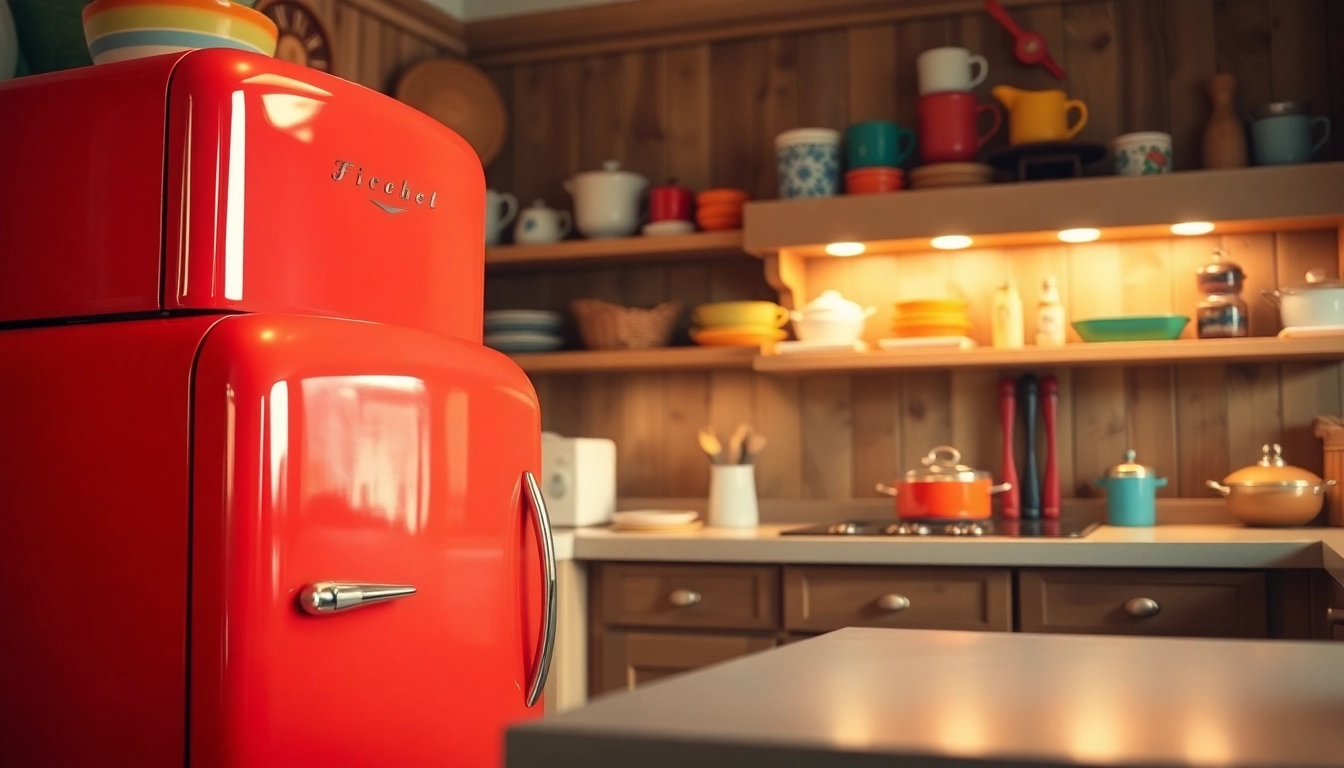
At its core, a retro appliance is characterized by its distinctive vintage design, often evoking a sense of nostalgia. These appliances draw inspiration from past decades, incorporating colorful palettes, rounded edges, and sleek lines that reflect the aesthetics of yesteryears. Retro appliances range from refrigerators and stoves to smaller kitchen gadgets like toasters and blenders, all designed to offer a blend of style and utility that is both eye-catching and functional.
Historical Significance and Its Influence on Design
The historical significance of retro appliances lies in their ability to capture the spirit of the times they represent. The mid-20th century was a pivotal era where domestic appliances began transitioning from utilitarian to stylish elements within the home. Influenced by post-war optimism, designs featured bright colors and playful forms, seeking to inject joy into everyday tasks. These appliances remind us not just of their functional roles, but also the cultural movements and artistic expressions during their time.
Modern Innovations in Retro Style
While retro appliances celebrate the charm of the past, they are often equipped with modern innovations to enhance performance and energy efficiency. Manufacturers have succeeded in blending vintage designs with contemporary technology, creating units that are not just aesthetically pleasing but also environmentally friendly. Features like smart connectivity, energy-efficient components, and advanced cooling technologies ensure that these appliances remain relevant in today’s eco-conscious market.
Choosing the Right Retro Appliance for Your Kitchen
Choosing the right retro appliance is essential for enhancing both your kitchen's functionality and aesthetics. Here are key factors to guide your decision-making process.
Factors to Consider Before Purchasing
Before committing to a purchase, consider the following factors: the size of your kitchen, your cooking habits, and your aesthetic preferences. It's essential to measure your kitchen space to ensure that the appliance you choose fits comfortably. Additionally, consider whether you're an occasional cook or someone who utilizes their kitchen daily—this will affect the type of appliance and features you opt for.
Matching Style and Functionality
When selecting a retro appliance, striking the right balance between style and functionality is paramount. An appliance may boast a charming design, but it must also fulfill your cooking needs. For example, if you prefer a vintage aesthetic, a brightly colored refrigerator with modern cooling technology could be ideal. Look for appliances that offer advanced features without compromising the classic appearance.
Color Schemes and Personal Preferences
The color scheme of your kitchen should heavily influence the color of your retro appliance. Popular colors from the retro palette include mint green, cherry red, and buttery yellow, which can add vibrancy to your space. Personal preference plays a significant role—choose colors that resonate with you and harmonize with your overall kitchen design. Consider how your appliance will coordinate with cabinetry, countertops, and wall colors.
Installation Tips and Best Practices
Installing a retro appliance requires careful consideration to optimize functionality and aesthetic appeal. Here are best practices to ensure a seamless installation process.
Preparing Your Space for Retro Appliances
Preparation is key to a successful installation. Start by clearing out the space where the appliance will be placed, ensuring there is enough room for maneuvering. Verify that all measurements are accurate to prevent compatibility issues. It’s also wise to check the electrical outlets and plumbing connections to ensure they meet the appliance's requirements.
Safety Considerations When Installing
Safety is crucial during installation. Always follow the manufacturer’s installation guidelines, ensuring the appliance is securely connected. If your appliance requires plumbing or electrical work, it’s best to hire professionals to avoid any hazards. Additionally, take care to safeguard your flooring and nearby furniture from potential damage during the installation process.
Expert Tricks for a Seamless Look
For the best visual impact, consider coordinating different retro elements in your kitchen. This may include matching the appliance with cabinetry hardware or selecting complementary color schemes. Additionally, consider integrating your retro appliance into custom cabinetry or surrounds for a built-in appearance that enhances its vintage charm while maintaining a cohesive look.
Maintenance and Care for Your Retro Appliance
To ensure that your retro appliance continues to shine and perform well, regular maintenance and care are essential. Follow these guidelines for optimal upkeep.
Common Issues and Troubleshooting
Like any appliance, retro units may experience issues over time. Common problems include temperature fluctuations in refrigerators or malfunctioning ovens. Always consult the user manual for troubleshooting tips before contacting customer service. Keeping the appliances clean and properly maintained can prevent many problems from arising.
Cleaning Techniques to Preserve Finish
To preserve the shiny finish of your retro appliance, use non-abrasive cleaners and soft cloths. Regularly wipe down surfaces with a damp cloth to remove dust and grime. Be careful with cleaning solutions, avoiding harsh chemicals that could damage finishes or paint. An occasional wax application can also protect surfaces and enhance their luster.
When to Seek Professional Help
When appliances begin to show persistent problems that you can't remedy through basic troubleshooting, it may be time to call in a professional. This is particularly important if your appliance shows electrical issues, leaks, or requires parts replacement. Expert technicians can diagnose and resolve issues swiftly, ensuring your appliance remains as good as new.
FAQs about Retro Appliances
What are the benefits of using retro appliances?
Retro appliances enhance kitchen aesthetics, offering unique designs that bring charm and character. They blend modern functionality with nostalgic appeal, often featuring advanced technology for efficient performance.
Are retro appliances energy-efficient?
Many retro appliances incorporate modern energy-efficient technology while retaining vintage styles. Always check the energy ratings to ensure optimal efficiency in your kitchen appliances.
How do I choose the right color for my retro appliance?
Select a color that harmonizes with your kitchen’s overall decor. Popular choices include mint green, red, or pastel colors, all of which complement contemporary kitchen designs beautifully.
Can I find parts for older retro appliances?
While some vintage retro appliances may have limited parts availability, many brands produce replacement parts. Check with the manufacturer or specialty suppliers for hard-to-find parts.
What styles are currently trending in retro appliances?
Current trends feature pastel colors, chrome accents, and rounded designs. There’s a steady preference for appliances that blend modern functionality with classic styles, fusing innovation and nostalgia.