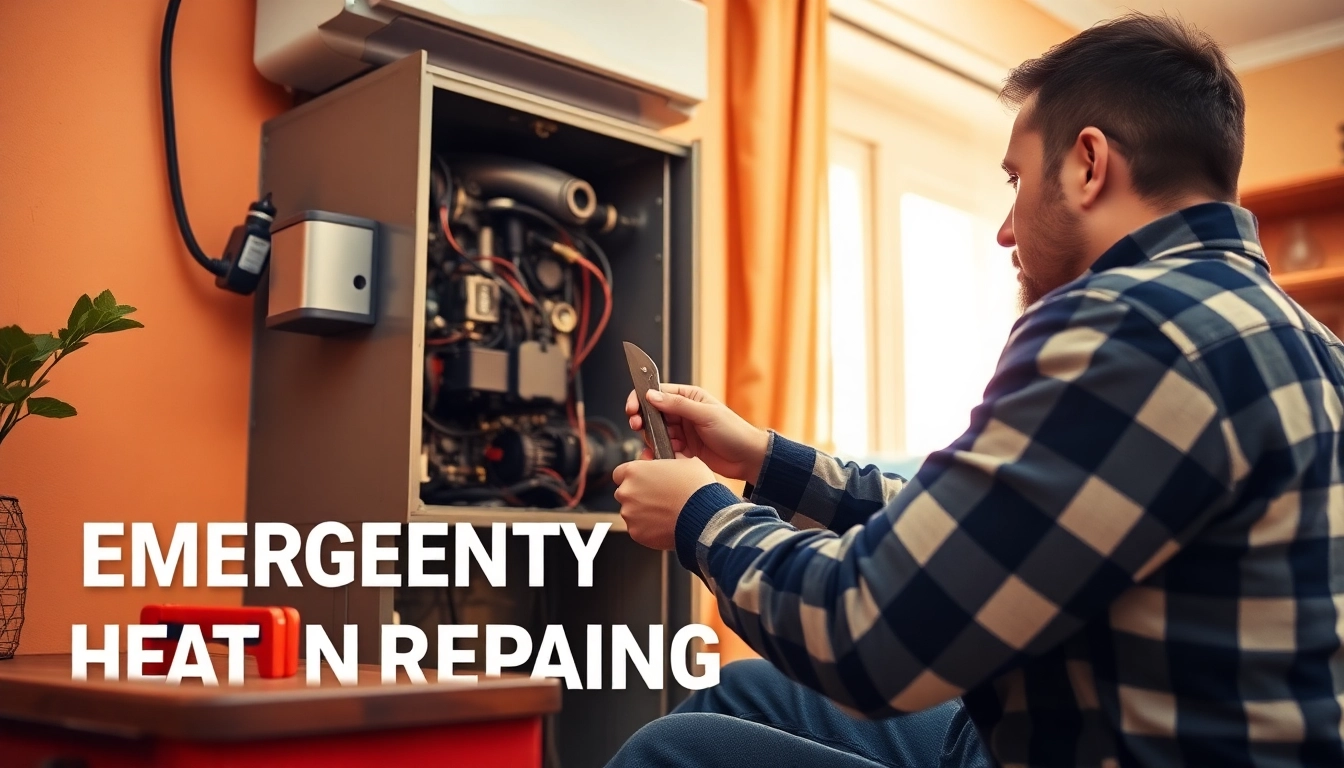
Understanding Emergency Heating Repair
When the chill of winter sets in, there’s little more unsettling than a malfunctioning heating system. Emergency heating repair is essential for ensuring that your home remains a safe and comfortable haven during the coldest months. Understanding what constitutes an emergency situation, recognizing the signs that you need immediate assistance, and knowing how to respond can make a significant difference in maintaining your home's warmth and safety. This guide covers everything you need to know about emergency heating repair.
What Constitutes Emergency Heating Repair?
Emergency heating repair is defined as urgent repair services required when your heating system malfunctions, and failure to address the issue could lead to unsafe living conditions. Common reasons for an emergency heating repair include a complete breakdown of your heating system, gas leaks, unusual noises that indicate a serious problem, or extreme temperature drops that leave your home dangerously cold. The severity of the situation often dictates whether it falls under the "emergency" category.
Signs You Need Emergency Heating Repair
- No heat: If your heating system is completely unresponsive, it may indicate a serious problem.
- Unusual noises: Screeching, banging, or hissing noises can be signs of mechanical failure or gas leaks.
- Foul smell: A burning smell or a gas odor can indicate a dangerous situation requiring immediate action.
- Inconsistent temperatures: If some rooms are warm while others are cold, it could signal ductwork issues or thermostat problems.
- Frequent cycling: If your system turns on and off rapidly, it indicates potential mechanical issues.
Common Heating Issues Requiring Quick Attention
Some of the most prevalent heating issues that necessitate emergency repair include:
- Thermostat Failures: A malfunctioning thermostat can prevent your heating system from accurately regulating temperature.
- Clogged Filters: A blocked air filter can restrict airflow, making your heating system work harder, resulting in overheating or shutdown.
- Furnace Issues: Problems such as ignition failure or overheating can lead to complete system shutdown.
- Heat Pump Problems: Refrigerant leaks or compressor failures may impede the heat pump's ability to function effectively.
- Boiler Failures: System leaks or pressure problems can lead to the boiler being unable to provide heat.
The Importance of Timely Heating Repairs
Addressing heating issues promptly is critical for many reasons ranging from comfort to safety and financial implications. Ignoring the signs of a malfunctioning system can have lasting repercussions.
Impact on Home Comfort
A functional heating system is vital to maintaining a comfortable home environment. When temperatures drop and your heating system fails, your living space can quickly become uninhabitable. Consistent and proper maintenance ensures your home remains cozy during harsh winter months, enhancing the quality of life for you and your family.
Health Risks Associated with Delay
Ignoring heating repairs can pose serious health risks. Prolonged exposure to cold temperatures can lead to hypothermia, particularly for vulnerable populations such as the elderly and young children. Additionally, if a heating system malfunctions due to gas leakage, the risk of carbon monoxide poisoning increases, making immediate repair absolutely vital.
Cost Implications of Ignoring Repairs
Delaying repairs can lead to more significant damage to your heating system, resulting in more costly repairs down the line. Moreover, an inefficient heating system can raise energy bills as it works harder to maintain desired temperatures. Investing in timely repairs not only conserves your heating system’s lifespan but also results in lower utility costs overall.
How to Choose a Heating Repair Service
Choosing the right heating repair service is crucial for ensuring quality repairs and peace of mind. With numerous options available, being informed can guide you in selecting a service that meets your needs efficiently.
Key Qualities to Look For
When selecting a heating repair service, consider the following qualities:
- Experience: Look for companies with a proven track record in handling emergency heating repairs. A wealth of experience often translates to better service.
- Certifications: Ensure the technicians are certified and trained to work on various heating systems.
- Availability: A reliable service should offer 24/7 emergency support for situations that require immediate attention.
- Transparent Pricing: A trustworthy repair service should provide clear and up-front pricing without hidden fees.
The Role of Customer Reviews
Customer reviews offer valuable insights into the quality of service provided by a heating repair company. Online platforms and social media can give you a glimpse into real customer experiences, helping you gauge the company’s reliability and effectiveness. Pay attention to feedback regarding punctuality, workmanship, and customer service.
Understanding Service Fees and Contracts
Before choosing a repair service, it’s essential to understand their fee structure and contractual obligations. Some companies may charge a premium for emergency services, while others might have a flat rate. Clarifying these aspects beforehand can prevent surprises when the bill arrives after service completion.
Preparation for Emergency Repairs
Being prepared for potential heating emergencies can mitigate stress during critical situations. There are several steps homeowners can take to ready themselves before help arrives.
Steps to Take Before Help Arrives
- Assess the Situation: Identify any visible signs of issues and document them to provide information when the technician arrives.
- Turn Off the System: If it’s safe to do so, turn off your heating system to prevent further damage.
- Open Windows: If there’s a gas leak, venting the area can help reduce the risk of carbon monoxide accumulation.
Safety Measures During Heating Issues
Taking proper safety measures can protect your household while waiting for emergency repairs. Here’s what to do:
- Evacuate if Necessary: If you smell gas or experience any signs of a leak, leave your home immediately and call authorities.
- Stay Warm Safely: Use blankets and wear warm clothing to maintain body heat while waiting for repairs.
- Do Not Use a Stove: Avoid using gas stoves or ovens for heating, as this can increase the risk of carbon monoxide poisoning.
Essential Tools and Equipment to Have on Hand
Being equipped with certain tools can help you manage minor issues while waiting for professional services. Consider keeping the following items handy:
- Flashlight: In case of power outages, a flashlight will help navigate safely.
- Basic Tool Kit: Having basic hand tools can assist in minor troubleshooting.
- Carbon Monoxide Detector: This device alerts you if carbon monoxide is present, providing an additional level of safety.
FAQs About Emergency Heating Repair
How quickly can emergency heating repair services arrive?
Most emergency heating repair services aim to arrive within a few hours, depending on the situation and their current workload.
What should I do if my heating system fails?
Immediately check your thermostat settings and power supply. If the issue persists, contact an emergency repair professional for assistance.
Are emergency heating repairs more expensive?
Yes, emergency heating repairs typically incur a premium due to the urgency of the service and potential after-hours labor costs.
Can I attempt to fix heating issues myself?
It's not advisable to perform DIY repairs on complex systems; professional help ensures safety and correct fixes.
What types of heating systems need emergency repair?
Heating systems such as furnaces, heat pumps, and boilers can all require emergency repair when experiencing malfunctions.