Understanding Retro Appliance Trends
Retro appliances have seen a remarkable resurgence in popularity, capturing the hearts of those who cherish nostalgia and vintage aesthetics. These charming devices not only add a unique touch to kitchens and living spaces but also speak to a deeper appreciation for design history. With a variety of styles and functionalities available, it's essential to understand the factors propelling the rise of retro appliances. To delve into this captivating world, consider exploring the various aspects of retro appliance design, which can transform your culinary space into a lively homage to the past. Incorporating a Retro Appliance can enhance your home’s character while providing functioning utility.
History of Retro Appliance Design
The term 'retro' refers to a style that is characteristic of the past, harking back to particular eras. Retro appliances often reflect design elements from the 1920s to the 1970s, where vibrant colors, sleek lines, and innovative shapes took center stage in home design. Appliances like refrigerators, stoves, and mixers were manufactured with a focus on style as well as functionality. The classic designs of these appliances encapsulate the post-war optimism and exuberance of the mid-20th century, appealing to the sense of nostalgia found in many homeowners today.
As modern design trends focused on minimalism and functionality, retro designs became favored for their charm and whimsy. Brands began reintroducing these nostalgic designs, often with updated efficiency standards, marrying the past with the present. Understanding the historical context allows consumers to make informed decisions regarding their purchases and fosters a deeper appreciation for the art of appliance design.
Popular Colors and Styles
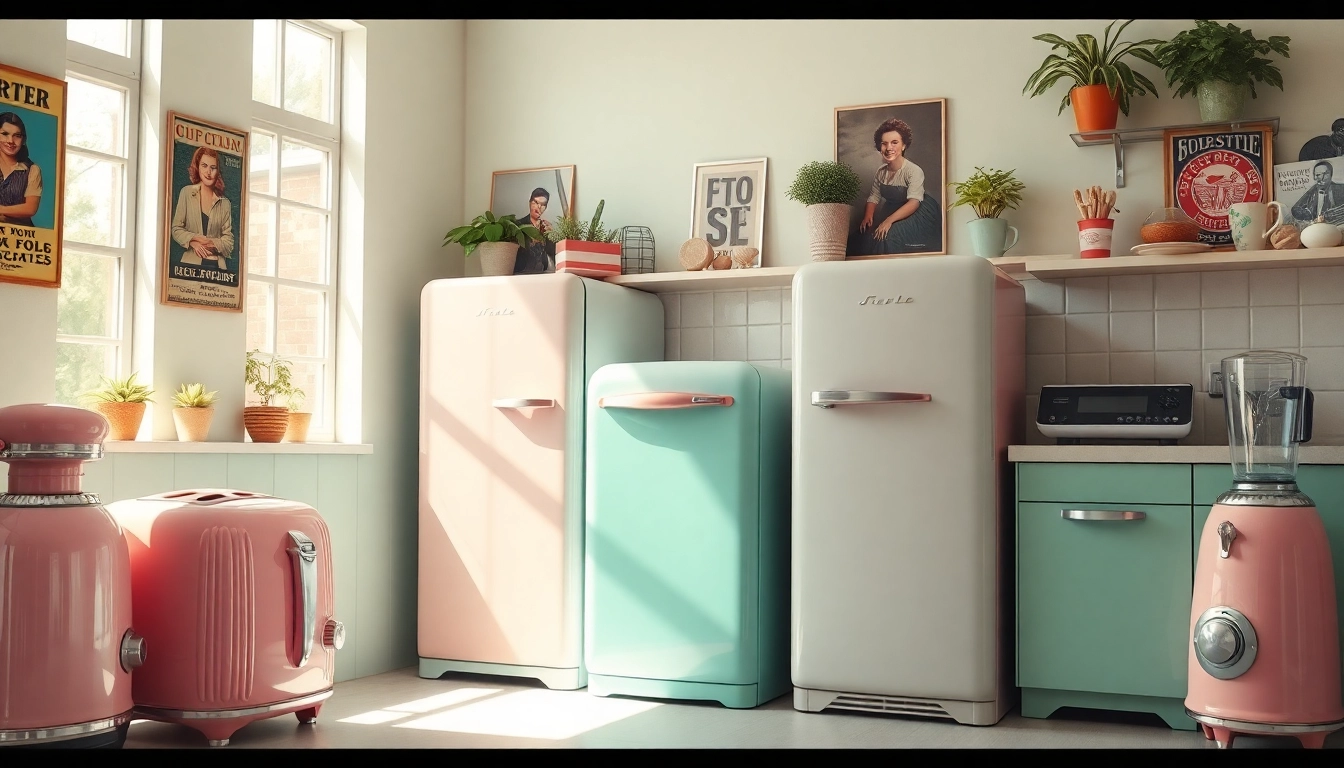
Color plays a significant role in the allure of retro appliances. Classic colors such as mint green, pale blue, and candy apple red feature prominently in the retro design palette. These colors evoke memories of 1950s diners and mid-century modern aesthetics, stimulating a sense of warmth and familiarity. Additionally, styles can vary significantly, from compact, rounded designs reminiscent of the 1940s to bold, angular structures characteristic of the 1960s and 70s.
The choice of color and style should reflect not just personal preferences but also the overall decor of the space in which they will reside. For example, pairing a bright red retro fridge with crisp, white cabinetry can create a striking focal point, while a pastel-colored appliance can offer softness against darker tones. Ultimately, selecting colors and styles should resonate with the homeowner's individual taste, turning functional appliances into artistic expressions.
Influence of Nostalgia in Home Décor
Nostalgia plays a crucial role in the resurgence of retro appliances in modern home décor. Often, these appliances encourage memories of family gatherings or simpler times, tying their value not just to functionality but to emotional significance as well. As society shifts toward valuing craftsmanship and stories behind products, consumers are drawn to items that represent their heritage or evoke cherished memories.
The blend of nostalgia with contemporary design principles serves to enhance the overall aesthetic appeal of spaces. Incorporating retro elements offers an opportunity for homeowners to curate environments that reflect their histories. Whether a homeowner chooses to utilize a retro appliance as a statement piece or as part of a larger theme, these items contribute to creating unique, individualized spaces that tell a story.
Choosing the Right Retro Appliance for Your Home
Selecting the perfect retro appliance involves a careful consideration of aesthetic preferences, functionality, and budget. By evaluating essential features, matching the appliance with existing décor, and setting a clear budget, homeowners can streamline their purchasing decision.
Essential Features to Consider
When shopping for retro appliances, functionality should not be sacrificed for style. Important features to evaluate include energy efficiency, capacity, and specific functions. For example, modern retro refrigerators come equipped with energy-efficient compressors and smart technology, making them suitable for today's environmentally-conscious consumers.
Furthermore, consider the dimensions of the appliance. Retro styles often include larger designs, which may not fit comfortably within small kitchens. It's vital to measure the intended space accurately to ensure that the appliance not only fits but also complements the kitchen workflow. Pay attention to interior features as well, such as adjustable shelves and temperature controls, which can greatly enhance usability.
Matching Retro Appliance with Existing Décor
One of the most invigorating aspects of furnishing a home with retro appliances is finding ways to harmoniously blend them with existing décor. Homeowners should assess their interior design style before making a decision. Vintage-themed kitchens may pair well with classic chrome finishes and pastel colors, while modern minimalistic spaces can utilize retro accents as bold contrasts.
Consider the overall aesthetic by analyzing the color palette of nearby cabinetry, countertops, and flooring. Use complementary colors and materials for cohesiveness; for example, pairing porcelain-coated appliances with wood accents can offer visual and textual balance. Ultimately, the goal should be to create a unified environment that showcases the retro appliance as a beloved centerpiece rather than an out-of-place addition.
Budgeting for Your Retro Appliance Investment
Investing in a retro appliance often entails a financial commitment, particularly when dealing with high-quality models. Establishing a clear budget is critical for steering purchasing decisions. Research price points across different outlets to understand market expectations, and don’t overlook the potential for sale seasons that may bring desired models within reach.
In addition to the initial purchase price, consider future costs associated with maintenance and energy efficiency. Some retro appliances come with specific maintenance needs or may require specialized parts, which can influence long-term ownership costs. Prioritize quality over quantity; a well-built retro appliance may serve you better and longer than a less expensive option, making it a more sensible investment in the long run.
Installation and Maintenance of Retro Appliance
Proper installation and maintenance are crucial to ensuring your retro appliance functions effectively and remains in excellent condition. It’s essential to understand the setup process and routines that will maximize the longevity of your investment.
Steps for Proper Installation
Installing a retro appliance often parallels traditional appliance installation processes, though it may carry specific considerations. Start by considering the appliance's electrical and plumbing needs if applicable—certain retro appliances may differ from modern designs. Ensure that the power supply matches the appliance requirements, preventing any electrical mishaps.
Following the manufacturer’s guidelines during installation ensures optimal performance. Securely connect all necessary components, and if working with gas appliances, following safety protocols is critical. Lastly, engaging a professional plumber or electrician for installation can alleviate concerns about potential issues, ensuring a course correction if needed.
Maintenance Tips for Retro Appliances
To keep your retro appliance in top-notch condition, adhere to a routine maintenance schedule. Regularly check for dust and grime buildup, particularly on exposed surfaces like chrome and colored finishes. Gentle cleaning agents that are free of abrasives are recommended to avoid damaging the appliance's aesthetic.
Moreover, ensure that mechanical and electrical systems undergo regular inspections. Some retro appliances might require calibration of components due to differences in technology, forming a prompt, proactive approach to maintenance. Scheduling periodic upkeep checks guarantees that your retro appliance continues to provide both utility and charm.
Common Issues and Troubleshooting
Even well-crafted retro appliances may face operational challenges. Common issues could involve cooling efficiency for refrigerators or heating inconsistencies for stoves. Developing a troubleshooting protocol gives homeowners the tools to diagnose and address minor setbacks independently.
Some potential solutions might involve checking power connections, examining thermostats, or reviewing settings. Consult the manufacturer’s manual for specific diagnostic approaches that cater to your appliance type. In instances where repairs are necessary, seek help from qualified professionals to ensure safe and effective resolutions.
Enhancing Functionality with Retro Appliance
Beyond aesthetics, retro appliances provide numerous opportunities for enhancing kitchen functionality. Manufacturers recognize the importance of merging style with modern demands, creating units that cater to both form and function.
Modern Features in Retro-Inspired Designs
Many retro appliances now incorporate cutting-edge technology, promoting energy efficiency and smart usage. Features such as digital thermostats, precise temperature controls, increased storage options, and even Wi-Fi connectivity have emerged in retro designs. These advancements make appliances not only practical but competitive in the modern market.
For example, some retro refrigerators now feature adjustable shelving and energy-saving settings that align perfectly with contemporary household needs. Adopting such technologies while retaining a vintage flair enables homeowners to embrace the best of both worlds.
Combining Style and Efficiency
Combining style and efficiency in kitchen design can be successfully achieved with retro appliances. Choose models that highlight energy efficiency ratings while still serving as eye-catching focal points. By selecting appliances that align with both aesthetic aspirations and operational efficacy, homeowners ensure that their kitchens thrive.
Consider incorporating retro designs that offer multi-function capabilities, such as ovens with built-in convection settings or refrigerators equipped with ice makers and water dispensers. These practicality-enhancing features can coexist beautifully with a nostalgic design, elevating the overall cooking experience.
Clever Storage Solutions for Small Spaces
Small spaces can benefit significantly from the clever storage solutions offered by some retro appliances. Designed with compact dimensions in mind, many retro models can maximize available space while providing full functionality. Look for stacked designs, undersized dishwashers, or corner appliances that can easily fit within limited areas.
Accessories matter as well; magnetic spice racks, wall-mounted organizers, and creative shelving units can augment storage capabilities without compromising on style. Thoughtful planning and design can transform a compact kitchen into a functional, stylish area that embodies both retro aesthetics and modern ease.
FAQs about Retro Appliance
What defines a Retro Appliance?
A retro appliance is characterized by its design aesthetic, typically reflecting styles from the 1920s to the 1970s, often featuring vibrant colors and vintage shapes that evoke nostalgia.
Are Retro Appliances energy efficient?
Many modern retro appliances are designed with energy efficiency in mind. They often feature updated technology that complies with current energy standards, making them eco-friendly choices.
How do I choose colors for my Retro Appliance?
Select colors that match your existing décor and reflect your personal style. Consider bold or pastel hues that resonate with mid-century themes for a cohesive look.
Where can I find replacement parts for Retro Appliances?
Replacement parts for retro appliances can typically be found through specialized retailers, authorized dealers, or online marketplaces, ensuring compatibility with your specific model.
Can I mix Retro Appliance styles in my kitchen?
Yes, mixing different retro appliance styles can create a unique and personalized aesthetic. Aim for harmonizing colors or design elements to maintain visual cohesion.